
ArticleUpdated: September 6, 2026
How to understand that the work is completed?
In short
Alexandra Tarnavskaya answers with a five-point checklist. The piece holds the chosen style, fits the deadline, the composition is resolved, the execution matches the skill you have today — and you stopped before you started reworking it in circles.

Skills Up School
Online school of drawing and CG
The curator of 2D graphics courses Alexandra Tarnavskaya says:
— I love it when students ask questions. Recently, a student asked me at a class how to understand that the work is finished. This is a very interesting topic, so I made my own checklist:
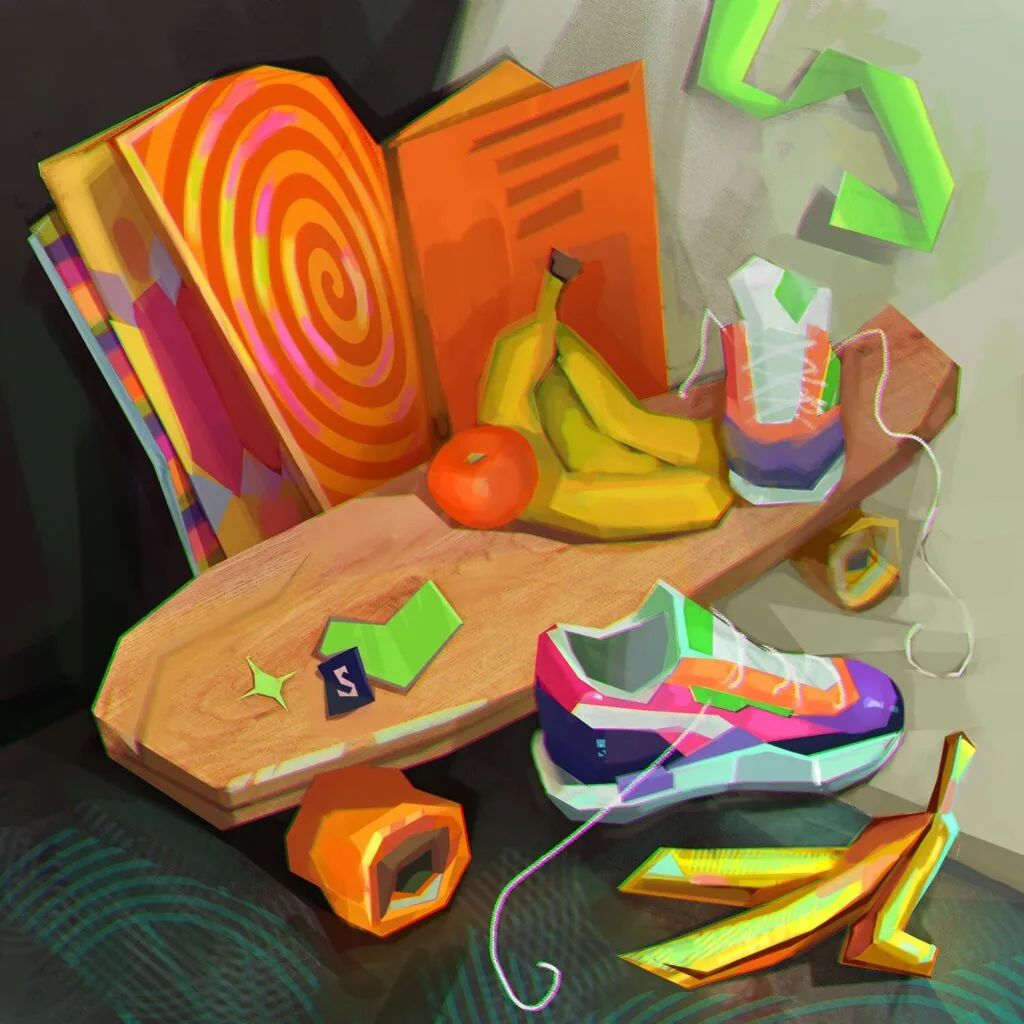
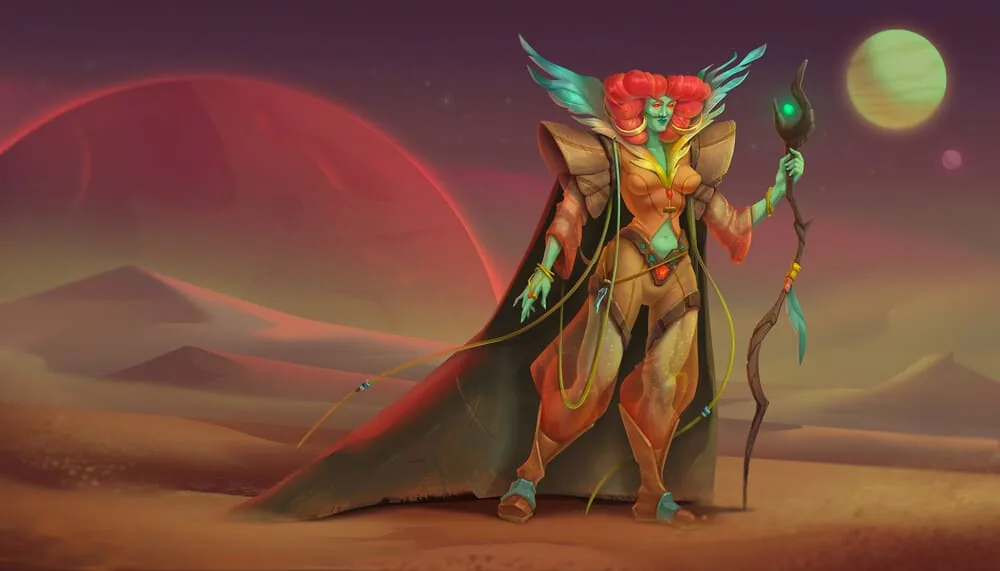
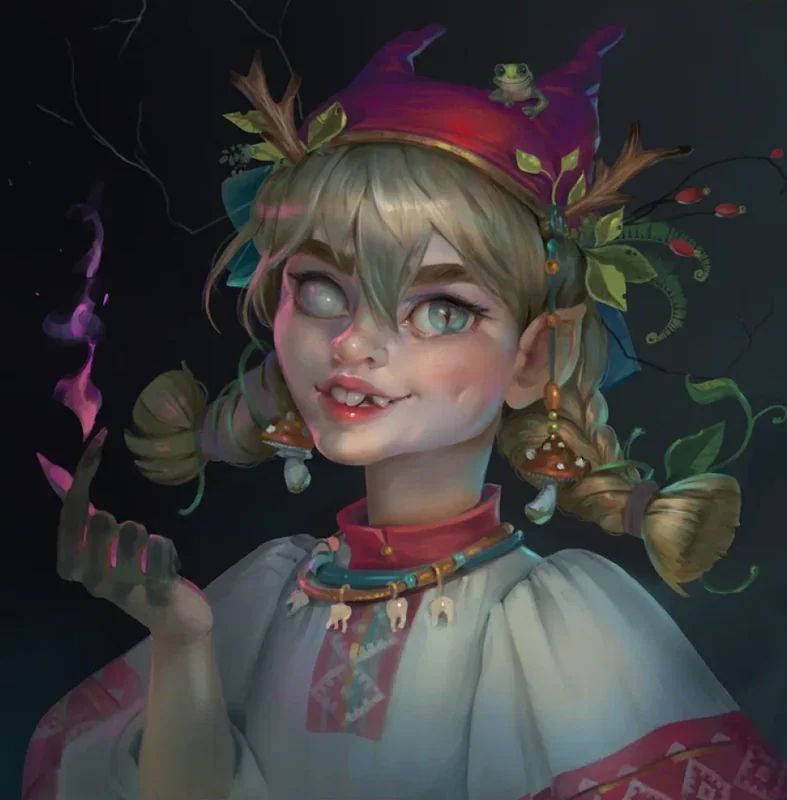
 Example of rendered character:

 Backgrounds (result):

 Background with character:

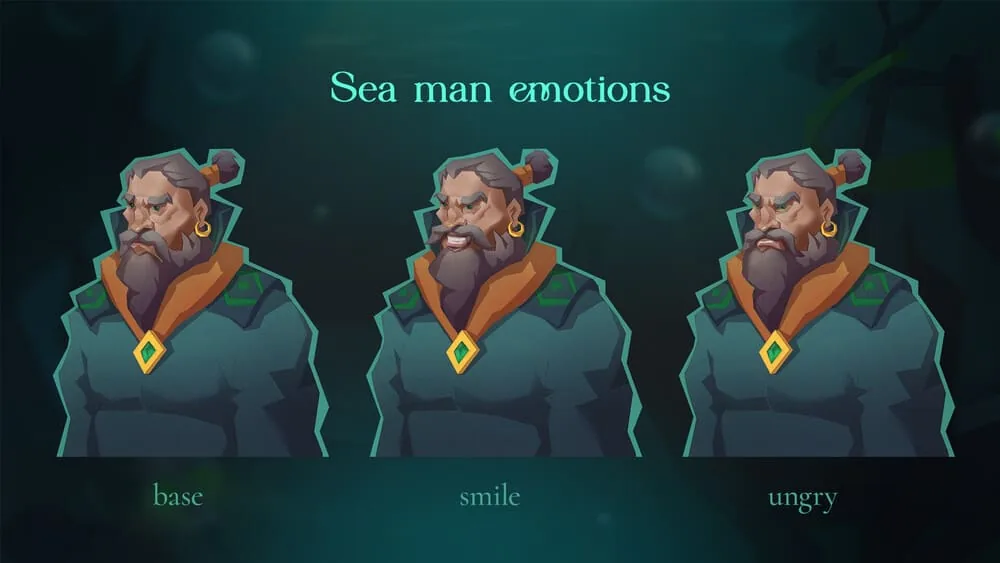
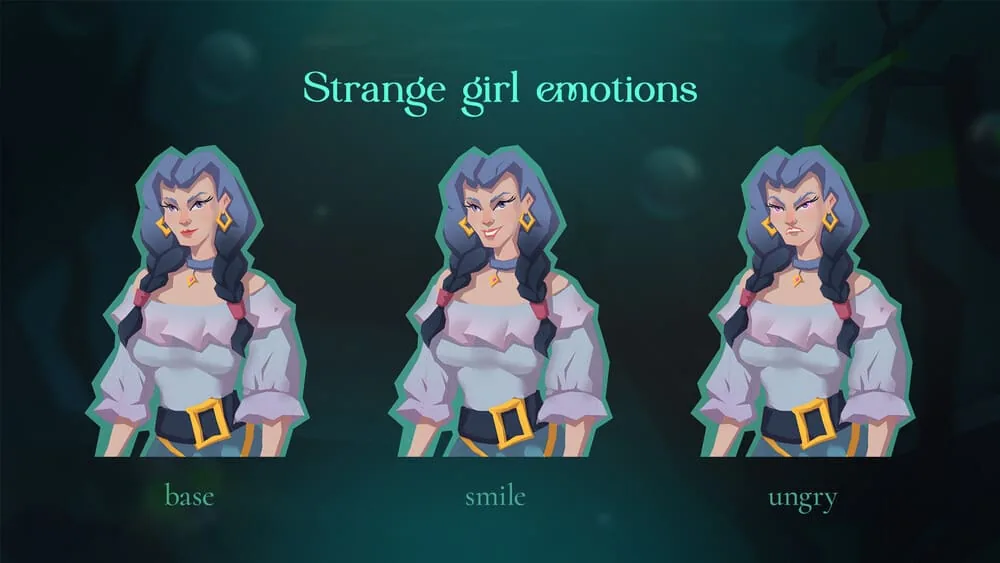
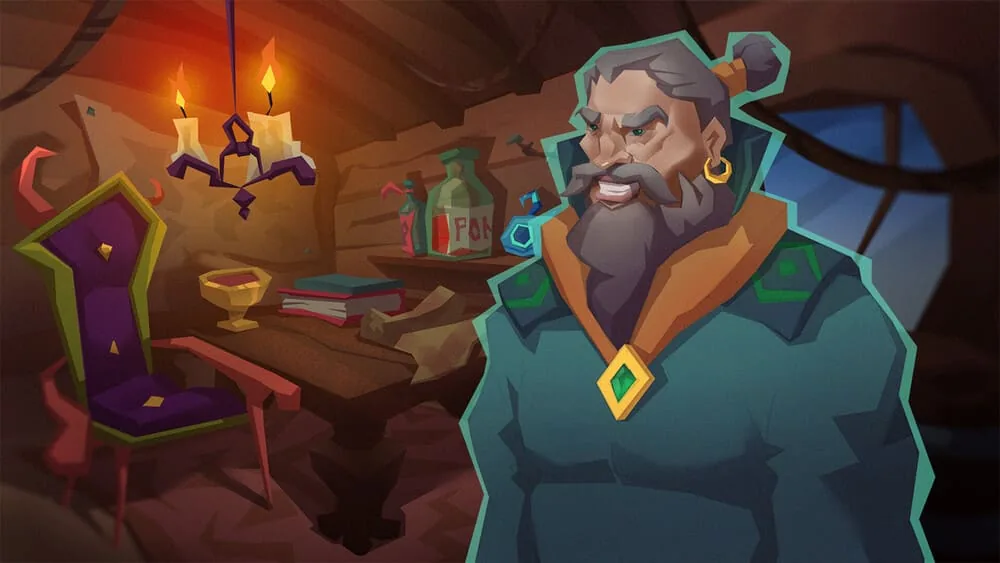 Emotions of characters, finale:
The work corresponds to the chosen style
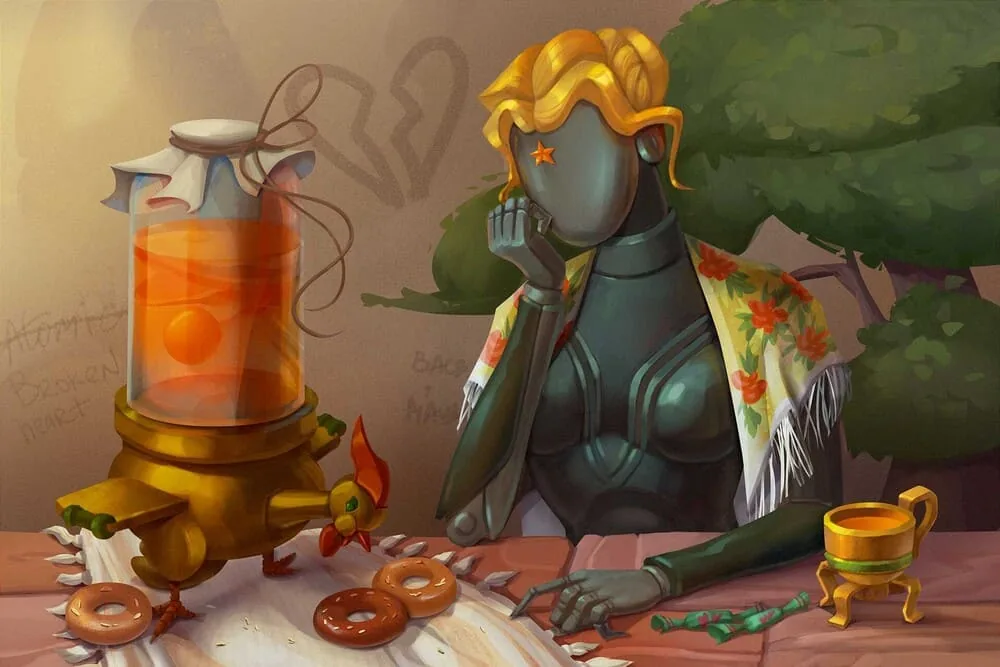
The number of steps required for the work to look complete varies depending on the chosen style. Before you start drawing, ask yourself the question, what style do you want to stick to? Rely on references: pay attention to how the textures are worked out, how close to realism, or whether the effect of the lightness of an unfinished speed painting and deliberately left strokes and lines somewhere is preserved. Example of speed painting:
Example of rendered character:
You meet the deadline
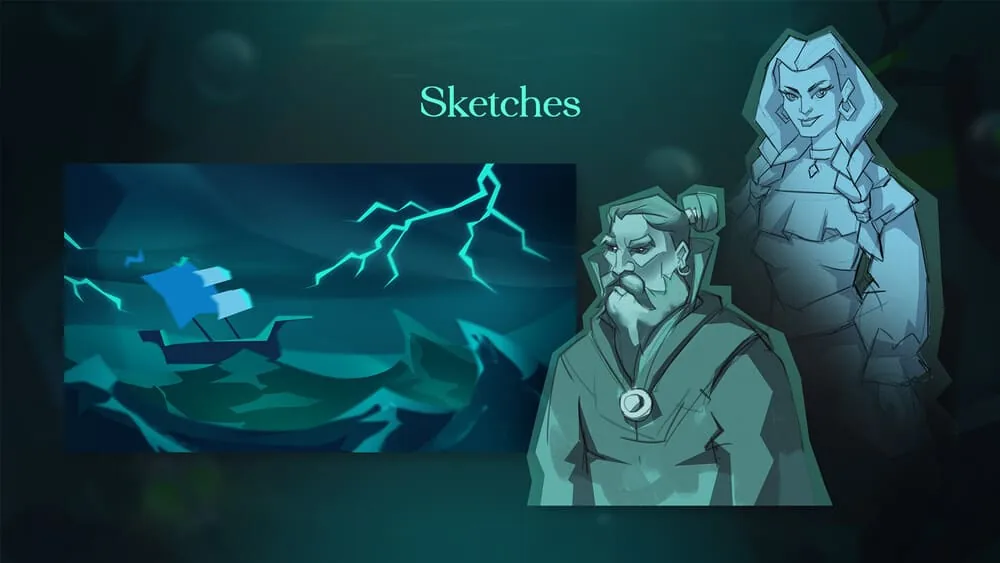
If you are making a picture for a contest, you definitely have a specific day and hour after which you simply will not have time to correct anything, and you will have to leave the work as it is. This is a very useful practice: tight deadlines help you focus on the main thing and produce the maximum result. It is useful to set yourself a deadline in working on your own project to learn to let go of the process at some point and move on to new stages. Example: my work for the game jam, which was given one weekend to create. The game was decided to be made in the visual novel genre. It was necessary to prioritize correctly, what to draw first, and what is not so critical to catch up. First, I made a simplified style with a minimum of textures and only color fills and shadows, then I sketched the characters, drew the backgrounds. I returned to the final drawing of the characters in color and their emotions only four hours before the submission of the final work. Sketches:
Backgrounds (result):
Background with character:
Emotions of characters, finale:
The composition is all right
Related courses
All courses
from 3 750 ₽
-25%
My first figure
5 000 ₽3 750 ₽
Learn more

from 4 950 ₽
-45%
Book illustration: The first page
9 000 ₽4 950 ₽
Learn more
from 4 950 ₽
-45%
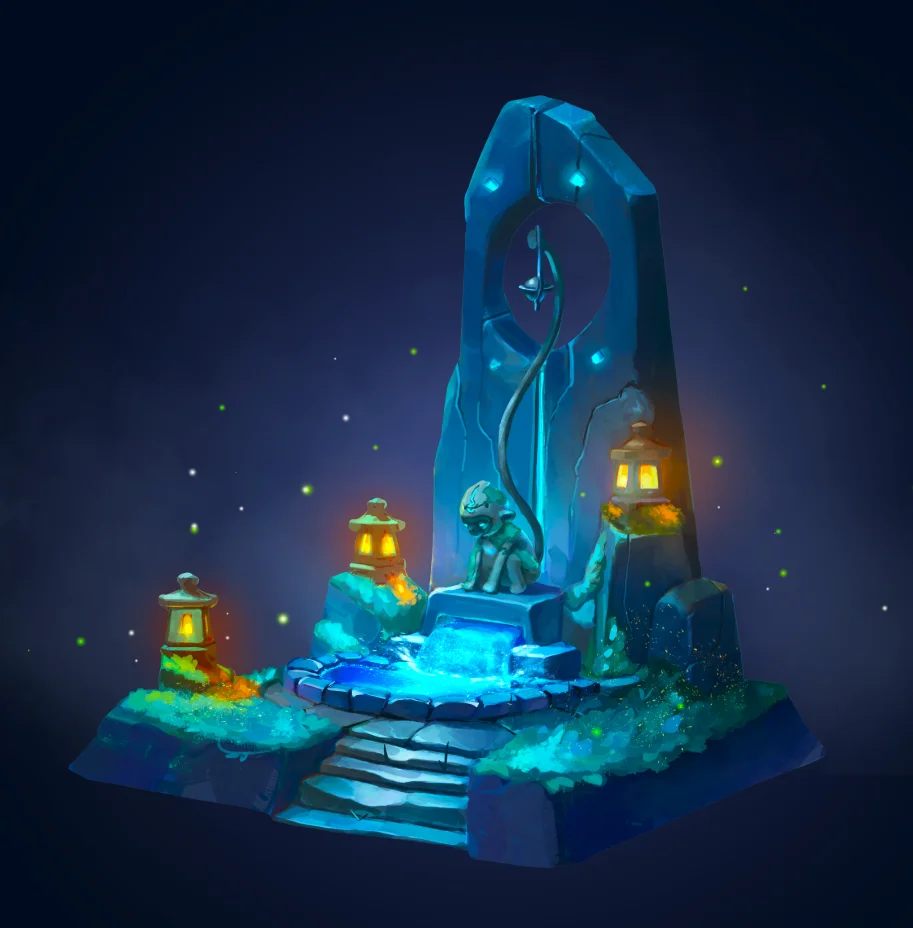
Prop concept: render and atmosphere
9 000 ₽4 950 ₽
Learn more
In this concept, I include composition in general and composition in detail. To understand whether it's time to complete the work, ask yourself questions: how much the sheet is formed, how the objects are balanced inside it, are there any focus points, do they not contradict each other?
And also micro-composition: for example, when you draw a still life, it is important to understand whether the viewer understands what objects are on it and what materials they are made of, whether you have overdone the detailing. If so, it is worth generalizing some details.
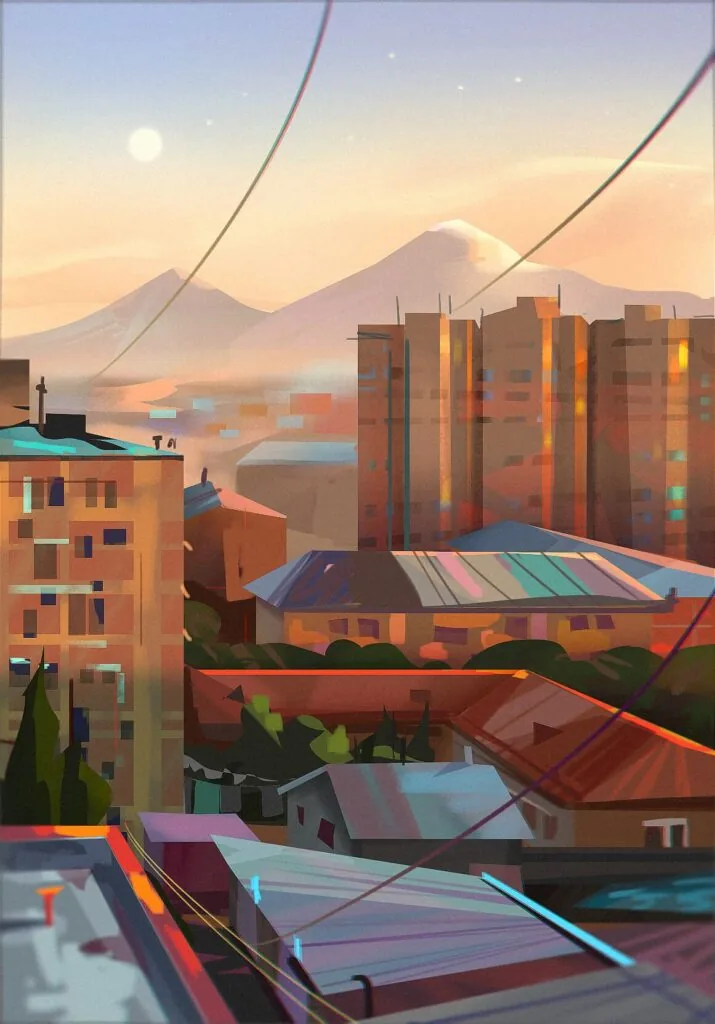
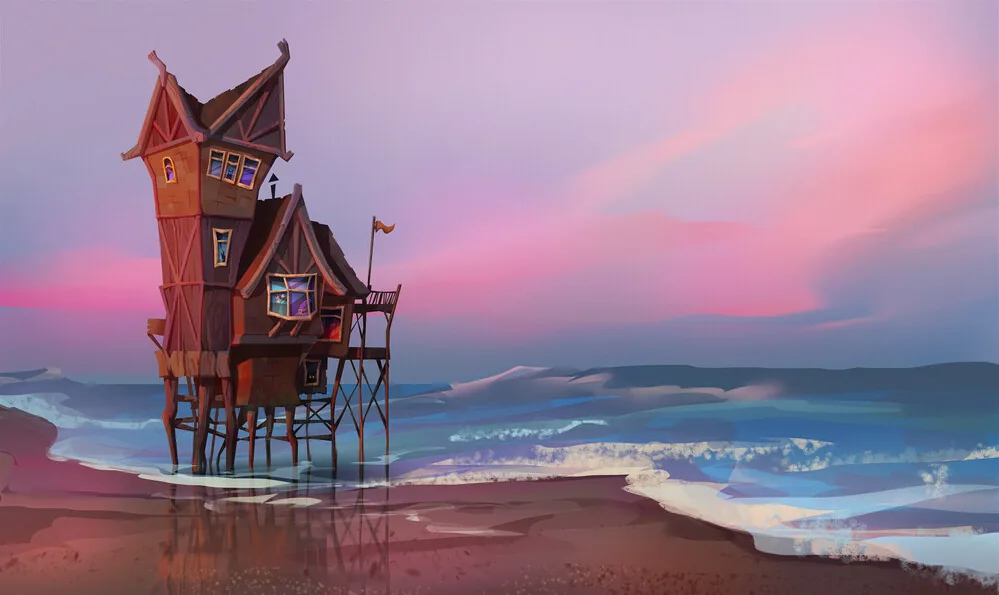
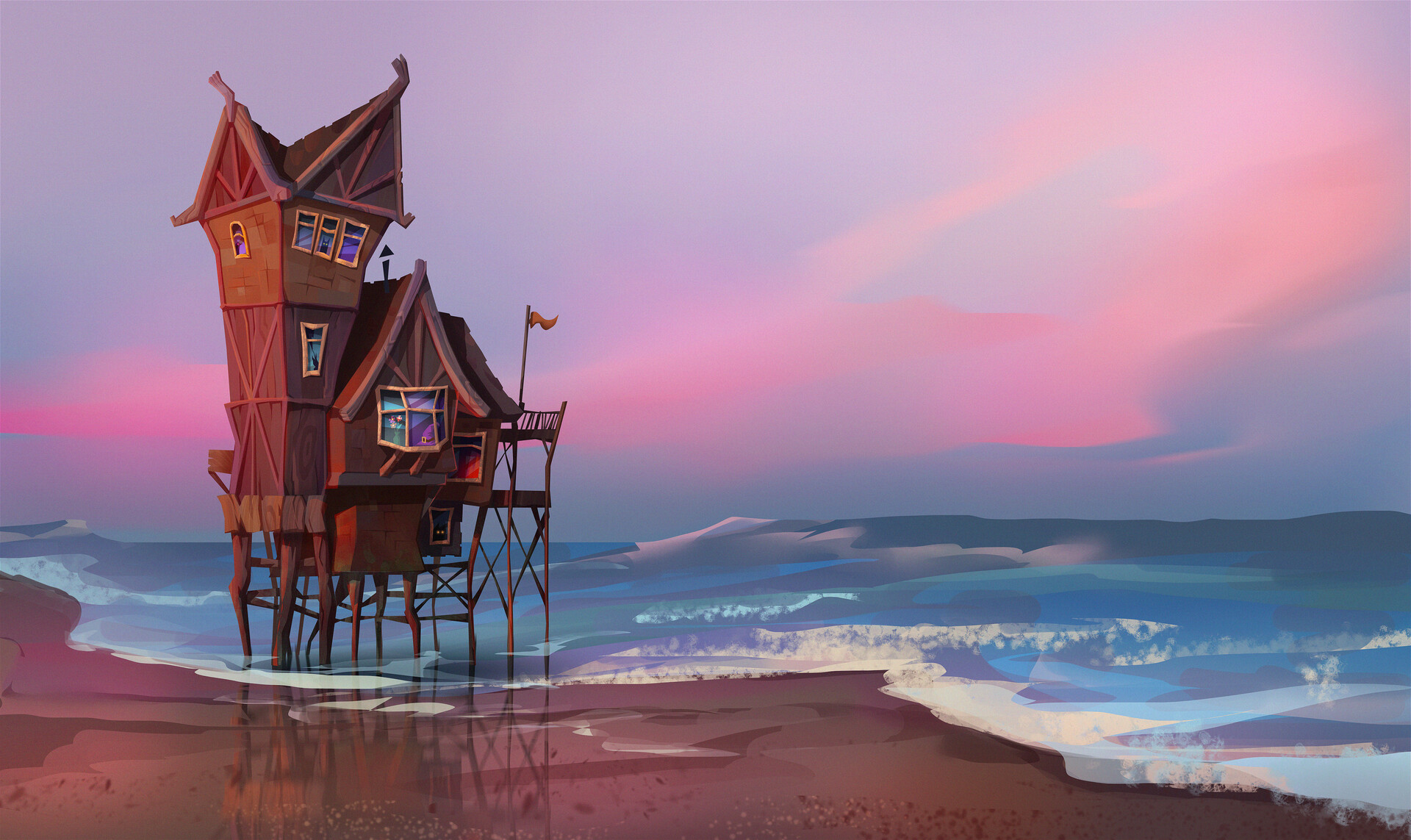
Example: the main center of this composition is the house, but since I decided to add a background, I made the wave bigger and worked it out more, so that the viewer would have something to catch their eye on in the right part of the sheet.
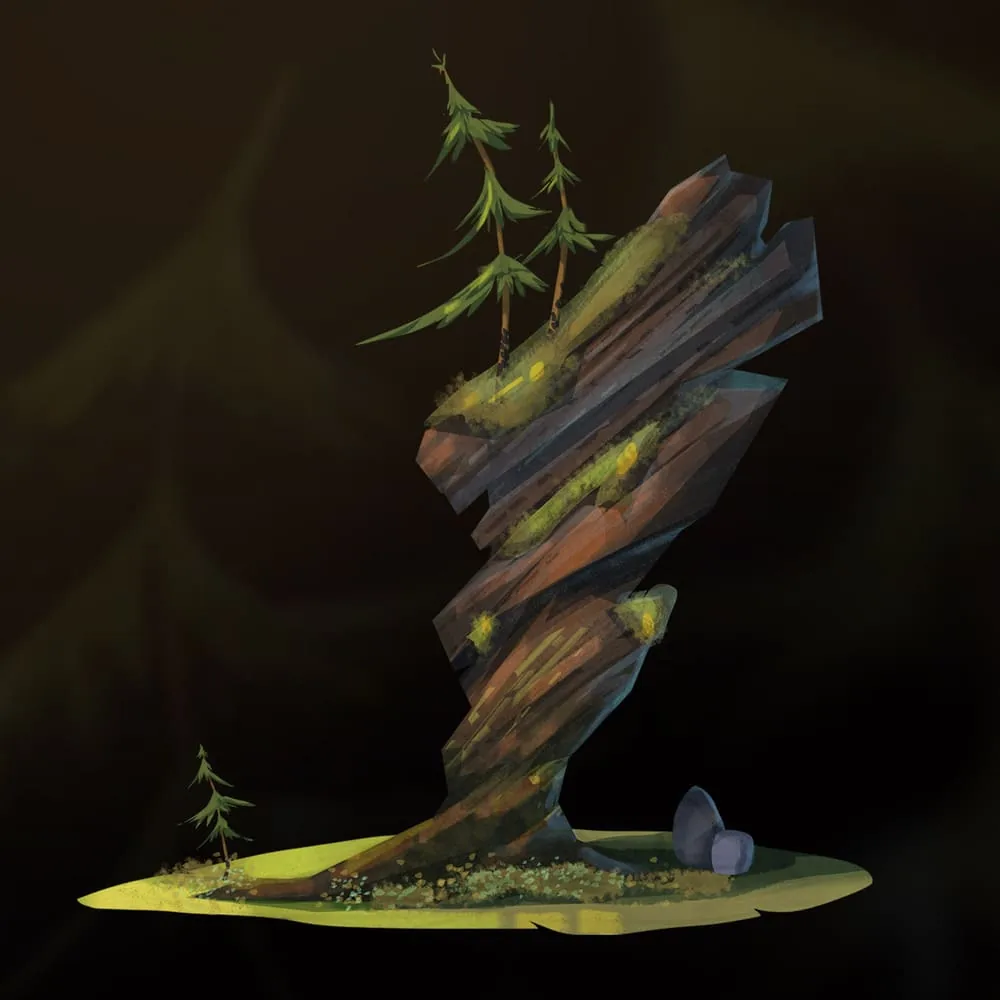
 More examples from the course 2D Environment Design: despite the fact that there was no Christmas tree in the reference on the left, I added it to add an accent in the left part and balance the composition.
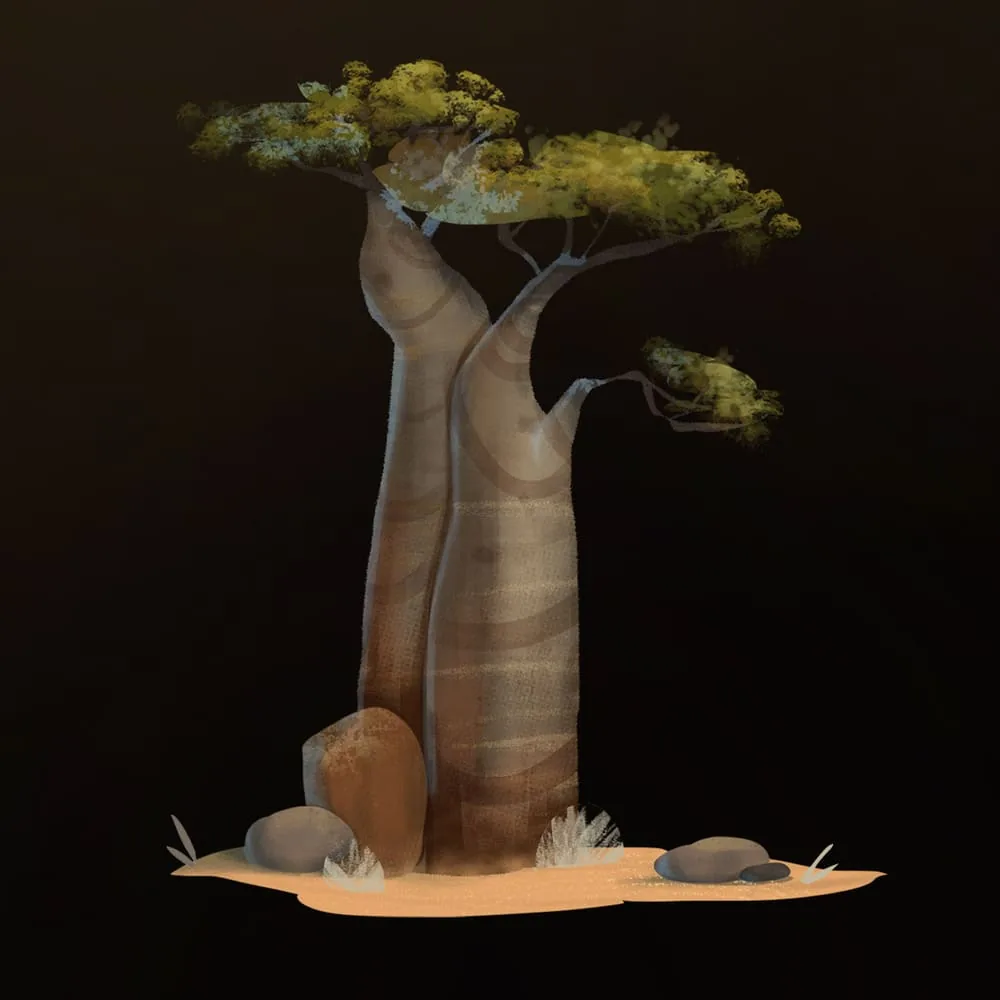
 With the stones on the right — the same story: try to cover them with your finger, and it immediately seems that there is too much free space and something is missing.
 This is a very useful practice when you draw from photos: many things have to be simplified, changed and moved around for a more winning composition. As you can see, I not only reworked the color, but also removed the wires, moved the buildings and cars.
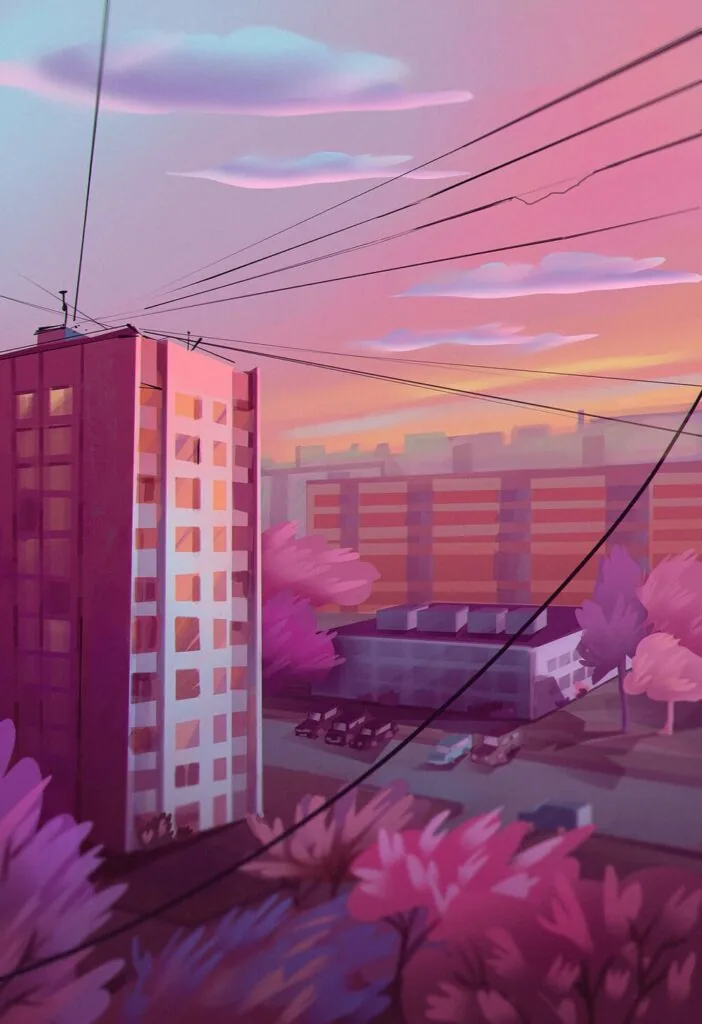
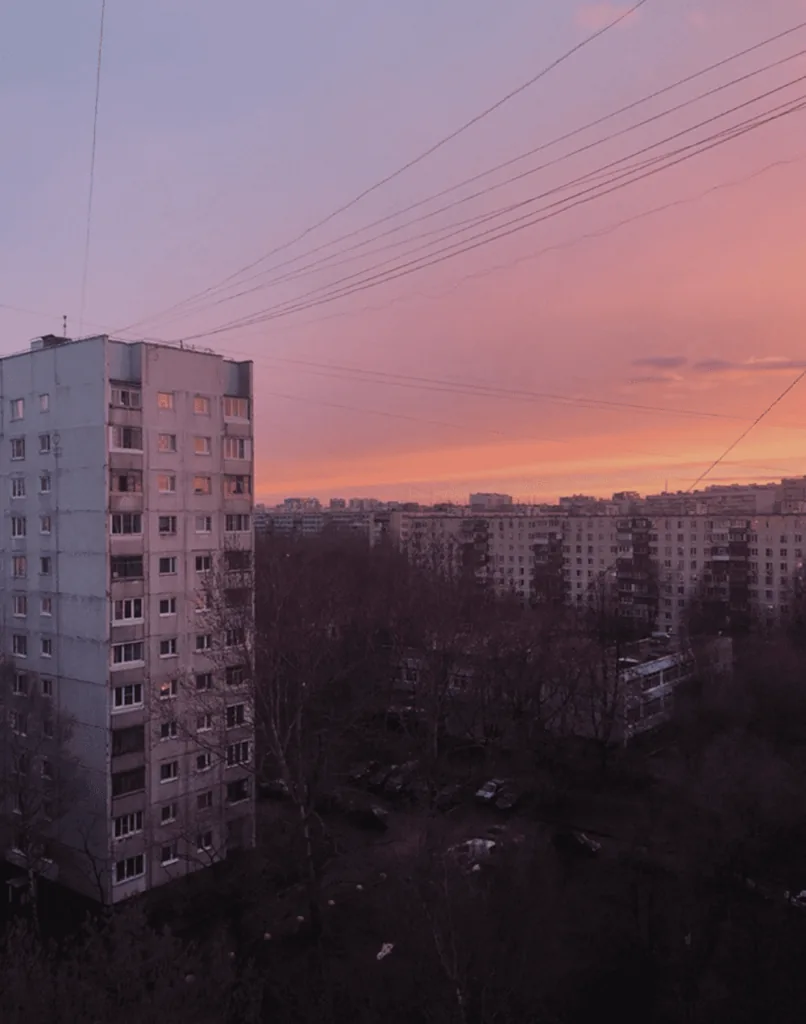
 If you do not understand yourself what is wrong with the picture, you can ask for advice from other artists. A fresh look from the outside helps to find some moments that you miss.
In Skills Up, curators will help you understand exactly when the work is finished: they will gently guide you and tell you how to finish the work and design it for your portfolio. And after the courses, you will be able to communicate in the chat with artists you met during training, and ask for advice from each other (or from the curators themselves in the club Skills Up chat).
Good luck to you and cool completed works!
If you do not understand yourself what is wrong with the picture, you can ask for advice from other artists. A fresh look from the outside helps to find some moments that you miss.
In Skills Up, curators will help you understand exactly when the work is finished: they will gently guide you and tell you how to finish the work and design it for your portfolio. And after the courses, you will be able to communicate in the chat with artists you met during training, and ask for advice from each other (or from the curators themselves in the club Skills Up chat).
Good luck to you and cool completed works!
 More examples from the course 2D Environment Design: despite the fact that there was no Christmas tree in the reference on the left, I added it to add an accent in the left part and balance the composition.
With the stones on the right — the same story: try to cover them with your finger, and it immediately seems that there is too much free space and something is missing.
This is a very useful practice when you draw from photos: many things have to be simplified, changed and moved around for a more winning composition. As you can see, I not only reworked the color, but also removed the wires, moved the buildings and cars.
More examples from the course 2D Environment Design: despite the fact that there was no Christmas tree in the reference on the left, I added it to add an accent in the left part and balance the composition.
With the stones on the right — the same story: try to cover them with your finger, and it immediately seems that there is too much free space and something is missing.
This is a very useful practice when you draw from photos: many things have to be simplified, changed and moved around for a more winning composition. As you can see, I not only reworked the color, but also removed the wires, moved the buildings and cars.
The work corresponds to your skill
This is rather an additional point, but everyone has their own limit of possibilities at the moment. Skill — it, like a living beast, is constantly growing and pumping.You stopped in time
Sometimes you just want to draw more and more details, but it is important to stop in time — often the work looks more "fresh" than with excessive elaboration of details. Probably many of you have come across such a moment when you feel that the work is getting worse — at such moments it is better to let go of the picture and start something new. Example: I spent a lot of time on this picture, constantly changing something, but I was not satisfied with the result. That's why I was super happy to finally let it go. 🙂 If you do not understand yourself what is wrong with the picture, you can ask for advice from other artists. A fresh look from the outside helps to find some moments that you miss.
In Skills Up, curators will help you understand exactly when the work is finished: they will gently guide you and tell you how to finish the work and design it for your portfolio. And after the courses, you will be able to communicate in the chat with artists you met during training, and ask for advice from each other (or from the curators themselves in the club Skills Up chat).
Good luck to you and cool completed works!
If you do not understand yourself what is wrong with the picture, you can ask for advice from other artists. A fresh look from the outside helps to find some moments that you miss.
In Skills Up, curators will help you understand exactly when the work is finished: they will gently guide you and tell you how to finish the work and design it for your portfolio. And after the courses, you will be able to communicate in the chat with artists you met during training, and ask for advice from each other (or from the curators themselves in the club Skills Up chat).
Good luck to you and cool completed works!Related materials

Software that will be useful to an artist for work in a company
September 18, 20230
GameDev. Who are you?
April 19, 20240
Frontal perspective in drawing
October 1, 20250
Statics and dynamics in drawing: creating mood and movement
March 24, 20250
About color and light in simple language: a comprehensive guide
March 21, 20250
The artist's dictionary: your guide in the world of creativity
March 18, 20250