
ArticleUpdated: September 6, 2026
About color and light in simple language: a comprehensive guide
In short
Colour is what is left of light after it meets an object, which is why the same local colour looks different under different lighting. From there: colour temperature, how the background sets the mood and how light changes the way materials read. With exercises.

Skills Up School
Online school of drawing and CG
What is light and color
Light is electromagnetic radiation that our eye perceives. Color is the result of the interaction of light with an object that reflects certain wavelengths and absorbs the rest. See how colour and light work in a real painting in the master class How to draw a flower. Interesting: Short waves of light are blue and violet, and long ones are red. The longer the wave, the “warmer” the color is perceived. That’s why sunsets seem so warm to us!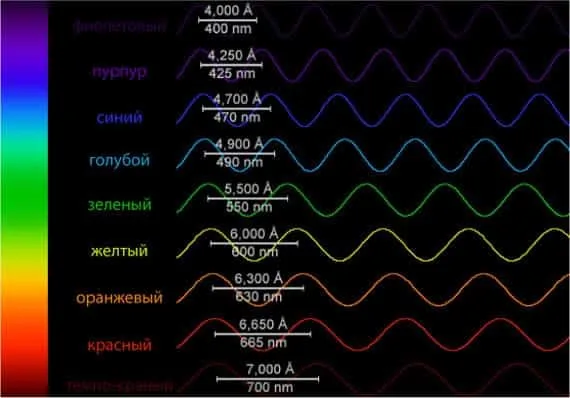
The influence of light on color perception
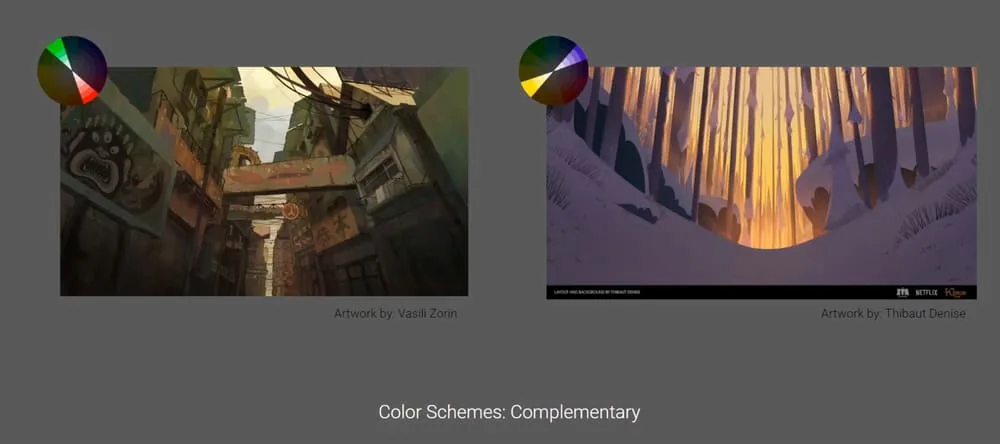
Light changes the perception of color, making it warm or cold in relation to the shadow. For example, white fabric in warm sunlight may seem yellowish, and in cold lamp light — bluish. At the same time, the color of the shadow will be the opposite of the color of the light, that is, if the light is warm, the shadows are cold and vice versa. This principle is called warm-cold and is one of the main principles of painting. Example: You've probably noticed how blue the deep shadows of snow are in the bright sun light and the bright yellow highlights on the illuminated surfaces of snowdrifts.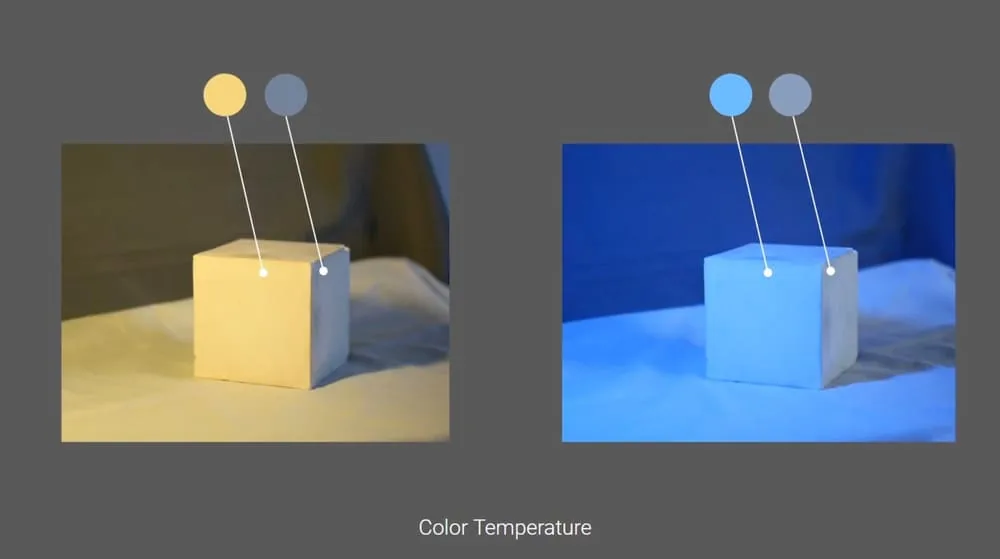

Any color we perceive relatively
Colors never exist in isolation. Their shade and warm-coldness are determined by the environment. For example, gray against an orange background looks cool, but against a blue background it seems warm.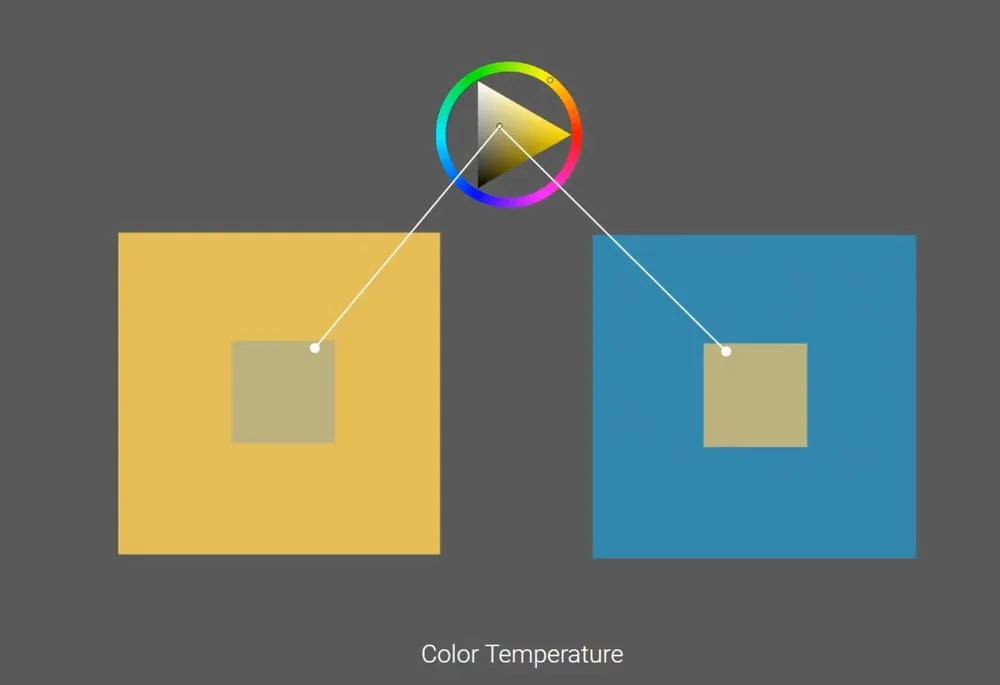 Tip: When in doubt about the warm-coldness of a color, try placing it on a neutral gray background.
Color temperature and its application
Color temperature is measured in Kelvins and determines how “warm” or “cold” the light appears.- Warm light: from 2000K to 4000K (sunsets, candles).
- Cold light: from 5000K to 10 000K (daylight of lamps, cloudy weather).
Related courses
All courses
from 3 750 ₽
-25%
My first figure
5 000 ₽3 750 ₽
Learn more

from 4 950 ₽
-45%
Book illustration: The first page
9 000 ₽4 950 ₽
Learn more

from 4 950 ₽
-45%
Prop concept: render and atmosphere
9 000 ₽4 950 ₽
Learn more
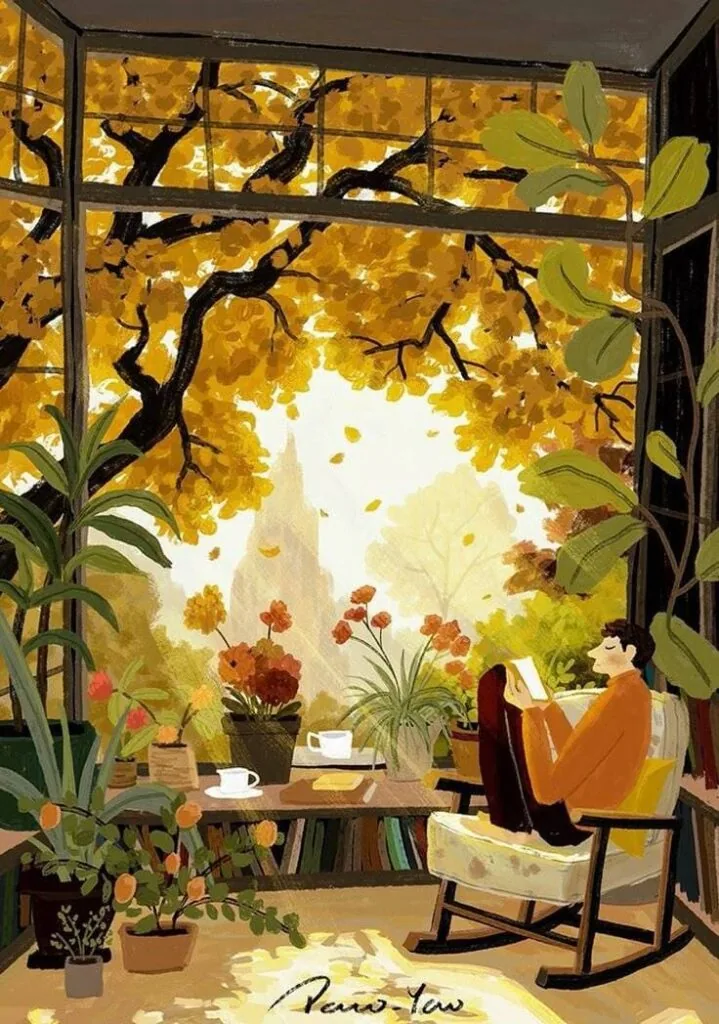
Feature: Use color temperature to convey the atmosphere. Warm light creates coziness, and cold light — drama.

The influence of the background on the atmosphere of the work
The background can completely change the perception of the character. For example:- A dark background makes the image mysterious and dramatic.
- A light background emphasizes lightness and purity.
Practical tips for working with color
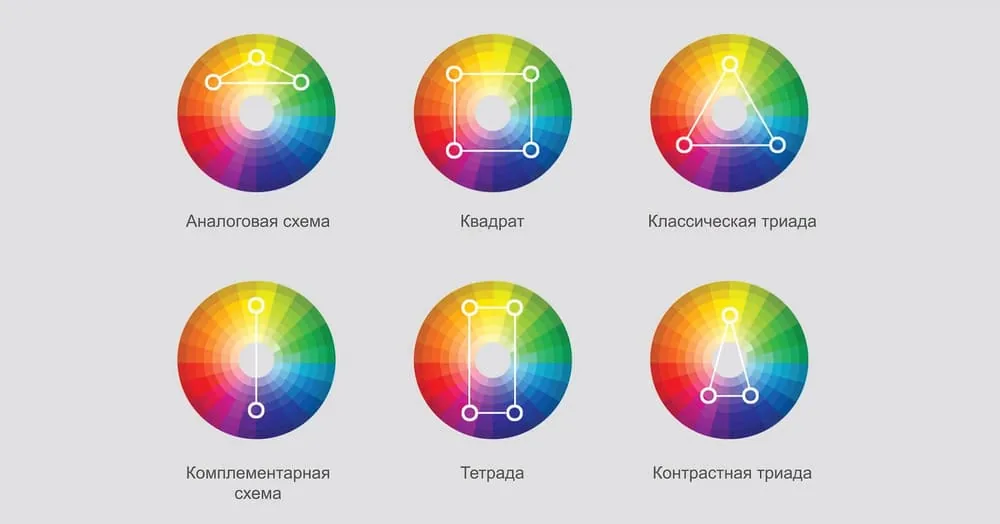
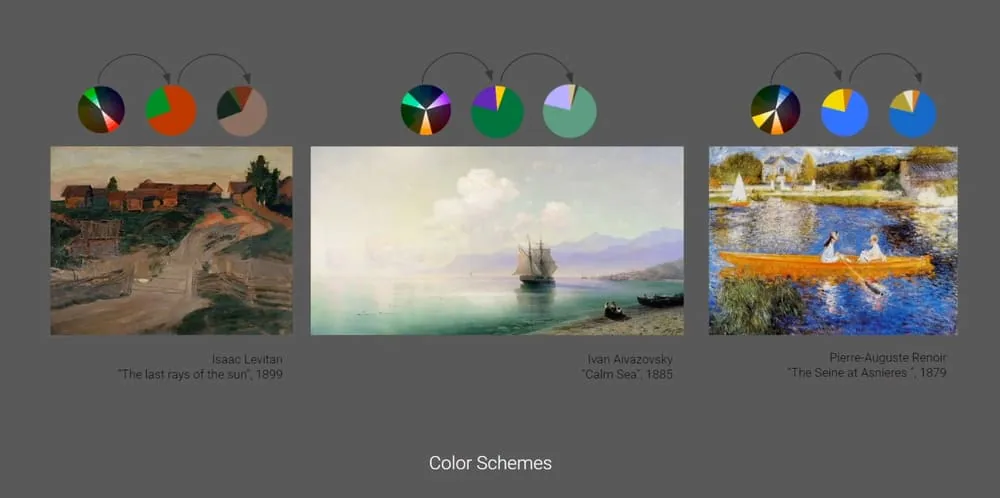
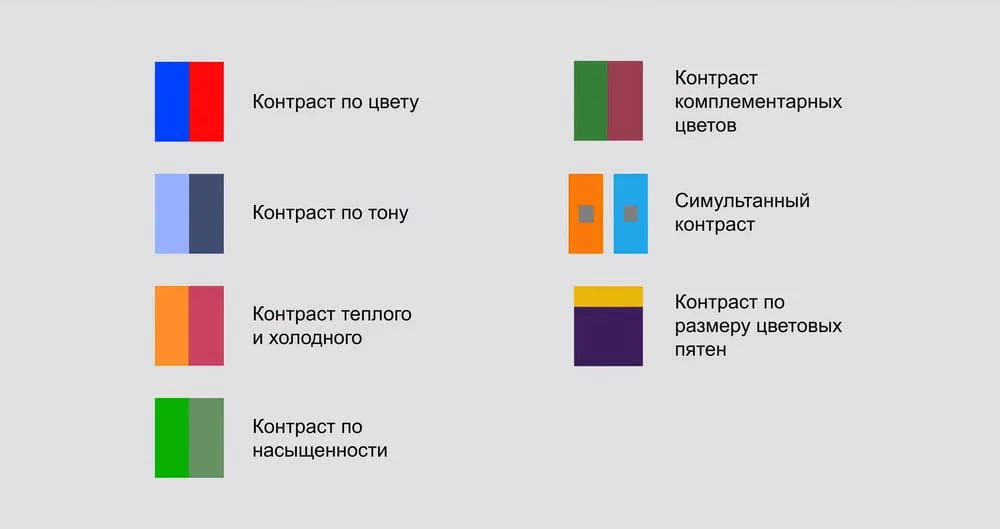
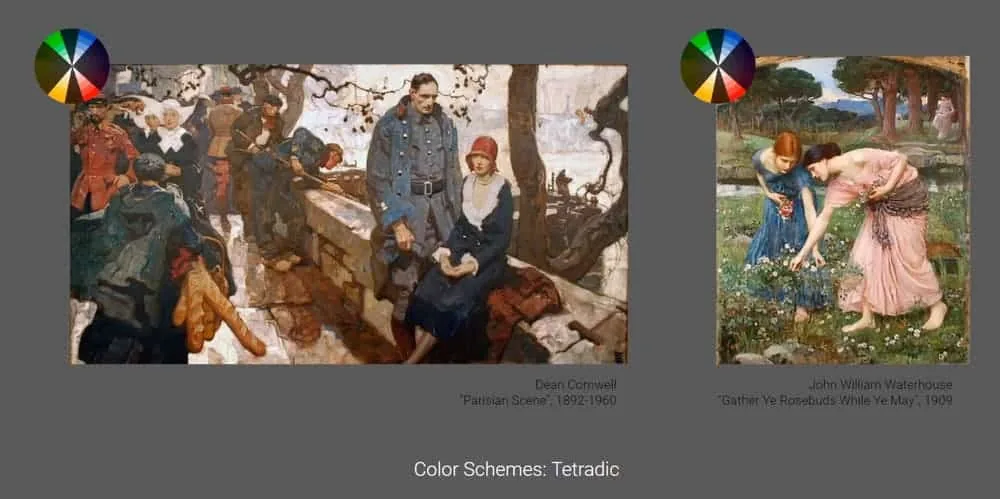
- Create palettes: Choose 2-3 basic colors and gradually add their shades. Classic schemes of color contrasts will help you in selecting a palette.
- Compare colors: Place shades side by side to see how they influence each other.
- Check on a black and white background: This helps to see brightness and contrast.
- Choose a dominant color and a color for accents in the ratio of spots according to the “large-medium-small” principle.
Examples from the history of art
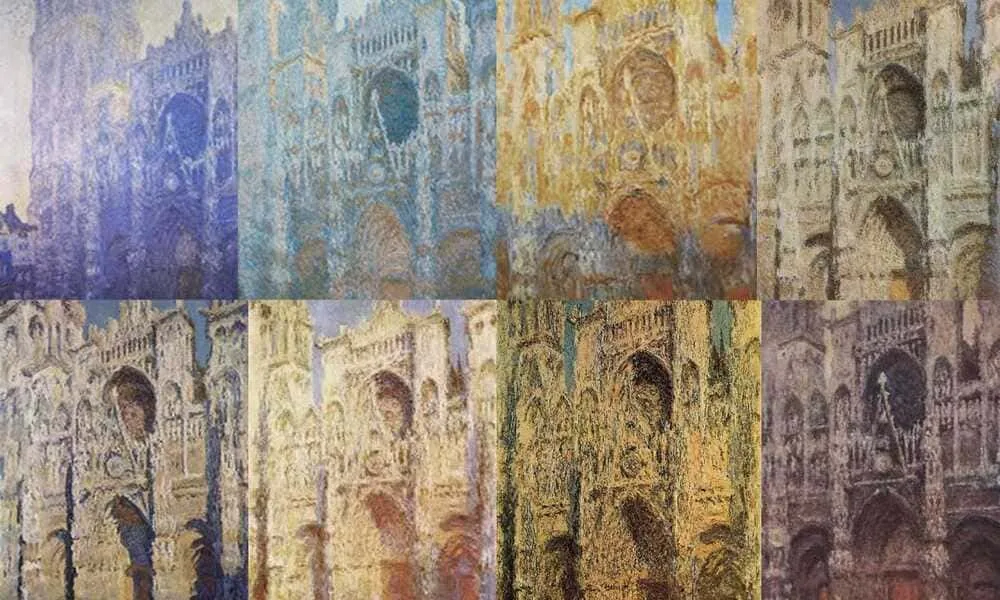
- Claude Monet in the series "Rouen Cathedral" showed how light affects the color of architecture at different times of the day, creating more than 100 sketches of the same place at different times of the day.
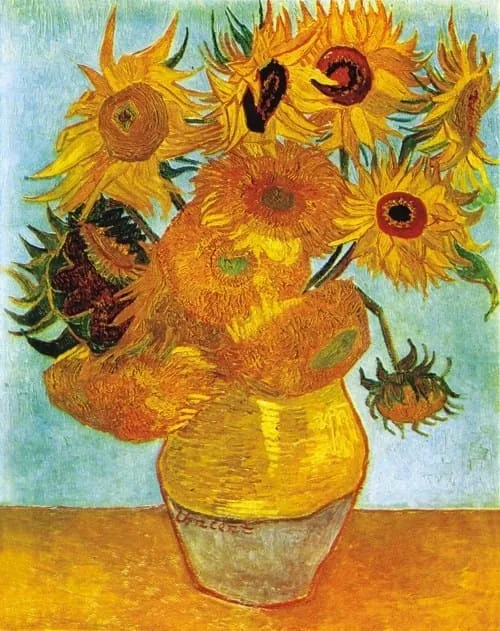
- Van Gogh in his "Sunflowers" used bright warm colors to convey a cheerful mood.
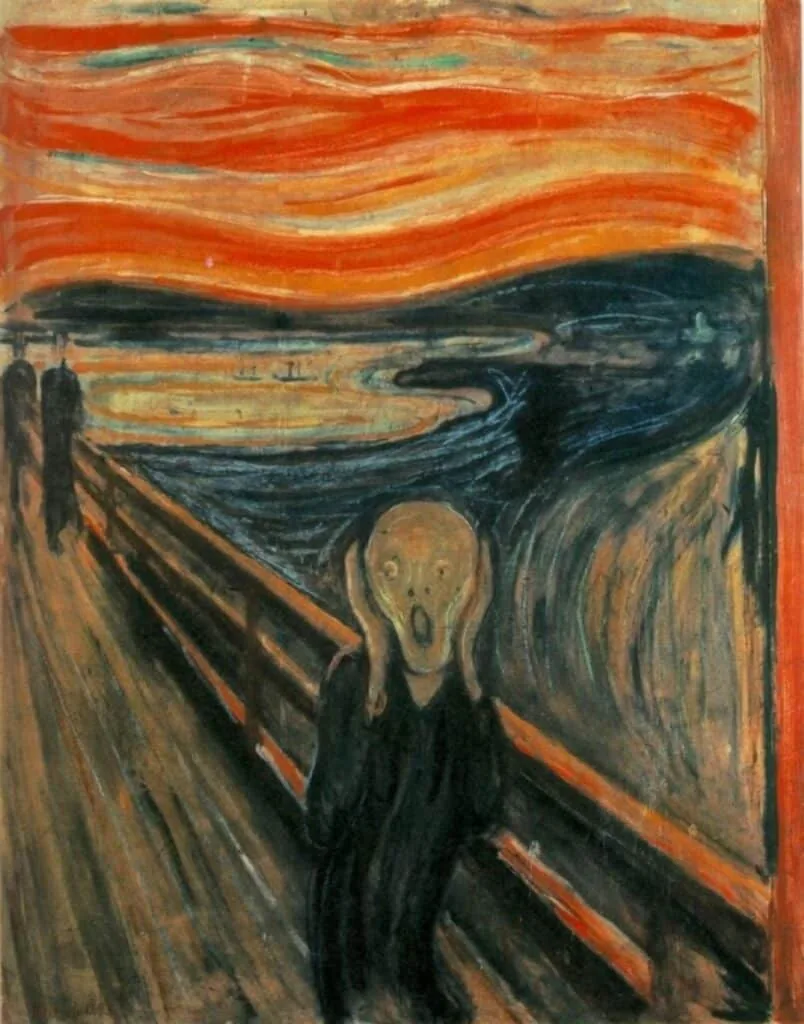
- Edward Munch in "The Scream" combined pure cold and warm shades to create an alarming atmosphere.
The influence of light on textures and materials
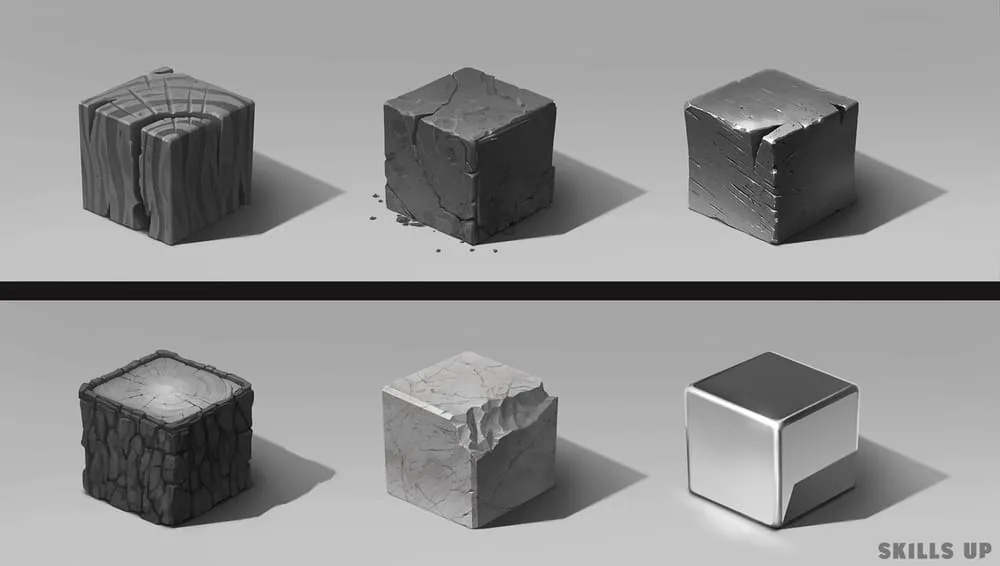
Materials react to light in different ways:- Glossy surfaces reflect light, creating bright highlights (metals, metallized fabrics, glossy plastic).
- Matte surfaces absorb light (gypsum, paper, dense fabric, matte plastic, wood).
- Translucent materials (thin fabric, glass) create the effect of translucency, glow from the inside, scattering.
Exercises
- Draw one object in different light: Warm sunlight, cold moonlight or electric light.
- Experiment with backgrounds: Try drawing an object on a white, black and colored background to see how color reflexes work and how the color of the background affects the color of the object itself.
- Create beautiful color combinations. Guided by the contrast scheme, try to create beautiful combinations of colors.
Conclusion
Color and light are powerful tools for an artist. Understanding their interaction helps to convey mood, create volume and manage the viewer's attention. Experiment, look at the works of classics of painting and modern authors, try new techniques and do not be afraid of mistakes — each of your efforts brings you closer to mastery.
Related materials

Article
Step-by-step guide to modeling in ZBrush. Part 1
September 18, 2023
Article
Useful hotkeys in Photoshop
September 18, 2023
Tutorial
How to draw a crystal. Step-by-step guide for artists
March 24, 2025
Article
Frontal perspective in drawing
October 1, 2025
Article
Statics and dynamics in drawing: creating mood and movement
March 24, 2025
Article
The artist's dictionary: your guide in the world of creativity
March 18, 2025