
ArticleUpdated: September 6, 2026
Time management for an artist
In short
Time runs short not because there is too little of it but because of how attention is spread. Anna Vinokurova describes how to build a practice around a job and a family — in short sessions, without heroics and without burnout.

2D artist
User: There are so many ideas and so little time to implement them! Sound familiar?
Organizing time in the creative process is a fragile and special thing, so we decided to discuss this topic not with a time management guru, but with an experienced artist and curator of the 2D graphics course in St. Petersburg, Anna Vinokurova. Practical advice based on personal experience can be found at the end of the article.
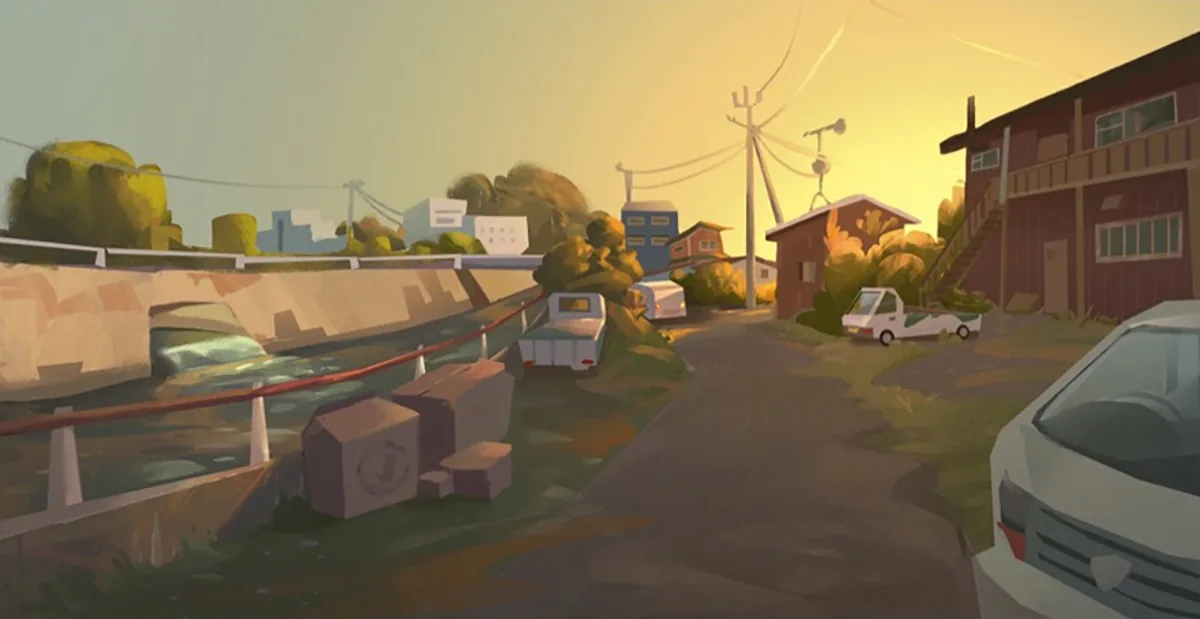 Lack of time mainly stems from irrational force distribution. And this is directly related to such a resource as attention.
Many people still believe that multitasking is generally not bad, because you swim in the sea of variability of event development and control all of it.
BUT IT DOESN'T WORK.
Unfortunately, with constant attention switching, our body produces the stress hormone (cortisol and adrenaline), and overstimulation of the brain in such a situation leads to a feeling of fog, loss of focus, and causes addiction. There is a desire to constantly seek even more stimulation in the world around you, to constantly switch.
This affects attention.
Attention is an important thing that determines efficiency, including in drawing. Thanks to attention, we learn, understand, and reflect. The more we get distracted, the weaker our ability to focus and concentrate becomes.
No matter how much you practice sketching, rendering, practice is meaningless if you do not manage your attention. New knowledge forms neural connections only if learning is based on regularity and voluntary attention. But you cannot turn it on if you are constantly distracted.
Attention switching forces the body to spend glucose. The more it is consumed, the more tired you get, the more anxiety, excitement, fog in the head, wandering thoughts, the desire to create more noise around you to return PSEUDO-CALM.
Remember that this is actually an addiction to cortisol and adrenaline, a chemical reaction in our body, and not procrastination or laziness at all. And all this can be solved by pumping up the concentration muscle.
Lack of time mainly stems from irrational force distribution. And this is directly related to such a resource as attention.
Many people still believe that multitasking is generally not bad, because you swim in the sea of variability of event development and control all of it.
BUT IT DOESN'T WORK.
Unfortunately, with constant attention switching, our body produces the stress hormone (cortisol and adrenaline), and overstimulation of the brain in such a situation leads to a feeling of fog, loss of focus, and causes addiction. There is a desire to constantly seek even more stimulation in the world around you, to constantly switch.
This affects attention.
Attention is an important thing that determines efficiency, including in drawing. Thanks to attention, we learn, understand, and reflect. The more we get distracted, the weaker our ability to focus and concentrate becomes.
No matter how much you practice sketching, rendering, practice is meaningless if you do not manage your attention. New knowledge forms neural connections only if learning is based on regularity and voluntary attention. But you cannot turn it on if you are constantly distracted.
Attention switching forces the body to spend glucose. The more it is consumed, the more tired you get, the more anxiety, excitement, fog in the head, wandering thoughts, the desire to create more noise around you to return PSEUDO-CALM.
Remember that this is actually an addiction to cortisol and adrenaline, a chemical reaction in our body, and not procrastination or laziness at all. And all this can be solved by pumping up the concentration muscle.
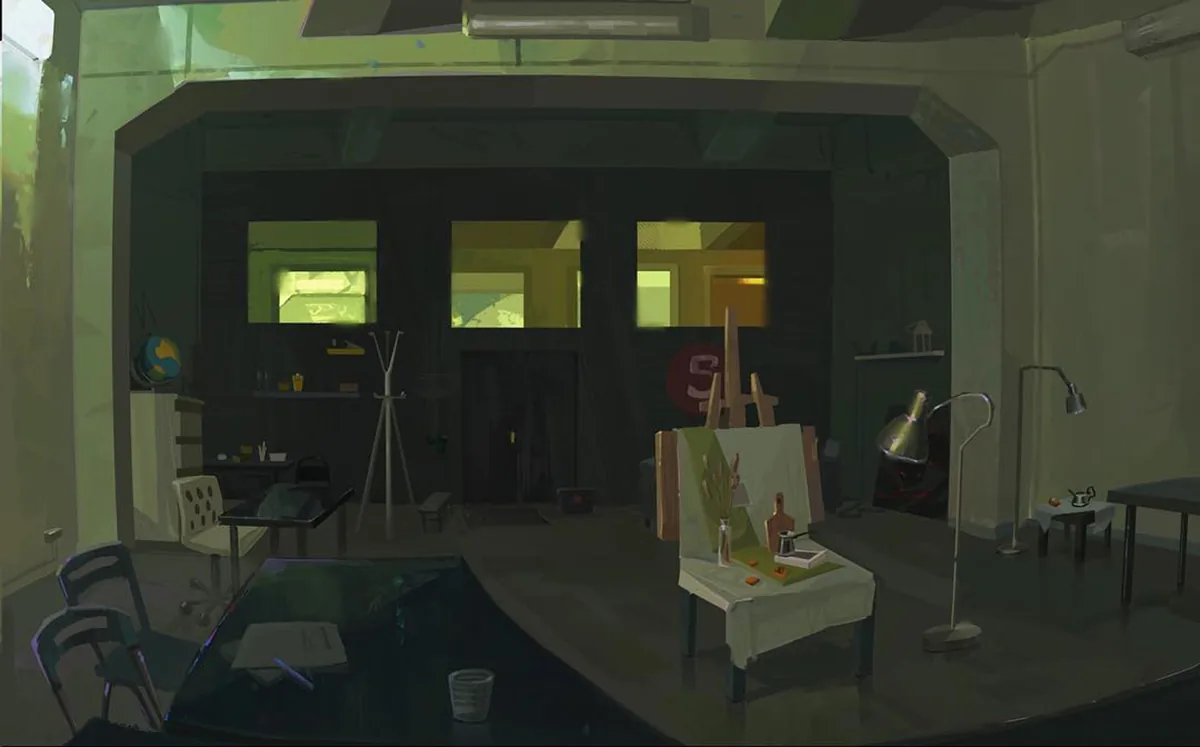
Lack of time mainly stems from irrational force distribution. And this is directly related to such a resource as attention.
Many people still believe that multitasking is generally not bad, because you swim in the sea of variability of event development and control all of it.
BUT IT DOESN'T WORK.
Unfortunately, with constant attention switching, our body produces the stress hormone (cortisol and adrenaline), and overstimulation of the brain in such a situation leads to a feeling of fog, loss of focus, and causes addiction. There is a desire to constantly seek even more stimulation in the world around you, to constantly switch.
This affects attention.
Attention is an important thing that determines efficiency, including in drawing. Thanks to attention, we learn, understand, and reflect. The more we get distracted, the weaker our ability to focus and concentrate becomes.
No matter how much you practice sketching, rendering, practice is meaningless if you do not manage your attention. New knowledge forms neural connections only if learning is based on regularity and voluntary attention. But you cannot turn it on if you are constantly distracted.
Attention switching forces the body to spend glucose. The more it is consumed, the more tired you get, the more anxiety, excitement, fog in the head, wandering thoughts, the desire to create more noise around you to return PSEUDO-CALM.
Remember that this is actually an addiction to cortisol and adrenaline, a chemical reaction in our body, and not procrastination or laziness at all. And all this can be solved by pumping up the concentration muscle.
How to do it? Here are some practical tips.
Related courses
All courses
1. Remember about the routine and listen to your rhythms. Sitting over work all night after a hard day is a bad idea. Not only because you will feel exhausted the next day, but also because any process goes three times slower this way.
2. Deadlines can and should be used by setting them yourself.
Start with 5-minute tasks. The simplest ones. Don't be hard on yourself and work for quantity. Then, gradually, increase the amount of time spent, and with it, the level of work.
3. It is important to understand what needs more time. Here is a simple scheme, for example, for creating illustrations:
- 60% of the time – idea, silhouette, composition for the illustration
- 30% of the time - rendering
- 10% of the time - composing a brilliant description for Instagram)
Related materials
Article
The artist's dictionary: your guide in the world of creativity
March 18, 2025
Tutorial
3D for 2D illustration: A comprehensive guide for artists
December 26, 2024

Article
Digital painting. Skills of a modern artist
August 9, 2024
Article
Concept artist: overview of the profession
April 2, 2024
Article
Who is a 2D artist, what is this profession?
February 6, 2024
Tutorial
How to draw a crystal. Step-by-step guide for artists
March 24, 2025