
ArticleUpdated: September 6, 2026
Academic drawing: from the first steps to mastery
In short
Volume and surface here are carried by line, hatching and light and shade. Academic drawing is learned in two passes: first the constructive stage with construction, proportion and perspective, then the tonal one. For a digital artist it gives form that holds up from any angle.

2D artist
Academic drawing is a type of visual art that helps to convey the volume and texture of an object using lines, strokes, and light and shade. It is the oldest form of visual art and a subspecies of graphics.
While working on an academic drawing, you learn to depict three-dimensional figures, determine their ideal place in the composition, study the laws of perspective, improve your skills in arranging objects on a sheet of paper, the ability to correctly reflect proportions, create light and shade modeling of shape, and convey the texture of objects.
Linear-constructive and tonal methods of drawing are used in academic drawing.
 The history of drawing begins from ancient times when people began to depict scenes from hunting, figures of people and animals on cave walls to convey important information to each other, but the history of academic drawing is associated with the development of higher education in the field of visual arts. This style and method of teaching drawing became widespread in academies and art schools in Europe, especially in the XVII-XIX centuries.
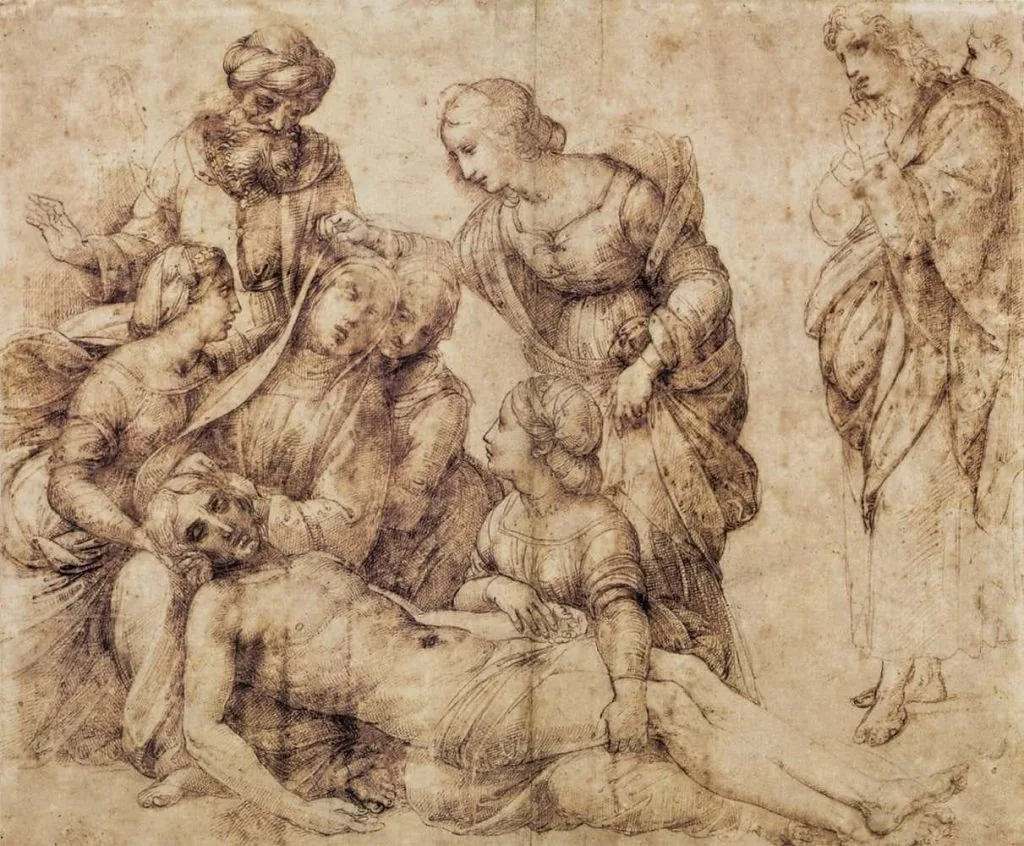
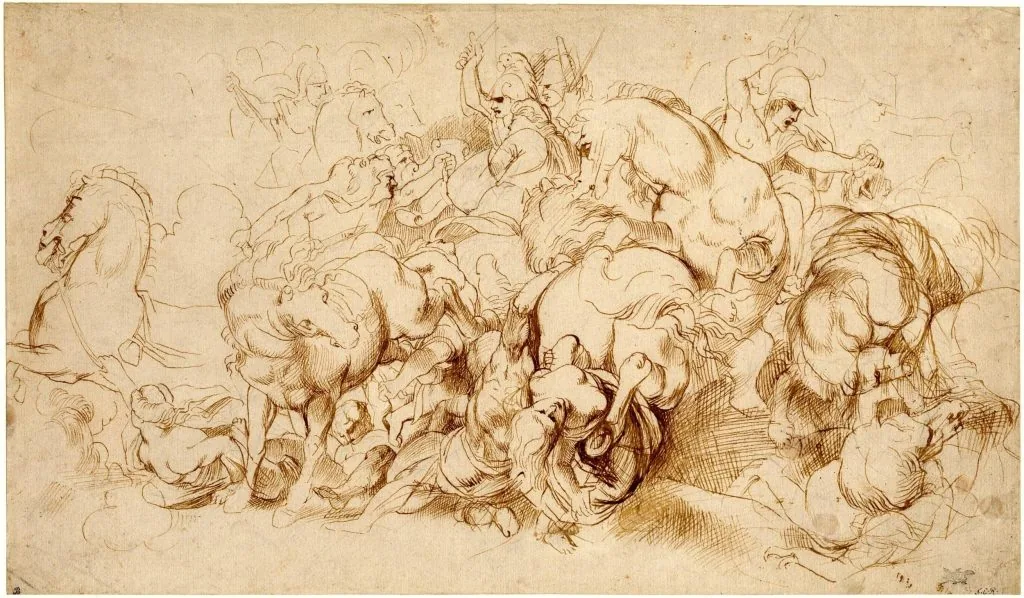
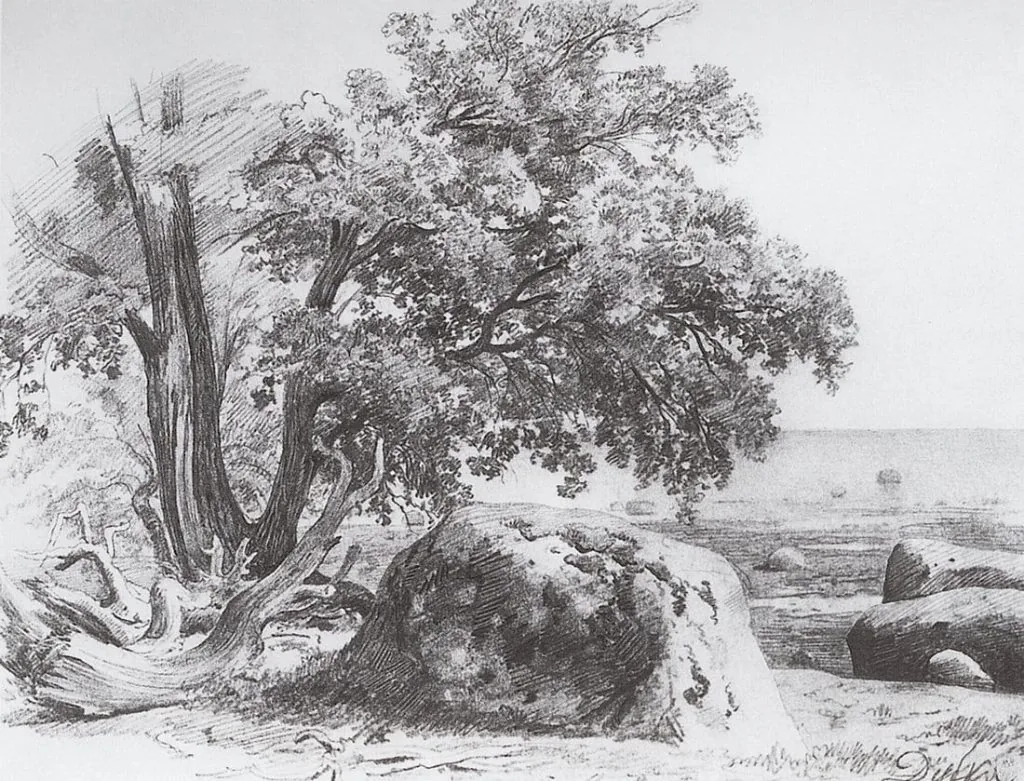
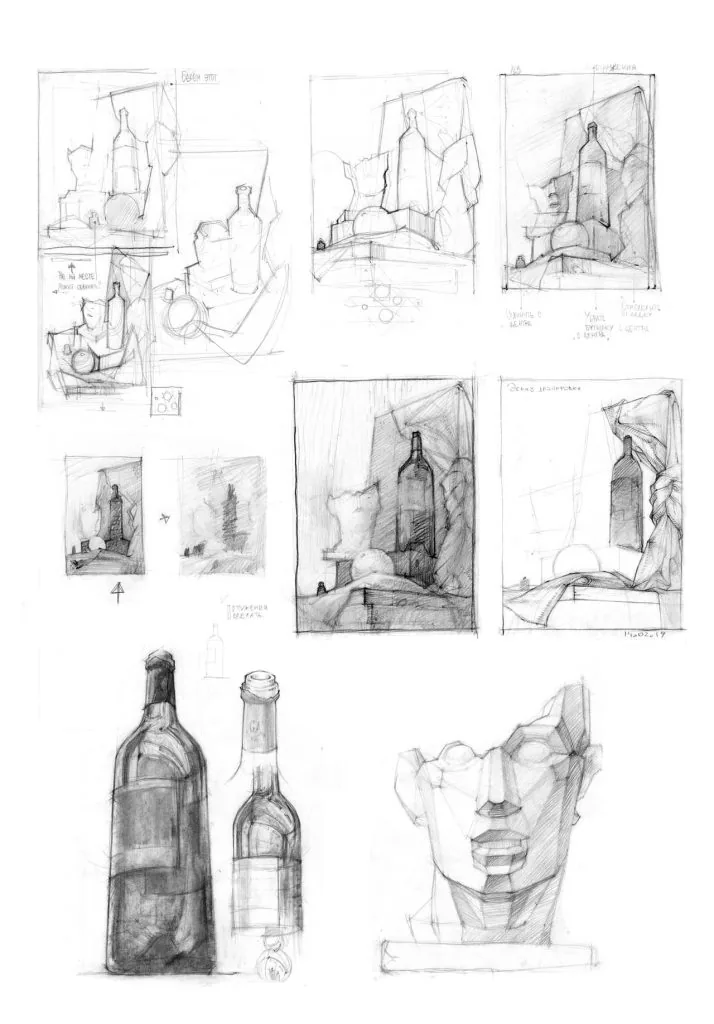
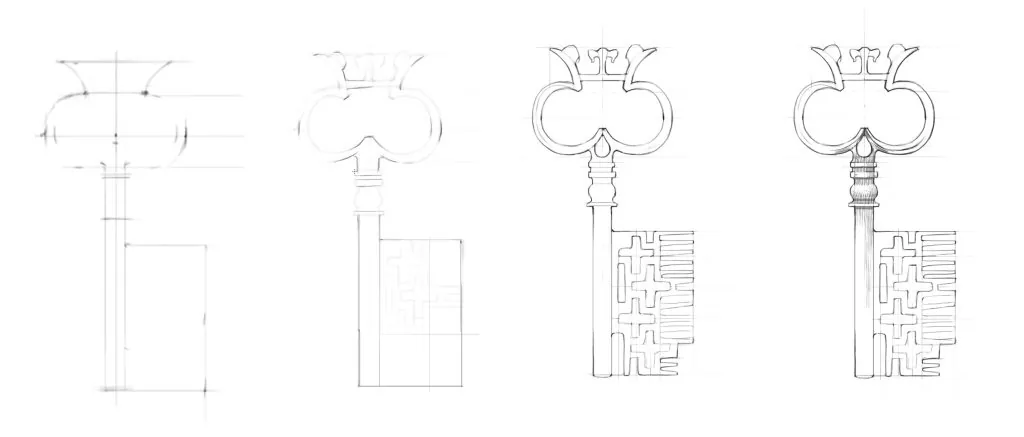 Proportions can be realistic or slightly distorted to create greater artistic expressiveness. To develop a sense of proportions, the artist must work a lot with nature: starting from the simplest objects (geometric figures made of plaster, still lifes with fruits, vegetables, etc.) and ending with drawing the human figure, making many sketches, noting important proportions and details that are difficult to recognize only from textbooks on plastic anatomy.
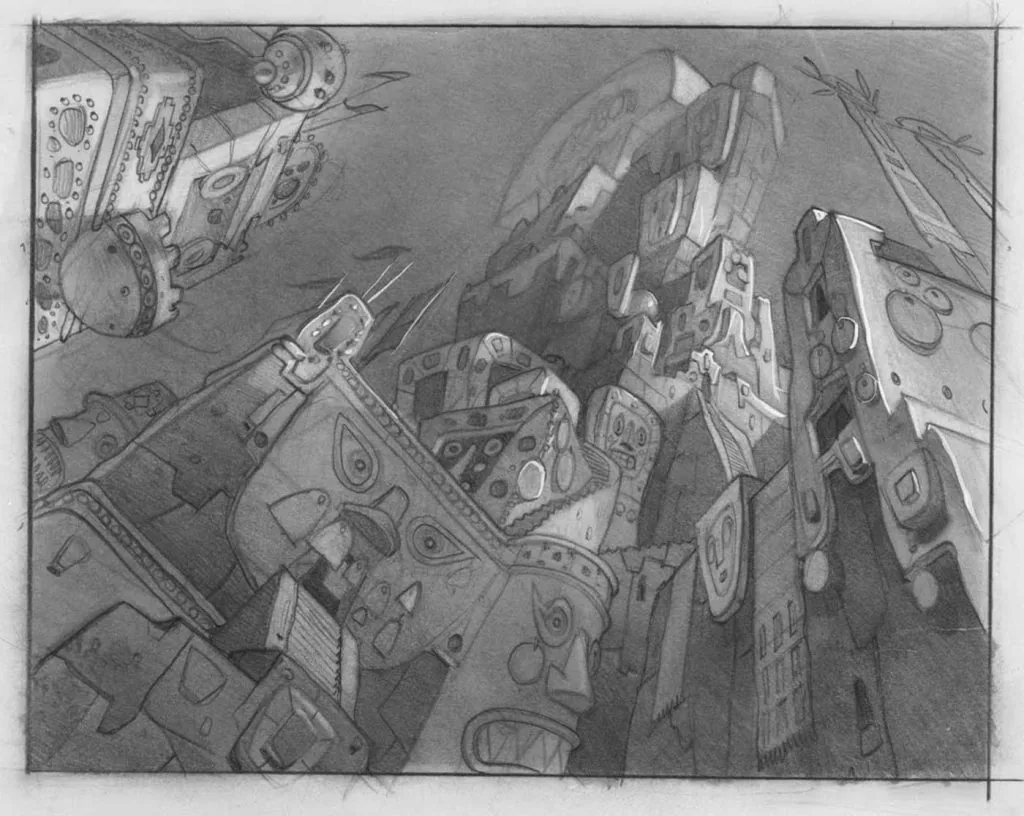
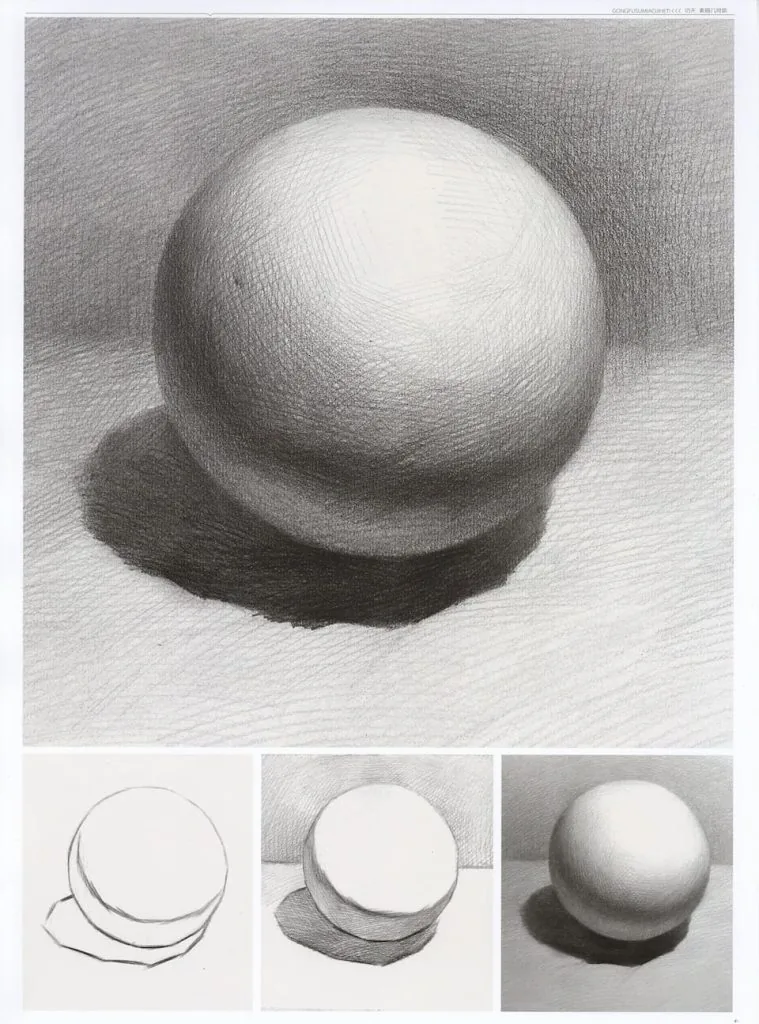
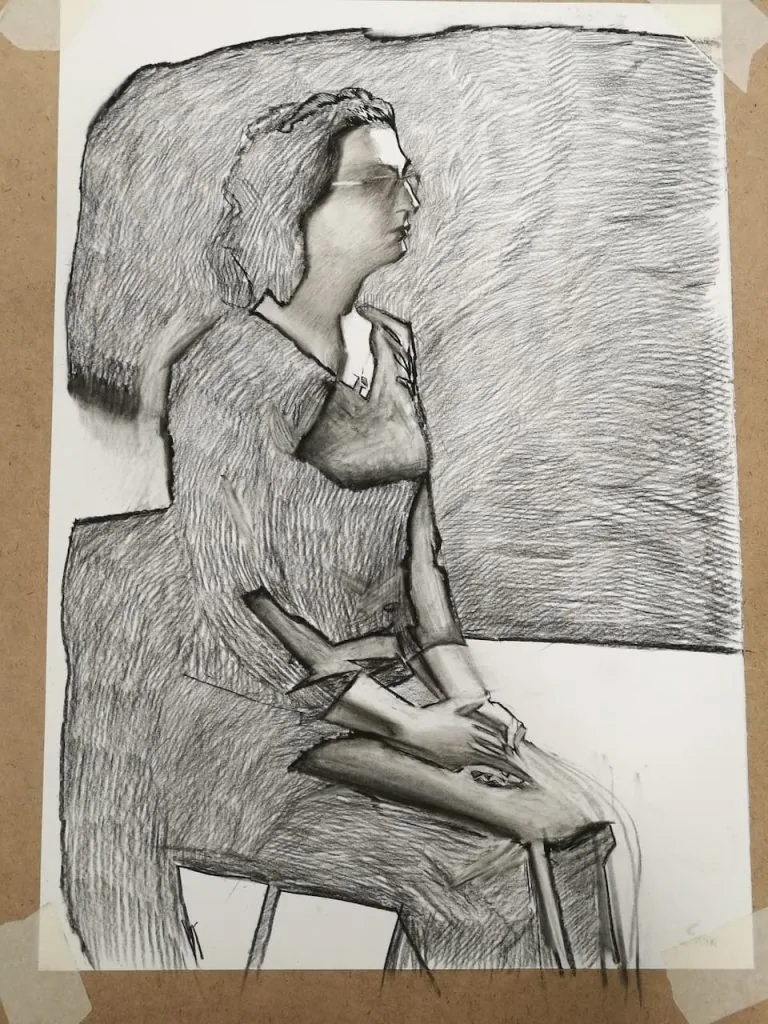
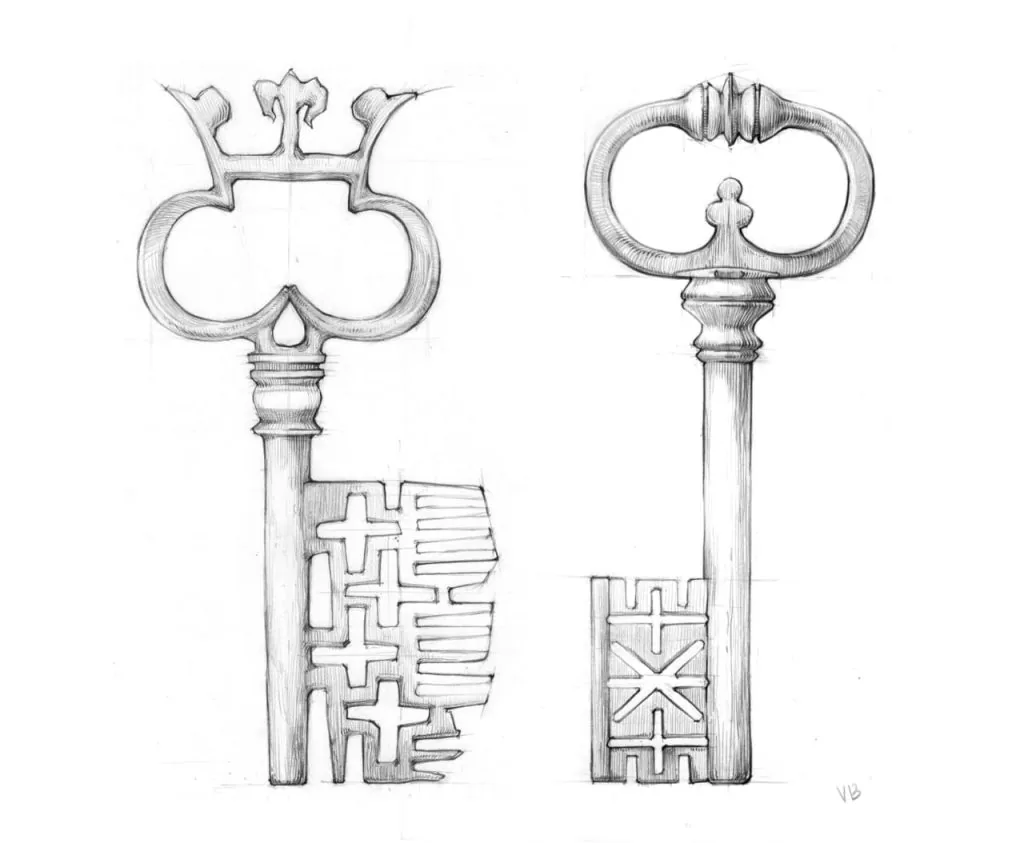 Pencil is one of the most popular tools used in academic drawing. It allows you to create realistic images, conveying the volume and texture of an object using light and shade.
The principle of drawing with a pencil is to use various shading techniques with the help of which various effects of light and shade and texture are obtained. For example, to create shadows, you can use the cross-hatching technique, and to create softer transitions between light and dark areas — the shading technique. The pencil is also very well suited for linear-constructive drawing, in which we build the structure of the volume, after which we model the volume with light and shade gradients.
To make sketches from натуры, a pencil is also needed, only it must be soft. Such a pencil allows you to create a contrasting live line very easily, controlling its degree of pressure, increasing the thickness and contrast in the right places.
Recommendation: study the cool article by our curators «drawing with a pencil for beginners».
Pencil is one of the most popular tools used in academic drawing. It allows you to create realistic images, conveying the volume and texture of an object using light and shade.
The principle of drawing with a pencil is to use various shading techniques with the help of which various effects of light and shade and texture are obtained. For example, to create shadows, you can use the cross-hatching technique, and to create softer transitions between light and dark areas — the shading technique. The pencil is also very well suited for linear-constructive drawing, in which we build the structure of the volume, after which we model the volume with light and shade gradients.
To make sketches from натуры, a pencil is also needed, only it must be soft. Such a pencil allows you to create a contrasting live line very easily, controlling its degree of pressure, increasing the thickness and contrast in the right places.
Recommendation: study the cool article by our curators «drawing with a pencil for beginners».
Linear-constructive drawing
[gallery link="none" size="large" ids="11045,11032"] The linear-constructive method focuses on the linear contours of the object to create a clear structure and shape. It is good to work with lines at the stage of searching for proportions, arrangement in the sheet, and building the shape. The linear-constructive method is also used for anatomical drawings of humans and sketches from натуры. Recommendation: study the cool article by our curators «human anatomy in drawing».Tonal drawing
[gallery link="none" size="large" ids="11041,11038,11035"] The tonal approach in drawing focuses on the transmission of tones and halftones to create volume and depth in the drawing. It uses light and shade to emphasize the volume of objects. The tonal method is widely used in creating realistic still lifes, portraits, landscapes, and other images. It allows the artist to convey light and shadow, making the drawing more voluminous. Both methods can be used together to create more complex and interesting artworks, and the choice between them depends on the artist's goals and the nature of the object being depicted. Recommendation: study the cool article by our curators «how to draw a human face».The significance of academic drawing
Academic drawing has many meanings and applications. Firstly, it is the basis for the development of artistic skills and mastery. It helps artists to develop their sense of proportion for accurate depiction of shape and proportions, understand light and shade, and perspective. Academic drawing allows artists to improve their technique and style, develop their individuality in art. In addition, academic drawing is often used for educational purposes, including the study of anatomy, architecture, and design. It develops imagination, observation, and experience, and helps to build objects correctly, convey their volume, light and shade characteristics, and texture. Academic drawing can be used as a preliminary stage before creating full-fledged works of illustration, painting, or engraving. Using it, artists can experiment with angle, composition, and texture, develop ideas for future works. Academic drawing is useful for artists, designers, architects, sculptors, and for everyone interested in visual arts.History of academic drawing
The history of drawing begins from ancient times when people began to depict scenes from hunting, figures of people and animals on cave walls to convey important information to each other, but the history of academic drawing is associated with the development of higher education in the field of visual arts. This style and method of teaching drawing became widespread in academies and art schools in Europe, especially in the XVII-XIX centuries.
- Early period: the emergence of academic drawing is associated with the ideas of classicism and the influence of the Italian Renaissance. In the Renaissance in Italy in the XV century, academies and art schools began to form, where drawing was considered an important element of education.
- Baroque and Rococo: in the XVII-XVIII centuries, academic drawing became more complex and refined under the influence of Baroque and Rococo. Artists strived for perfection in drawing, learned to depict anatomical details and express emotions.
- Academy of Fine Arts: in the XVII century, the "Academy of Fine Arts" (Académie royale de peinture et de sculpture) was founded in France, which became an important center of academic art. The Academy defined standards and rules in art, including requirements for drawing.
- Classicism: in the late XVIII century and XIX century, academic drawing became a reflection of classicism. Artists strived for perfection of form and composition, following the ideals of ancient Greek art.
- Reaction against academism: at the end of the XIX century, many artists began to oppose academic traditions, striving for new forms and styles, such as impressionism and post-impressionism.
- Gradual change: in the XX century, academic drawing became less strict and diverse. Modern art schools and academies usually provide students with more freedom in choosing styles and techniques.
Basic concepts in academic drawing
- Composition — the arrangement of elements on canvas or paper. The artist must determine which elements will be included in the work and how they will be arranged. Composition can be symmetrical or asymmetrical, and it is important to maintain its balance.
- Proportions. The artist must determine which elements will be larger and which will be smaller, and how they will relate to each other.
Proportions can be realistic or slightly distorted to create greater artistic expressiveness. To develop a sense of proportions, the artist must work a lot with nature: starting from the simplest objects (geometric figures made of plaster, still lifes with fruits, vegetables, etc.) and ending with drawing the human figure, making many sketches, noting important proportions and details that are difficult to recognize only from textbooks on plastic anatomy.
- Perspective — the ability to depict three-dimensional objects on a plane. The artist must determine which elements will be in the foreground and which will be in the background, and how they will relate to each other. Perspective can be linear or aerial.
- Light and shade — the use of light and shadow to create volume and depth in the drawing. The artist must determine where the light comes from and how it falls on the elements in the drawing. To create light and shade, you can use hatching or shading, depending on the effect we want to convey — a more realistic or stylized graphic style.
- Stroke and texture. To make the drawing more interesting, it should have different textures, they should not attract too much attention, but they well saturate and enrich the drawing. You can use different strokes, lines in different directions, dots, etc.
- Line. Lines are used to create contours and details of objects. They can be clear or soft, straight or curved, their variety allows to convey different effects and mood in the drawing.
Academic drawing with a pencil
Pencil is one of the most popular tools used in academic drawing. It allows you to create realistic images, conveying the volume and texture of an object using light and shade.
The principle of drawing with a pencil is to use various shading techniques with the help of which various effects of light and shade and texture are obtained. For example, to create shadows, you can use the cross-hatching technique, and to create softer transitions between light and dark areas — the shading technique. The pencil is also very well suited for linear-constructive drawing, in which we build the structure of the volume, after which we model the volume with light and shade gradients.
To make sketches from натуры, a pencil is also needed, only it must be soft. Such a pencil allows you to create a contrasting live line very easily, controlling its degree of pressure, increasing the thickness and contrast in the right places.
Recommendation: study the cool article by our curators «drawing with a pencil for beginners».
Mistakes that occur while working on a drawing
Mistakes that occur while working on a drawing can be associated with the wrong choice of scale, proportions, perspective, light and shade, and texture, as well as mistakes in human anatomy. It may turn out that the artist has made too many details, having worked out each section of his drawing, thereby overloading his work with information. Using a pencil of the wrong hardness can lead to the fact that the drawing will look faded or too dark. Drawing from photographs is also not a very suitable option when you are learning to draw. The fact is that photographs distort the silhouettes of objects and simplify light and shade relationships — this can lead to the fact that the drawing will look flat, and the light — unreliable, and the drawing will turn out to be crooked and unrealistic. These are some of the mistakes that can occur when working on an academic drawing. However, with the help of practice and training, these mistakes can be corrected, and the artist will create high-quality works. Studying academic drawing usually includes a certain sequence of stages, starting with mastering the basic skills and gradually moving on to more complex aspects. If you just start drawing, you can start by studying the basic elements used in academic drawing — lines, strokes, perspective, light and shade modeling of shape.Video: Why do you need to know ACADEMIC DRAWING?
Artem Bazurov, a student of the Figure-HIGH course, talks about why knowledge of academic drawing is important, even if you have chosen digital painting, 3D, or something else.A plaster head is a classic academic task. See how to draw a plaster head step by step, from composition to tone.
Related materials

Article
Frontal perspective in drawing
October 1, 2025

Article
Texture and finish in the drawing
November 15, 2024

Article
Statics and dynamics in drawing: creating mood and movement
March 24, 2025

Article
All about brushes in digital drawing
February 13, 2025

Article
Stylization in drawing
January 27, 2025

Tutorial
How to draw a crystal. Step-by-step guide for artists
March 24, 2025