
ArticleUpdated: September 6, 2026
GameDev. Who are you?
In short
A game runs from idea and prototype to release and support, and each stage brings in its own people: concept artist, 3D and 2D artists, animator, sound designer, game designer, programmer. Who is responsible for what and when they join.

2D artist
In the world of game development, every detail of the game — from majestic worlds to explosive special effects — is the fruit of creative inspiration and the hard work of talented artists. They are incredible masters who turn virtual universes from dreams into reality, giving them a unique visual appearance and style, thereby making the gaming experience exciting and неповторимым.
Let's look at the roles of artists in the game development industry and how their creativity shapes the world of gaming adventures.
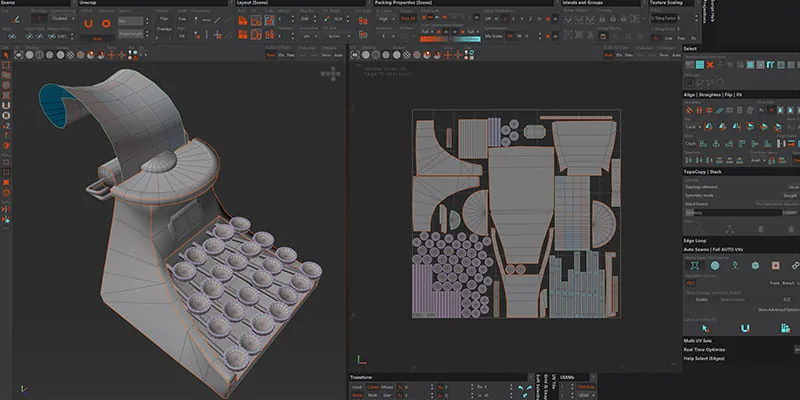 Creating a game is an exciting and multi-year journey consisting of various stages. Let's briefly review the main stages of game development.
 There are many different professions and stages of game development in the game development industry. Below are some of the main roles and stages in the process of creating video games.
 There are many different game engines that developers can use to create video games. Each of them has its own characteristics, advantages, and disadvantages. Below are some of the most popular game engines:

Stages of game creation
Creating a game is an exciting and multi-year journey consisting of various stages. Let's briefly review the main stages of game development.
Idea and concept
At this stage, the development team comes up with the main idea of the game and defines its concept — it can be something unique or innovative, or based on existing concepts. The team collects a mood board for the game and may call in a visdev artist to look at the project from the height of their experience.Design
The overall structure of the game, gameplay, mechanics, levels, characters, and story are defined. Game designers work out the game systems and mechanics in detail, which make the game unique and interesting for players.Prototyping
Creating a prototype allows the team to test the main game mechanics and concepts to determine how well they work and how they interact with each other. This helps identify potential problems and make the necessary changes before full-scale production of the game.Development
At this stage, developers create the game based on design and prototyping. This includes programming game mechanics, creating art resources (models, textures, animations), writing a script, laying out levels, and so on.Testing and debugging
After the game has been developed, it goes through a testing phase, including internal testing (within the development team) and external testing (with the participation of external testers or beta testers). At this stage, bugs and errors are found and fixed.Completion and release
After successful completion of testing, the game is prepared for release. This includes preparing copies of the game for distribution (on physical media or in digital format), advertising campaigns, and launching on the market.Support and updates
After the release of the game, the development team continues to support the game by releasing patches, updates, and additional content — this helps to fix problems found after release, improve the gaming experience, and retain players. Game development is a collective process where each stage requires the input of various specialists. Game designers come up with unique concepts and game mechanics, programmers turn these ideas into a working program, artists create visual elements that bring the game to life, sound designers add soundtracks to enhance the emotional impact, and testers check all this work for errors and problems. The interaction and coordinated work of all team members play a key role in the successful completion of the project. Each team member is important, and each makes their own unique contribution to the overall project.Who is who in game development: professions and stages of development
There are many different professions and stages of game development in the game development industry. Below are some of the main roles and stages in the process of creating video games.
Game Design
- Game Designer (game designer) is responsible for creating a unique game concept, engaging gameplay, interesting mechanics, and the structure of game levels.
- Narrative Designer (narrative designer) lovingly creates the plot, characters, and dialogues in the game.
- Level Designer (level designer) creates maps and terrains for game levels.
- Systems Designer (game systems designer) is responsible for creating game mechanics, economic systems, and balancing the gameplay.
Programming
- Game Programmer (game programmer) writes game code, implements game mechanics, algorithms, and systems.
- AI Programmer (AI programmer) develops artificial intelligence systems for characters and opponents in the game.
- Network Programmer (network programmer) works on the implementation of multiplayer modes and network games.
Art
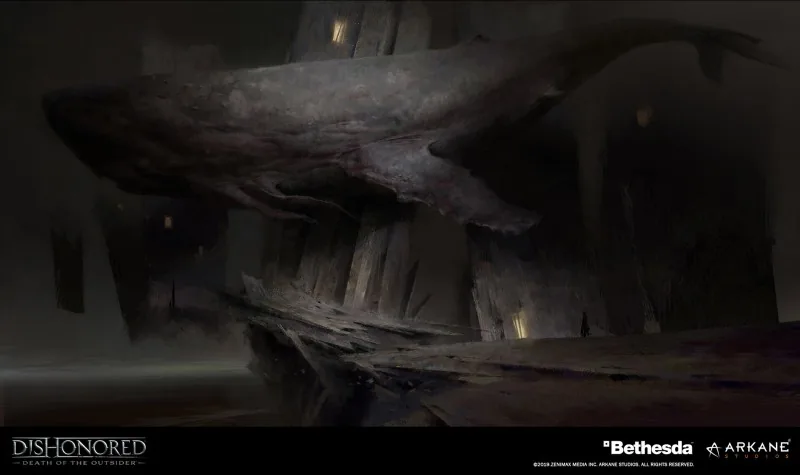
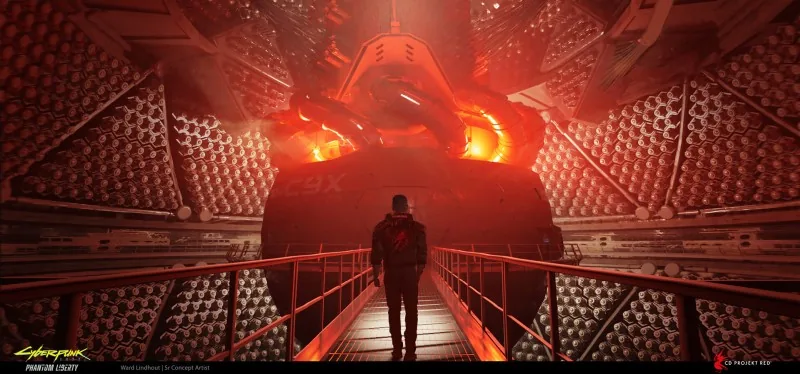
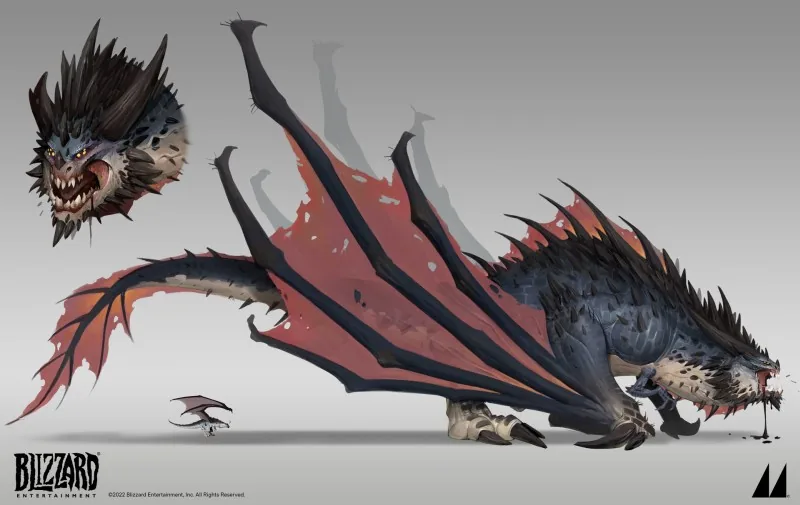
- Concept Artist (concept artist) is a wizard who creates unique concepts of characters, architecture, and the entire game world.
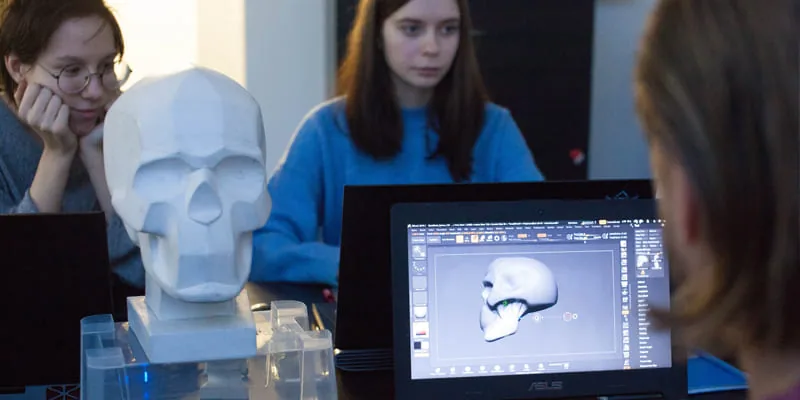
- 3D Artist (3D artist) models and animates characters, objects, and landscapes in three-dimensional space.
- 2D Artist (2D artist) creates sprites, textures, and game interfaces, as well as icons.
- Animator (animator) creates animations for characters and objects.
Sound
- Sound Designer (sound designer) creates sound effects and soundtracks for the game.
- Composer (composer) writes music for the game.
Testing and debugging
- Quality Assurance Tester (tester) checks the game for errors, bugs, and flaws.
- Debugging Specialist (debugging specialist) fixes errors and problems in the code and game systems.
Producing
Producer (producer) coordinates the work of the development team, manages the budget and development time, and ensures that the project goals are met. These are just some of the key roles and stages in video game development. The size and structure of the team may vary depending on the scale of the project and its specific needs. Let's take a closer look at artists and their direct tasks.Concept Artist (Concept Artist)
- Concept creation: concept artists are responsible for creating initial concepts of characters, terrain, architecture, and other important elements of the game. They will do their best to visualize the idea of the game, taking into account its theme, mood, and atmosphere.
- Style research: help determine the artistic style of the game, which may include realistic graphics, stylized images, or pixel art.
- Character development: create character concepts, including their appearance, clothing, attributes, and characteristics, to help 3D artists create three-dimensional models.
3D Artist (3D Artist)
- Modeling: 3D artists create three-dimensional models of characters, objects, and terrain based on concept art. They can use specialized programs such as Blender, Maya, or 3ds Max to create models.
- Texturing: after creating models, artists work on applying textures to give objects a realistic look. This may include creating high-resolution textures and applying them to models.
- Animation: 3D artists are also responsible for creating animations for characters and objects — creating skeletal animations, movement animations, and other actions.
2D Artist (2D Artist)
- Sprite creation: 2D artists create two-dimensional images that are used in game environments, such as characters, backgrounds, objects, and interface elements.
- Texturing and drawing interfaces: they can also work on texturing objects in the game and creating user interfaces, such as menus, buttons, and indicators.
Animator (Animator)
- Animation creation: animators work on creating movements and animations for characters and objects in the game. This may include walking, running, attacking, jumping, and other actions.
- Implementation of animations: they integrate the created animations into the game engine so that they can be used in real time in the game.
Roles in the game development process
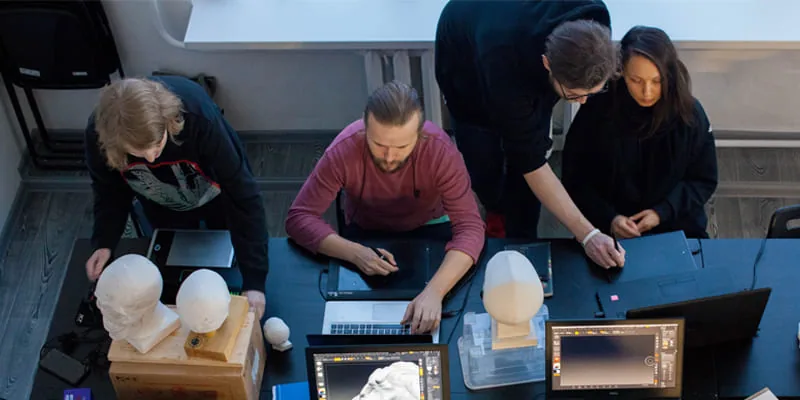
Game Designer (Game Designer)
The game designer is responsible for creating the game concept and defining its main characteristics, such as gameplay, goals, and mechanics. He develops game levels, creates documentation describing game mechanics and interactions. The game designer also participates in testing the game and analyzing feedback from players to constantly improve the gameplay.Programmer (Programmer)
The programmer writes game code using various programming languages and development tools. He is responsible for implementing game mechanics, creating character control systems, artificial intelligence, network functionality, and other technical aspects of the game. The programmer is also responsible for optimizing code and fixing bugs during the game development process.Artist (Artist)
The artist creates visual elements of the game, such as characters, terrain, objects, and interface. He develops concept art that visualizes the ideas of the game, as well as creates textures, 2D and 3D models, animations, and sprites. The artist determines the appearance and style of the game, ensuring its uniqueness and attractiveness to players.Sound Designer (Sound Designer)
The sound designer creates the soundtrack of the game, including sound effects, music, and character dialogues. He works on recording, editing, and processing sounds to create the atmosphere and mood of the game. The sound designer also integrates sound effects into the game engine and adjusts their interaction with game events.Writer (Writer)
The writer is responsible for creating the plot, dialogues, characters, and game quests. He develops the overall story of the game, determines the motivations and characters of the characters, and writes texts for cut-scenes, missions, and quests. The writer works closely with game designers and artists to ensure consistency and integrity of the game world.Tester (Tester)
The tester checks the game for errors, bugs, flaws, and malfunctions in the gameplay. He tests various aspects of the game, including gameplay, control, animation, sound, and compatibility with different platforms. The tester provides feedback to developers to fix errors and improve the quality of the game.Producer (Producer)
The producer coordinates the work of all members of the development team and ensures that the deadlines and budget of the project are met. He is responsible for planning, control, and management of the game development process, as well as solving organizational and production issues. The producer also ensures communication and collaboration between different departments and stakeholders. Each of these roles has its own unique responsibilities and tasks that they must perform. These can be different types of activities — from developing an idea to implementing the final product. The importance of their interaction cannot be overestimated, as their joint work is necessary for the successful completion of the project. Creating a quality game is a complex process that requires careful planning, coordination, and cooperation between different team members.Engines for game development
There are many different game engines that developers can use to create video games. Each of them has its own characteristics, advantages, and disadvantages. Below are some of the most popular game engines:
Unity
Unity is one of the most popular and widespread game engines. It supports the development of games for various platforms, including PCs, consoles, mobile devices, and virtual reality. Unity has an easy-to-use interface and many tools for creating games of any genre and level of complexity.Unreal Engine
Unreal Engine from Epic Games is also one of the leading game engines. It has high graphic power and supports the creation of large AAA projects. Unreal Engine provides access to a variety of ready-made resources, as well as has its own visual material editor and Blueprints visual scripting system.CryEngine
CryEngine was originally developed to create games with stunning graphics. It has high display quality and includes powerful tools for developing game mechanics. CryEngine allows you to create realistic game worlds and effects and has good support for virtual reality.Godot Engine
Godot Engine is a free and open-source game engine with an active developer community. It supports many platforms and programming languages, including C#, C++ and GDScript. Godot Engine has an intuitive interface and powerful tools for creating 2D and 3D games.GameMaker Studio
GameMaker Studio provides easy-to-use tools for creating 2D games without the need for programming. It supports exporting games to various platforms, including PCs, mobile devices, and consoles. GameMaker Studio is ideal for novice developers and small teams who want to quickly create prototypes and games with minimal cost. Each of the engines presented has its own unique features, which makes them suitable for different types of game projects and various development goals. Some of them are ideal for creating complex three-dimensional worlds, while others are great for creating simple two-dimensional games. Choosing the right game engine ultimately depends on many factors, including the specific needs of the development team, their previous experience with similar technologies, as well as the technical capabilities and resources they can allocate to the project.Popular professions in the gaming industry for artists
Visual Development Artist (Visual Development Artist)
This artist starts work at an early stage of the project, usually before the active stage of game creation begins. Using their unique creative abilities and skills, they carefully and meticulously develop ideas and concepts for game design. Their responsibilities include creating a wide range of visual materials — this may include sketches, detailed illustrations, artworks, carefully thought-out models, and other visual materials. When a general visual concept is defined, a concept artist transforms abstract ideas into concrete images. He creates detailed concepts of characters, местности, objects, and other elements of the game, taking into account design and gameplay requirements. Concept arts help the team understand what different parts of the game will look like and become the starting point for creating final models and textures.Character Artist (character artist)
Related courses
All courses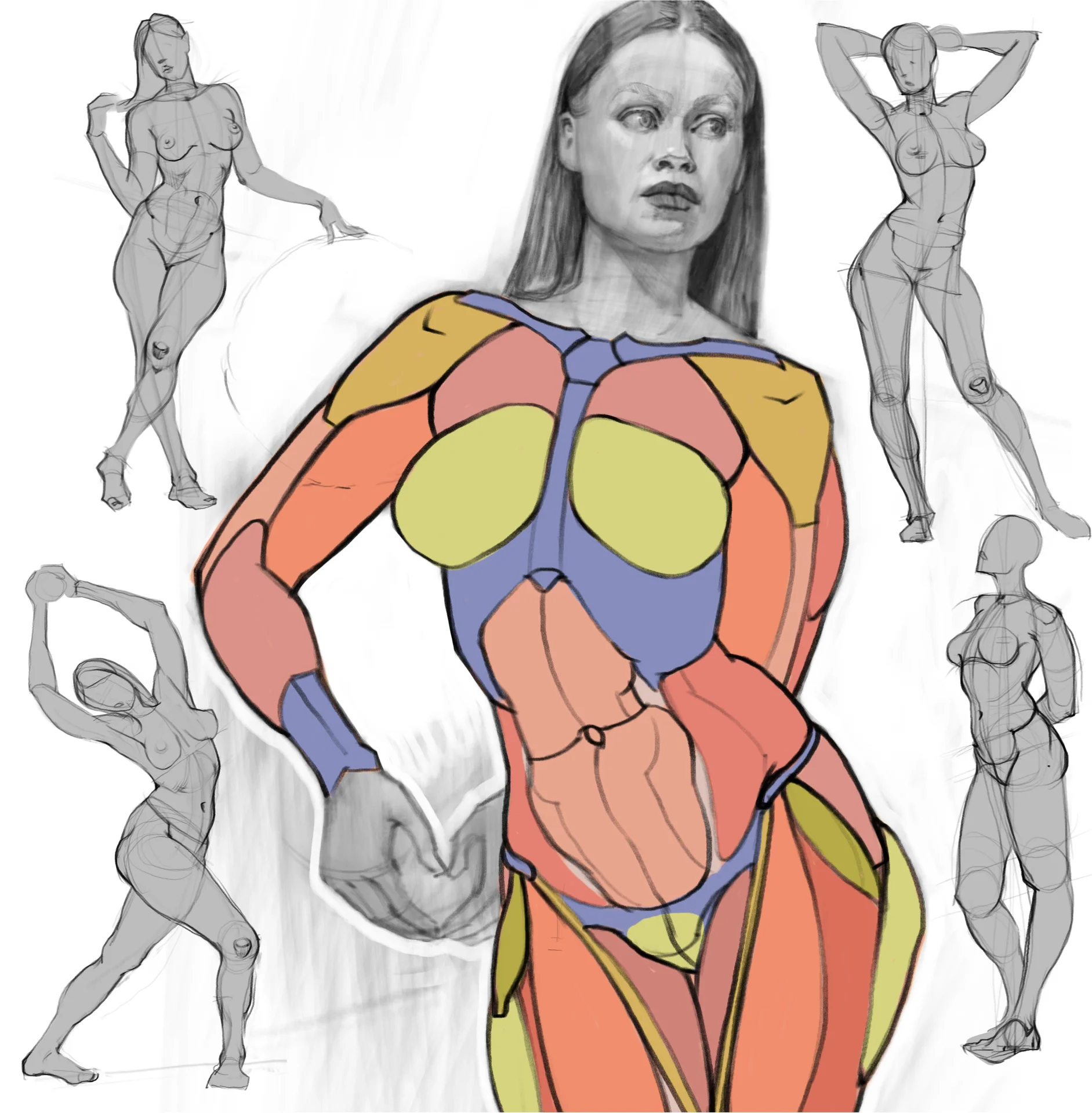
from 3 750 ₽
-25%
My first figure
5 000 ₽3 750 ₽
Learn more

from 4 950 ₽
-45%
Book illustration: The first page
9 000 ₽4 950 ₽
Learn more
from 4 950 ₽
-45%
Prop concept: render and atmosphere
9 000 ₽4 950 ₽
Learn more
A character artist specializes in creating three-dimensional character models based on concept arts created by a concept artist. He creates high-quality character models, including their textures, materials, and animations. These models will then be used in the game to interact with the game world and other characters.
 In the process of developing computer games, a variety of programming languages are used. The choice of a specific language depends on many factors, including the platform on which the game is planned to be released, as well as the chosen game engine and development tools. Developers must take into account all these aspects to choose the most suitable language for their project.
Here is a list of some of the most popular and frequently used programming languages in the game development industry:
In the process of developing computer games, a variety of programming languages are used. The choice of a specific language depends on many factors, including the platform on which the game is planned to be released, as well as the chosen game engine and development tools. Developers must take into account all these aspects to choose the most suitable language for their project.
Here is a list of some of the most popular and frequently used programming languages in the game development industry:
 Time Management — games where the player manages a business or restaurant by completing various tasks within a limited time.
Examples: Diner Dash, Cook, Serve, Delicious!.
Endless Runner — games where the character automatically runs forward, and the player must avoid obstacles and collect bonuses.
Examples: Temple Run, Subway Surfers.
Time Management — games where the player manages a business or restaurant by completing various tasks within a limited time.
Examples: Diner Dash, Cook, Serve, Delicious!.
Endless Runner — games where the character automatically runs forward, and the player must avoid obstacles and collect bonuses.
Examples: Temple Run, Subway Surfers.
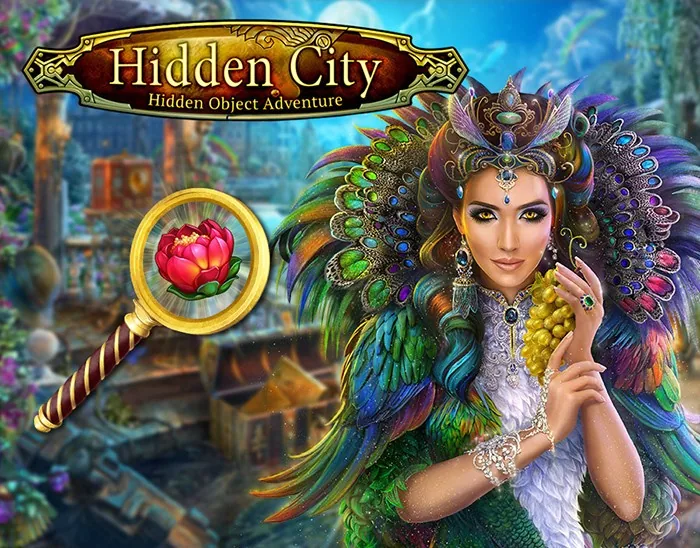
 Hidden Object — games where the player searches for hidden objects in images.
Examples: Mystery Case Files, Hidden City.
Hidden Object — games where the player searches for hidden objects in images.
Examples: Mystery Case Files, Hidden City.
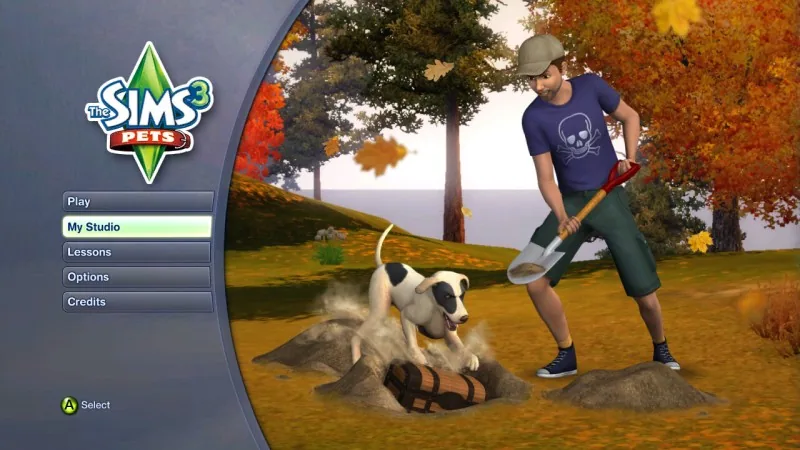
 Simulator Games — games that simulate real processes or situations. It can be a life simulator, a car simulator, a farmer simulator, etc.
Examples: The Sims, Euro Truck Simulator.
Simulator Games — games that simulate real processes or situations. It can be a life simulator, a car simulator, a farmer simulator, etc.
Examples: The Sims, Euro Truck Simulator.
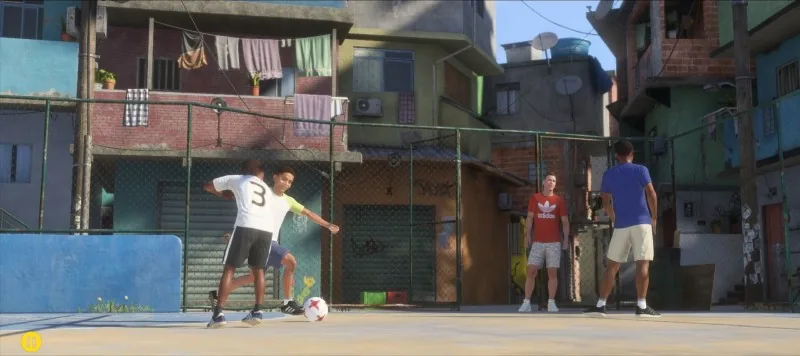
 Sports Games — games that mimic various sports such as football, basketball, hockey, etc.
Examples: FIFA, NBA 2K, Madden NFL.
Sports Games — games that mimic various sports such as football, basketball, hockey, etc.
Examples: FIFA, NBA 2K, Madden NFL.
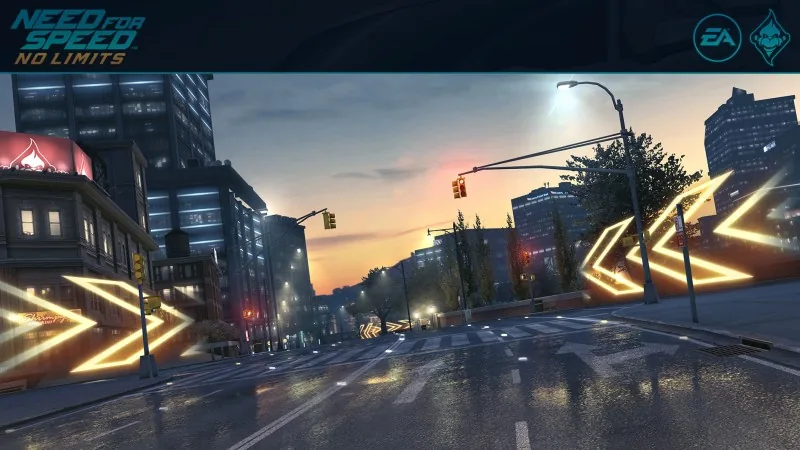
 Racing Games — games where the player controls a vehicle and competes with other players or the computer. Can be arcade or simulation.
Examples: Need for Speed, Forza Horizon, Mario Kart.
Racing Games — games where the player controls a vehicle and competes with other players or the computer. Can be arcade or simulation.
Examples: Need for Speed, Forza Horizon, Mario Kart.
 Roguelike Games — games with randomly generated levels where the death of the character means the beginning of the game all over again.
Examples: The Binding of Isaac, Enter the Gungeon.
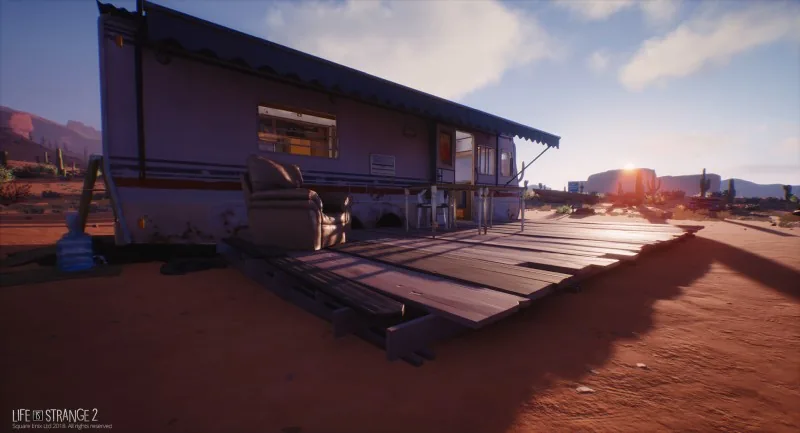
Interactive Narrative Games — games where the gameplay focuses on storytelling and decision-making that affects the plot.
Examples: Life is Strange, The Walking Dead: The Telltale Series.
Roguelike Games — games with randomly generated levels where the death of the character means the beginning of the game all over again.
Examples: The Binding of Isaac, Enter the Gungeon.
Interactive Narrative Games — games where the gameplay focuses on storytelling and decision-making that affects the plot.
Examples: Life is Strange, The Walking Dead: The Telltale Series.
 Open World Games
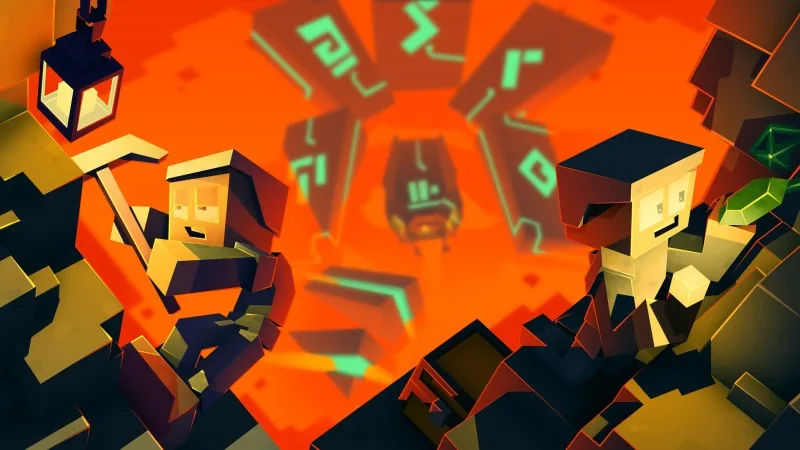
Sandbox Games — games where the player is given freedom of action in a virtual world, without clear goals or tasks.
Examples: Minecraft, Terraria.
Open World Games
Sandbox Games — games where the player is given freedom of action in a virtual world, without clear goals or tasks.
Examples: Minecraft, Terraria.
 Survival Games — games where the player fights for survival in dangerous conditions, collecting resources and building defensive structures.
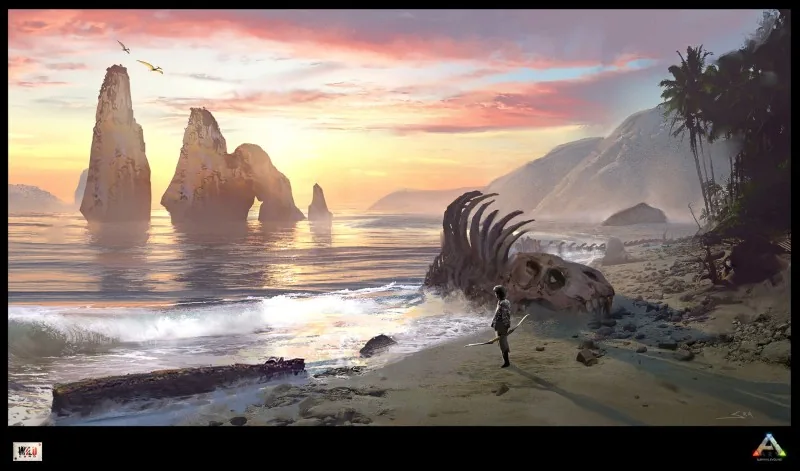
Examples: ARK: Survival Evolved, Rust.
Survival Games — games where the player fights for survival in dangerous conditions, collecting resources and building defensive structures.
Examples: ARK: Survival Evolved, Rust.
 In fact, there are many more types and subtypes of games! I listed the main ones. Each of these types has its own unique features, mechanics, and style that attract a certain audience of players.
 Nowadays, computer games occupy a significant place in public life, influencing many aspects of everyday activities and culture. They are not just entertainment, but also a way of communication, learning, and an important element of culture.
Here are several key aspects that reflect the role and significance of computer games in modern society:
Nowadays, computer games occupy a significant place in public life, influencing many aspects of everyday activities and culture. They are not just entertainment, but also a way of communication, learning, and an important element of culture.
Here are several key aspects that reflect the role and significance of computer games in modern society:
 Games can be classified by genre, platform, game process structure, and others. Here are some of the main ways to classify games.
 For an artist who wants to learn game development, the first step is to determine the profession in this field that is most interesting and suitable for him.
After choosing a profession, you should assess your current skills and knowledge in this area. It is important to understand what skills you need to develop to become successful in your chosen profession. Then you can choose the appropriate training resources — courses, online lessons, books or practical exercises to deepen your knowledge and skills in the chosen field of game development.
For artists who want to explore game development, there are many specialized courses that will help to develop skills in creating graphics for games.
Here are some tips on how to start learning on courses for artists:
For an artist who wants to learn game development, the first step is to determine the profession in this field that is most interesting and suitable for him.
After choosing a profession, you should assess your current skills and knowledge in this area. It is important to understand what skills you need to develop to become successful in your chosen profession. Then you can choose the appropriate training resources — courses, online lessons, books or practical exercises to deepen your knowledge and skills in the chosen field of game development.
For artists who want to explore game development, there are many specialized courses that will help to develop skills in creating graphics for games.
Here are some tips on how to start learning on courses for artists:
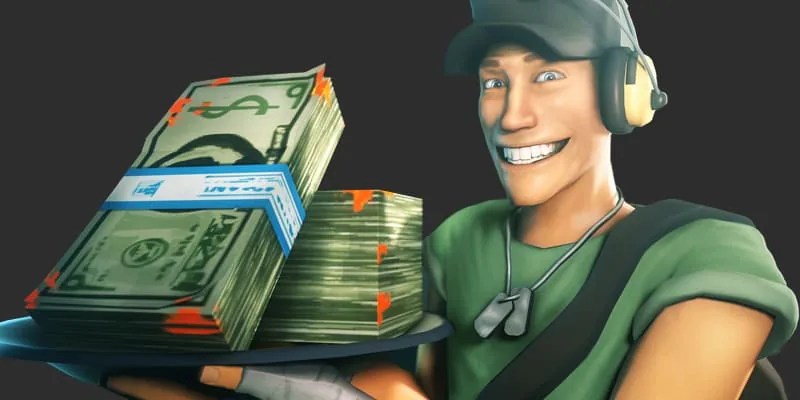 Let's look at different options how artists in game development can make money:
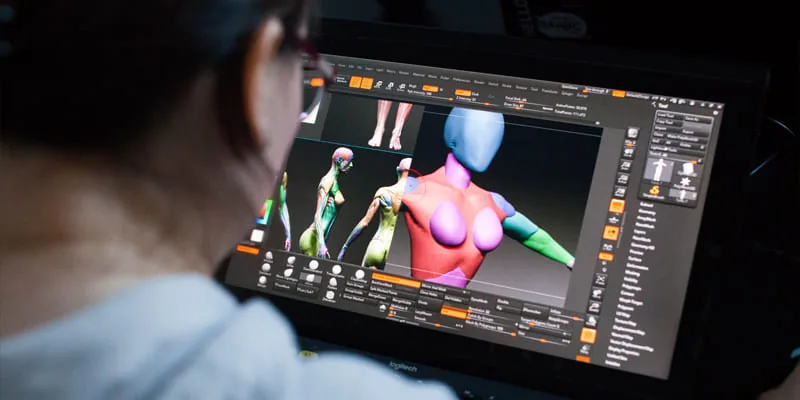 Work in the gaming industry can provide many opportunities for professional growth and creative development.
Here are some major gaming companies with examples of their famous games:
Nintendo is known for its game consoles such as Nintendo Switch, and game series such as Super Mario, The Legend of Zelda and Pokémon.
Sony Interactive Entertainment is the publisher of PlayStation and the creator of franchises Uncharted, God of War, The Last of Us, and Gran Turismo.
Work in the gaming industry can provide many opportunities for professional growth and creative development.
Here are some major gaming companies with examples of their famous games:
Nintendo is known for its game consoles such as Nintendo Switch, and game series such as Super Mario, The Legend of Zelda and Pokémon.
Sony Interactive Entertainment is the publisher of PlayStation and the creator of franchises Uncharted, God of War, The Last of Us, and Gran Turismo.
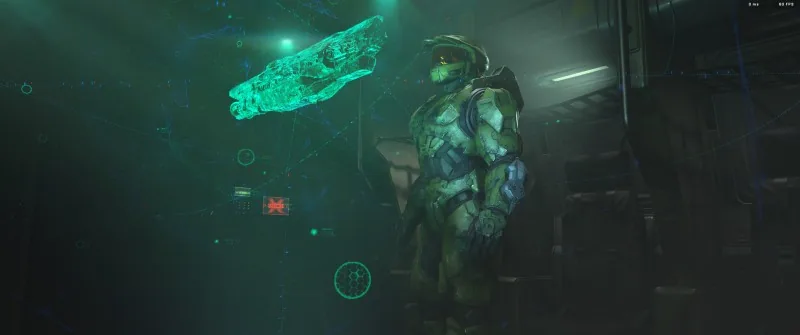
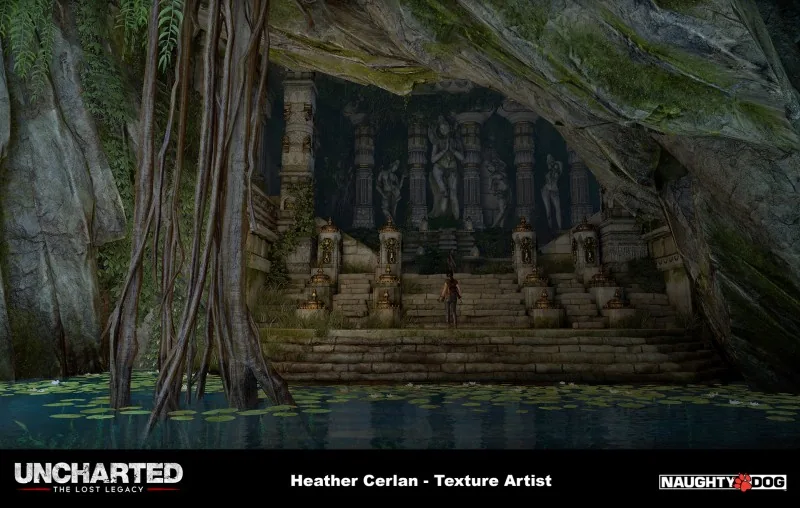 Microsoft Studios (now Xbox Game Studios) are known for their Xbox exclusives: Halo, Gears of War, Forza Motorsport and Minecraft.
 Electronic Arts (EA) is one of the largest game publishers in the world and has franchises such as FIFA, Madden NFL, Battlefield, and The Sims in its arsenal.
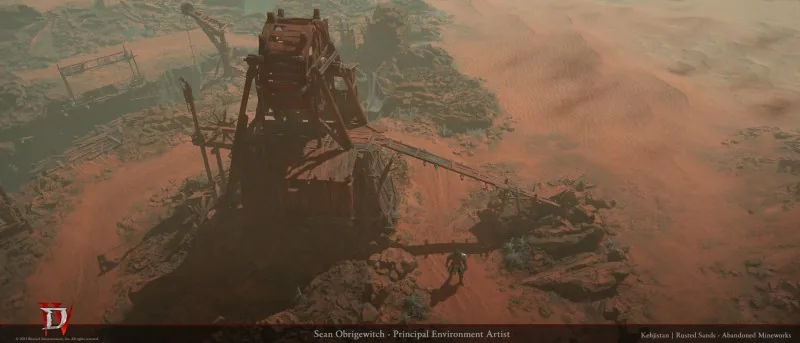
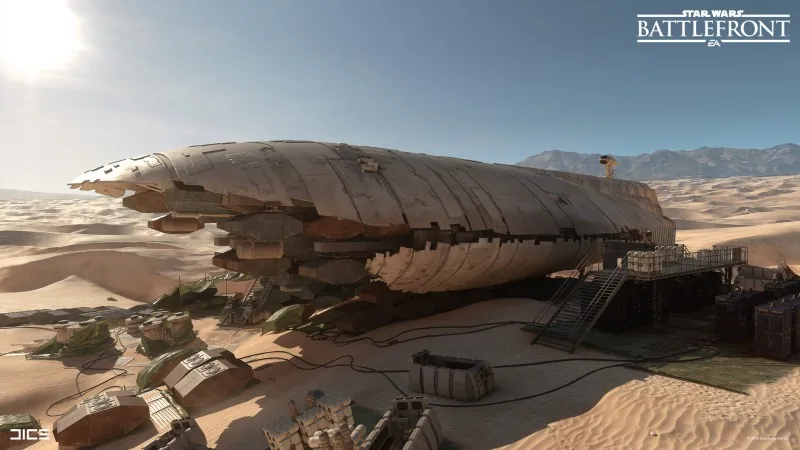 Activision Blizzard is known for games such as Call of Duty, World of Warcraft, Diablo, Overwatch and Hearthstone.
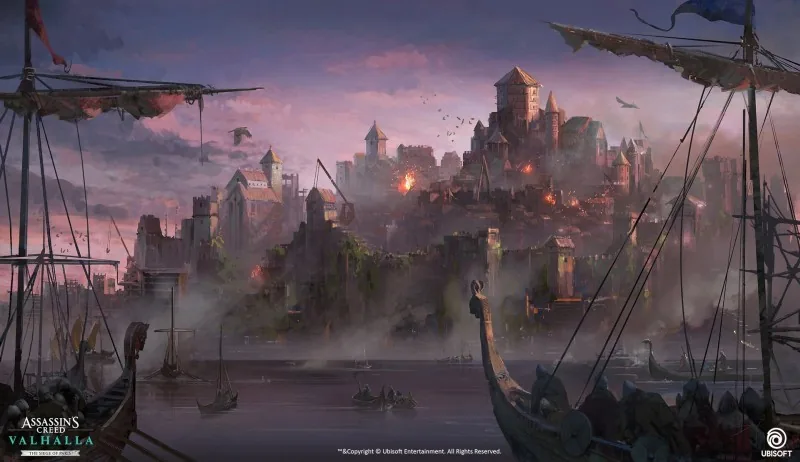
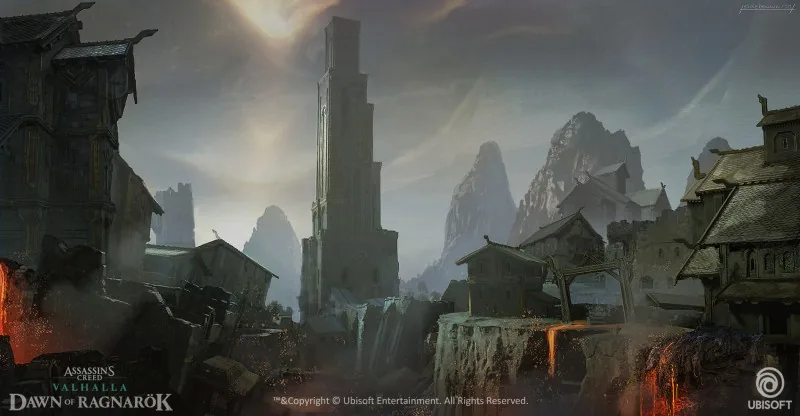
 Ubisoft is a well-known French developer and publisher of games with franchises Assassin's Creed, Far Cry, Watch Dogs and Tom Clancy's series.
 Square Enix is known for its Japanese role-playing games Final Fantasy, Kingdom Hearts and Dragon Quest, as well as the Tomb Raider and Deus Ex series.
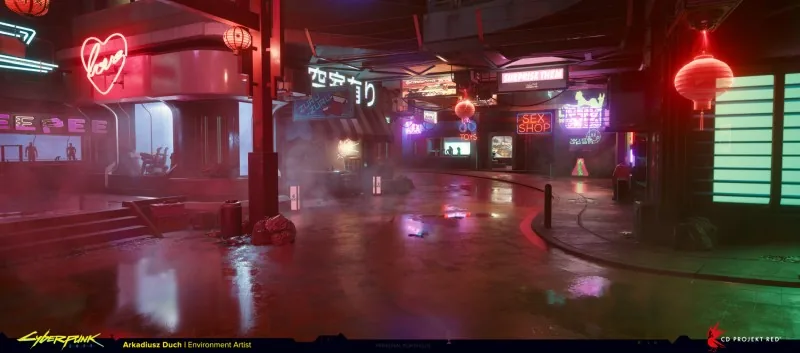
CD Projekt Red is a Polish game developer that became popular after creating The Witcher and Cyberpunk 2077 games.
Square Enix is known for its Japanese role-playing games Final Fantasy, Kingdom Hearts and Dragon Quest, as well as the Tomb Raider and Deus Ex series.
CD Projekt Red is a Polish game developer that became popular after creating The Witcher and Cyberpunk 2077 games.
 And these are Russian game development companies:
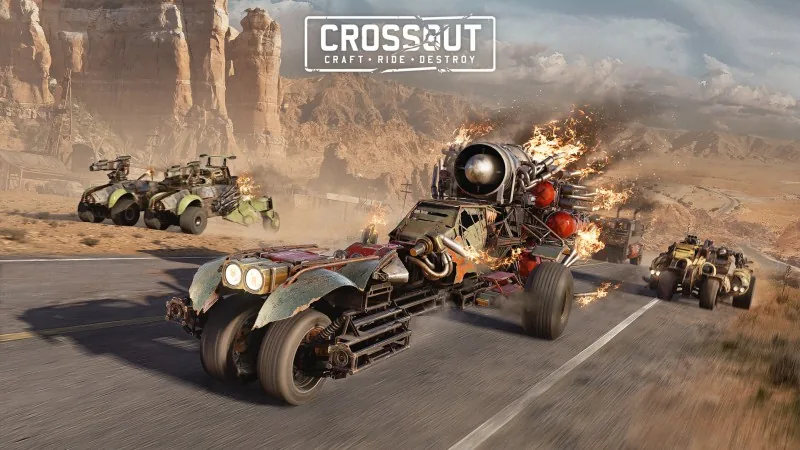
Gaijin Entertainment is known for its game War Thunder, an online multiplayer military simulator, as well as Crossout and Star Conflict games.
And these are Russian game development companies:
Gaijin Entertainment is known for its game War Thunder, an online multiplayer military simulator, as well as Crossout and Star Conflict games.
 Nival is one of the oldest game developers in Russia and is known for the games in the Heroes of Might and Magic series, Blitzkrieg, and Prime World.
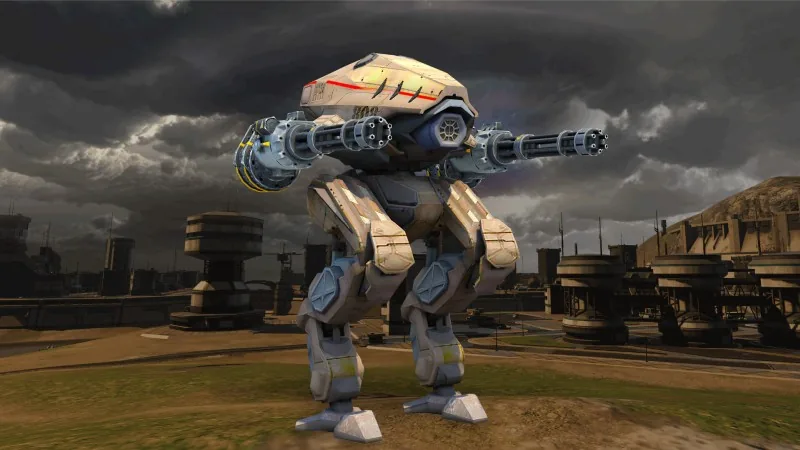
Mail.ru Group owns game studios My.com and Pixonic. They are known for the games World of Tanks, Warface and War Robots.
Nival is one of the oldest game developers in Russia and is known for the games in the Heroes of Might and Magic series, Blitzkrieg, and Prime World.
Mail.ru Group owns game studios My.com and Pixonic. They are known for the games World of Tanks, Warface and War Robots.
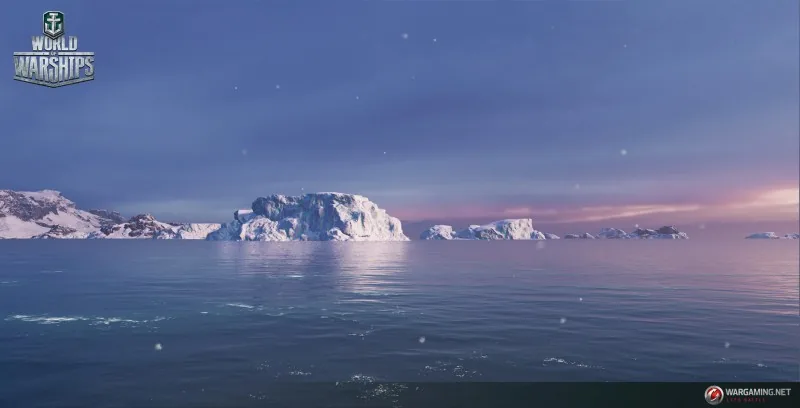
 Wargaming, founded in Belarus, has a Russian division and is known for its game World of Tanks, as well as World of Warships and World of Warplanes.
 GSC Game World is known for its game S.T.A.L.K.E.R.: Shadow of Chernobyl, a post-apocalyptic first-person shooter, as well as Fort Zombie and Cossacks.
Ice-Pick Lodge is an independent studio that developed the unusual and art-oriented game Pathologic, as well as The Void and Knock-Knock.
1C Company is a publisher and developer of games, including the King's Bounty series, Men of War, and IL-2 Sturmovik.
ZeptoLab is the creator of the popular Cut the Rope, King of Thieves and CATS: Crash Arena Turbo Stars game series.
GSC Game World is known for its game S.T.A.L.K.E.R.: Shadow of Chernobyl, a post-apocalyptic first-person shooter, as well as Fort Zombie and Cossacks.
Ice-Pick Lodge is an independent studio that developed the unusual and art-oriented game Pathologic, as well as The Void and Knock-Knock.
1C Company is a publisher and developer of games, including the King's Bounty series, Men of War, and IL-2 Sturmovik.
ZeptoLab is the creator of the popular Cut the Rope, King of Thieves and CATS: Crash Arena Turbo Stars game series.
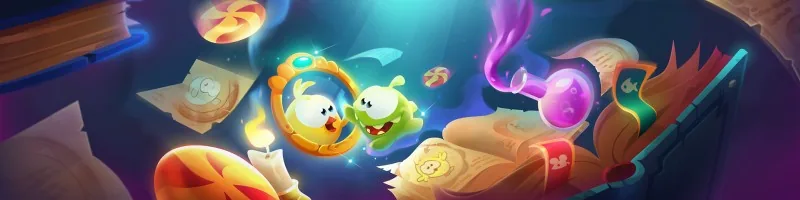 Owl Studio created the game The Uncertain: Last Quiet Day, an adventure quest in an alternative reality where players explore a world populated by robots.
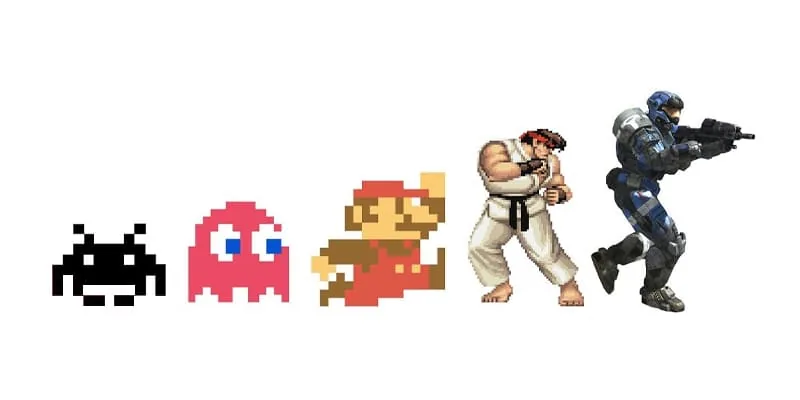 The evolution of the gaming industry has been an exciting and dynamic process that has undergone significant changes over decades. Here are some key stages of this evolution:
Prop Artist (prop artist)
The prop artist creates models of objects, scenery, and attributes in the game. These can be elements such as furniture, weapons, vehicles, and other objects that enrich the game world and make it more realistic.Environment Artist (environment artist)
The environment artist is responsible for creating game locations and environments. He uses concept arts to model and texture various elements such as landscapes, buildings, plants, and scenery. The result of his work is beautiful and attractive game worlds that capture the imagination of players.UI/UX Artist (UI/UX artist)
The interface and user experience artist creates graphic elements that ensure ease of use and understanding of the game interface. This includes buttons, icons, menus, dashboards, and other elements that help players interact with the game. He is also responsible for ensuring that the interface is stylish and matches the overall aesthetics of the game. Each of these professions plays a key role in creating the visual aspect of the game. The entire process begins with the generation of an idea and the development of a concept that underlies graphic design — this stage is fundamental, as the overall visual style and atmosphere of the game depend on it. Then follows the process of implementing graphic elements and interface. The quality of these elements largely determines the attractiveness of the game for players. After all, it is thanks to high-quality graphics and interface that the game becomes not only interesting, but also увлекательной, which allows you to keep the attention of players for a long time.In which languages games are written
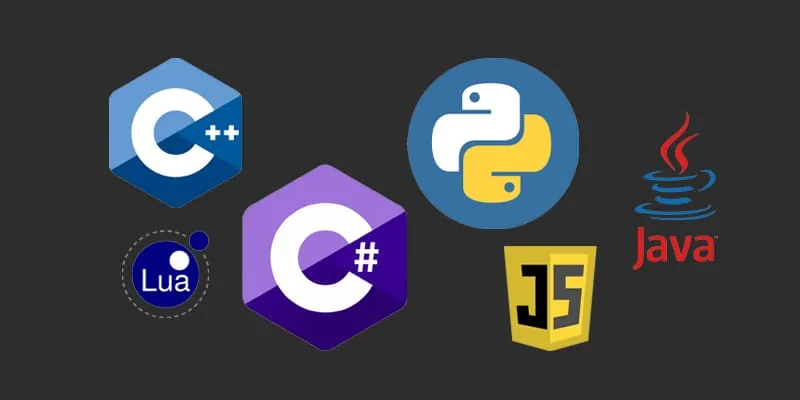
In the process of developing computer games, a variety of programming languages are used. The choice of a specific language depends on many factors, including the platform on which the game is planned to be released, as well as the chosen game engine and development tools. Developers must take into account all these aspects to choose the most suitable language for their project.
Here is a list of some of the most popular and frequently used programming languages in the game development industry:
C++
C++ is one of the most common programming languages in the gaming industry. It is widely used for developing games on various platforms, including PCs, consoles, and mobile devices. Many game engines, such as Unreal Engine and Unity, use C++ for developing the engine core and low-level components.C#
C# is also a popular programming language for creating games, especially for games on the Windows platform and using the Unity game engine. Unity provides support for C# as the main programming language for creating game scenes and scripts.Java
Java is widely used for developing mobile games on the Android platform. Android Studio and other game development tools for Android provide the ability to use Java to create game applications.Python
Python is used in various aspects of game development, including creating tools, scripting, and developing game servers. It is also used in various tools and libraries, such as Pygame, for developing 2D games.JavaScript
JavaScript is often used to create web games, as well as to develop game clients and interfaces for online games. It can also be used to develop games on the HTML5 platform.Lua
Lua is a scripting language that is often used for programming game logic and scripts in games. It is common in game engines such as Corona SDK and Defold, as well as in some open-source games.What types of games exist
Casual games
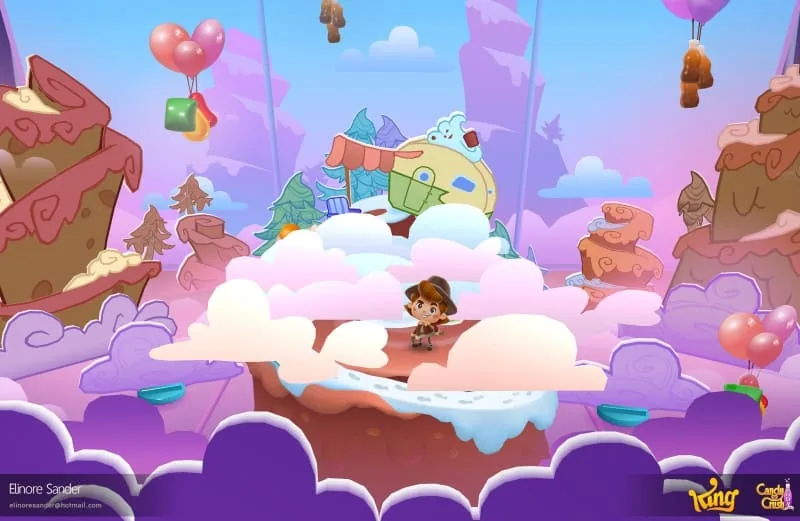
Match-3 — games where the player needs to connect three or more identical elements to make them disappear from the playing field. Examples: Candy Crush Saga, Bejeweled.
Time Management — games where the player manages a business or restaurant by completing various tasks within a limited time.
Examples: Diner Dash, Cook, Serve, Delicious!.
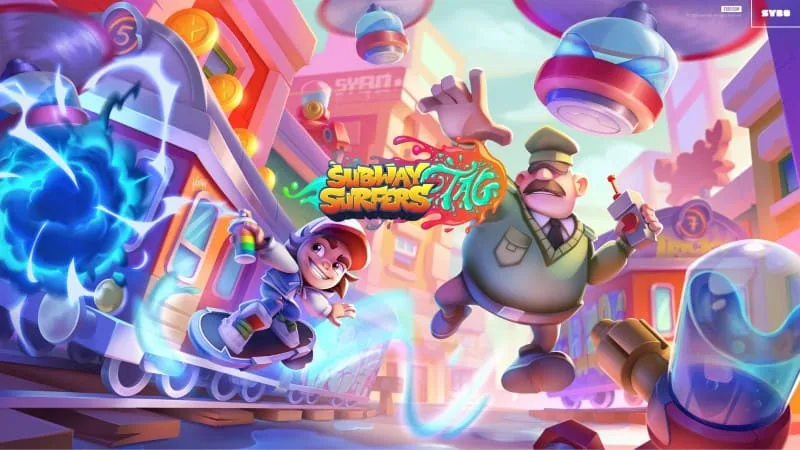
Endless Runner — games where the character automatically runs forward, and the player must avoid obstacles and collect bonuses.
Examples: Temple Run, Subway Surfers.
Hidden Object — games where the player searches for hidden objects in images.
Examples: Mystery Case Files, Hidden City.
Realistic games
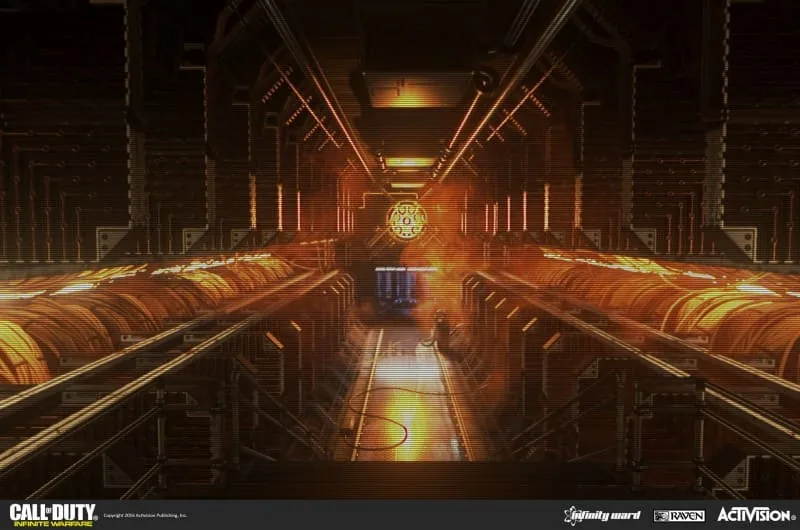
Shooter Games — games where the player controls a character and shoots enemies with various weapons. Can be from first or third person. Examples: Call of Duty, Counter-Strike.
Simulator Games — games that simulate real processes or situations. It can be a life simulator, a car simulator, a farmer simulator, etc.
Examples: The Sims, Euro Truck Simulator.
Sports Games — games that mimic various sports such as football, basketball, hockey, etc.
Examples: FIFA, NBA 2K, Madden NFL.
Racing Games — games where the player controls a vehicle and competes with other players or the computer. Can be arcade or simulation.
Examples: Need for Speed, Forza Horizon, Mario Kart.
Indie games
Platformer Games — games where the player controls a character who overcomes various obstacles and jumps from platform to platform. Examples: Celeste, Super Meat Boy, Ori.
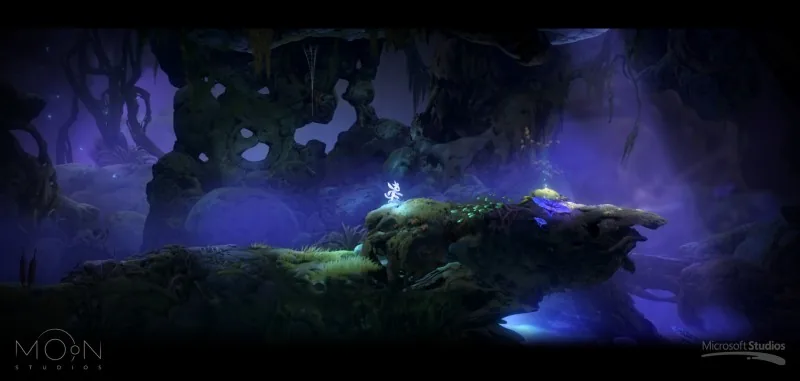
Roguelike Games — games with randomly generated levels where the death of the character means the beginning of the game all over again.
Examples: The Binding of Isaac, Enter the Gungeon.
Interactive Narrative Games — games where the gameplay focuses on storytelling and decision-making that affects the plot.
Examples: Life is Strange, The Walking Dead: The Telltale Series.
Open World Games
Sandbox Games — games where the player is given freedom of action in a virtual world, without clear goals or tasks.
Examples: Minecraft, Terraria.
Survival Games — games where the player fights for survival in dangerous conditions, collecting resources and building defensive structures.
Examples: ARK: Survival Evolved, Rust.
In fact, there are many more types and subtypes of games! I listed the main ones. Each of these types has its own unique features, mechanics, and style that attract a certain audience of players.
Computer games in the modern world
Nowadays, computer games occupy a significant place in public life, influencing many aspects of everyday activities and culture. They are not just entertainment, but also a way of communication, learning, and an important element of culture.
Here are several key aspects that reflect the role and significance of computer games in modern society:
- Entertainment and leisure. Computer games certainly occupy a special place in the modern world of entertainment, attracting millions of people around the world. They represent a unique combination of technology, art, and interactivity, offering a great variety of game worlds, intriguing tasks, and exciting adventures.
- Socialization and communication. Many computer games provide the opportunity to play together with friends or other players online — this contributes to socialization, communication, and strengthening ties between people, especially in the modern world, where many contacts occur via the Internet.
- Learning and skill development. Some computer games have educational potential and can contribute to the development of skills such as logical thinking, strategic planning, cooperation, and teamwork. They can be used as tools for learning and self-education.
- Professional industry. The gaming industry has become one of the largest and most profitable in the world. The development and release of computer games create many jobs and contribute to the economic development of various countries.
- Cultural influence. Computer games have become part of modern culture and have a significant impact on music, cinema, literature, and other areas of art. They become the object of study and discussion in academic circles, and also influence the formation of cultural preferences and tastes.
- Virtual reality and augmented reality. In recent years, virtual reality (VR) and augmented reality (AR) technologies have become popular. They allow players to immerse themselves in game worlds and interact with them more intensively, which opens up new perspectives for the development of the gaming industry.
Classification of games
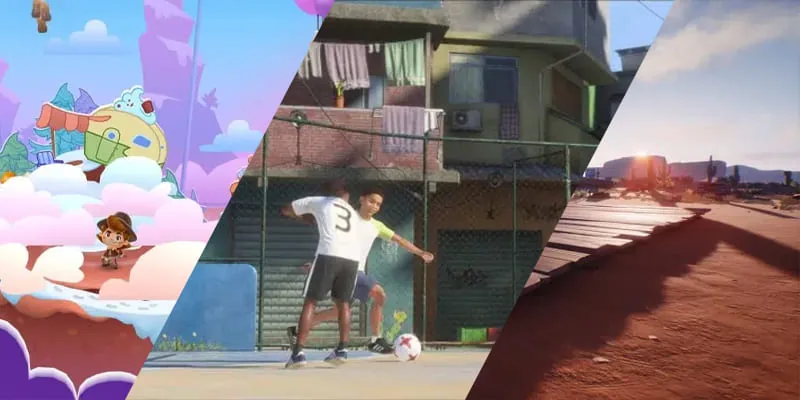
Games can be classified by genre, platform, game process structure, and others. Here are some of the main ways to classify games.
By genre:
- Shooter (Shooter) — games where the player controls a character and shoots enemies.
- Platformer (Platformer) — games where the player overcomes obstacles and jumps from platform to platform.
- Role-Playing Games (RPG) — games where the player controls a character, develops their skills, and makes choices that affect the plot.
- Strategy (Strategy) — games where the player manages resources and troops, builds bases, and plans tactics for victory.
- Puzzle (Puzzle) — games where the player solves logic puzzles and puzzles.
- Racing (Racing) — games where the player controls a vehicle and competes with other players or the computer.
- Simulation (Simulation) — games that simulate real processes or situations, such as flight simulators, farm simulators, etc.
- Horror (Horror) — games that create an atmosphere of horror and tension, where the player has to fight terrible creatures or survive in dangerous conditions.
By platform:
- Console games — games developed for consoles such as PlayStation, Xbox, and Nintendo Switch.
- PC games — games launched on personal computers.
- Mobile games — games developed for mobile devices (smartphones and tablets).
- Online games — games that are played via the Internet, including massively multiplayer online games (MMO).
By game process structure:
- Linear games — games with a clearly defined plot and sequence of tasks.
- Open worlds — games where the player is given freedom of action and exploration in a large open game world.
- Sandbox games — games where the player can create and change the game world at their discretion.
Realistic graphics
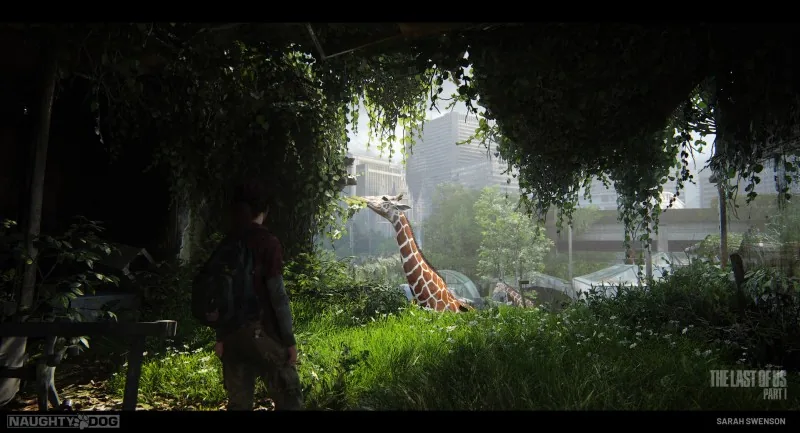
Games with realistic graphics strive for maximum approximation to the real world in visual representation. They usually have a high level of detail and use photorealistic textures and lighting effects. Examples: Uncharted 4: A Thief's End, The Last of Us. Part II.
Cartoon (Cel-shaded) style
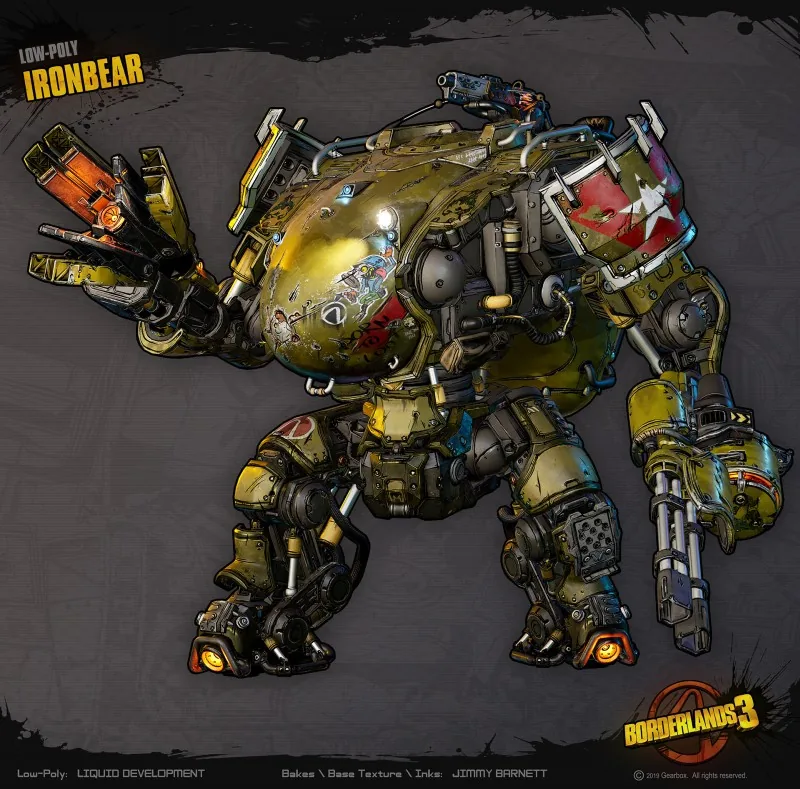
Games with a cardboard-style graphics have contours and color planes reminiscent of a stylized animated cartoon. This style is usually used to create colorful and vivid visual images. Examples: Borderlands, The Legend of Zelda: Breath of the Wild.
Pixel graphics
Pixel graphics games use an old-school style that takes us back to the aesthetics of retro games and arcades. This style is created using pixel elements, which gives games a special charm and nostalgic feel. Examples: Stardew Valley, Celeste.Animated style
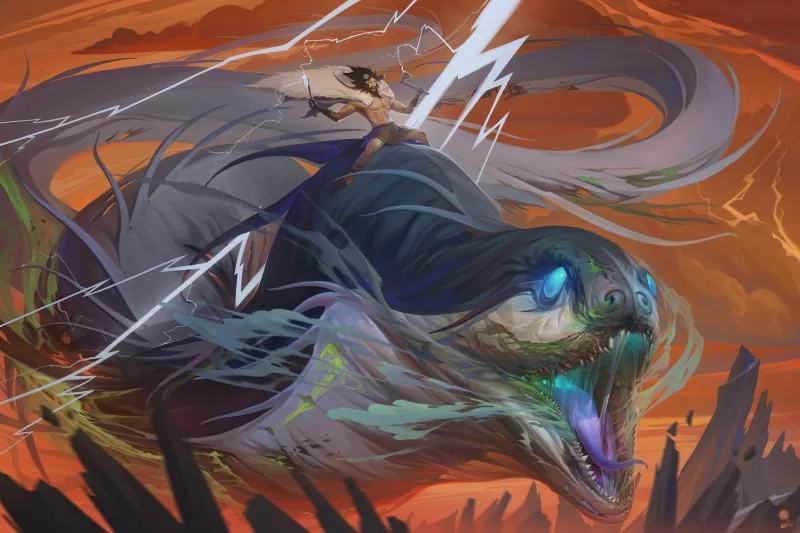
Games with an animated graphics style use a drawn animation resemblance with pronounced contour lines and bright colors. This style can be stylized or realistic, but usually has a high level of detail. Examples: Cuphead, The Banner Saga.
Vector graphics
Games with vector graphics use scalable vector objects instead of raster images. This style can have clear lines and simple shapes, making it suitable for animation and interactivity. Examples: Super Meat Boy, Geometry Dash.Photographic realism (Photorealism)
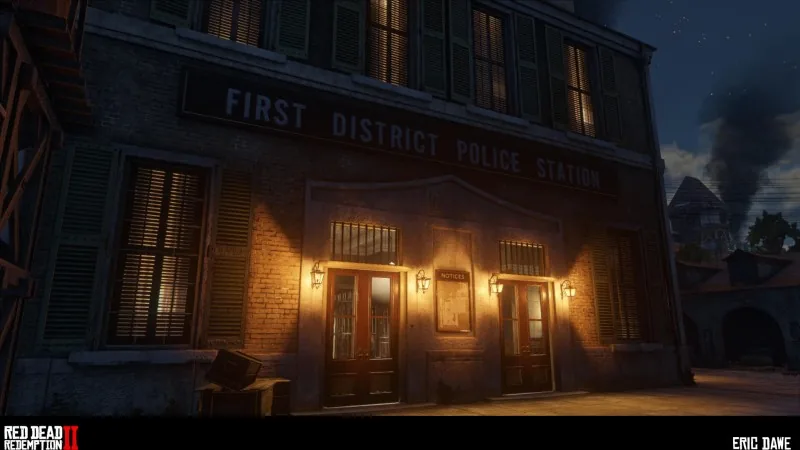
Games with photorealism strive to make the game world look like a real photographic image. This style requires a high level of detail and realism to create impressive and realistic visual effects. Examples: Microsoft Flight Simulator, Red Dead Redemption 2.
Cartoon graphics
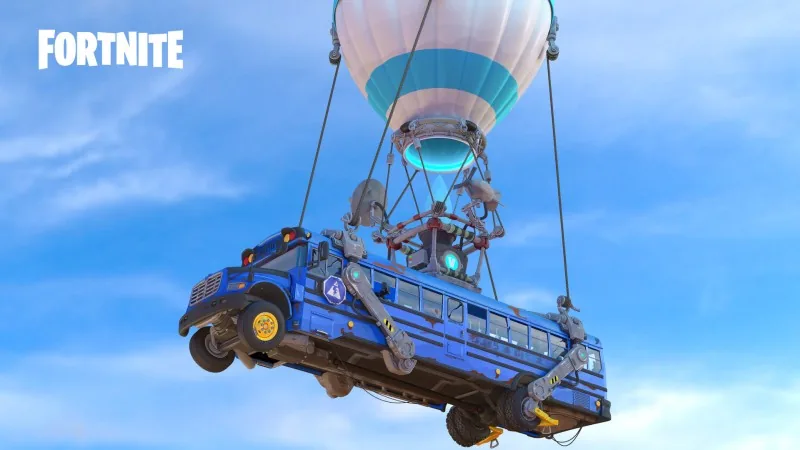
Games with cartoon graphics use exaggerated forms and bright colors to create a comic and fun visual style. This style is often associated with cartoons and comics. Examples: Team Fortress 2, Fortnite.
Steampunk
Steampunk-style games combine elements of technology and aesthetics of the XIX century with fantastic and science fiction motifs. They often have an industrial and mechanical look with the use of steam and gears. Examples: BioShock Infinite, Dishonored.
Cyberpunk
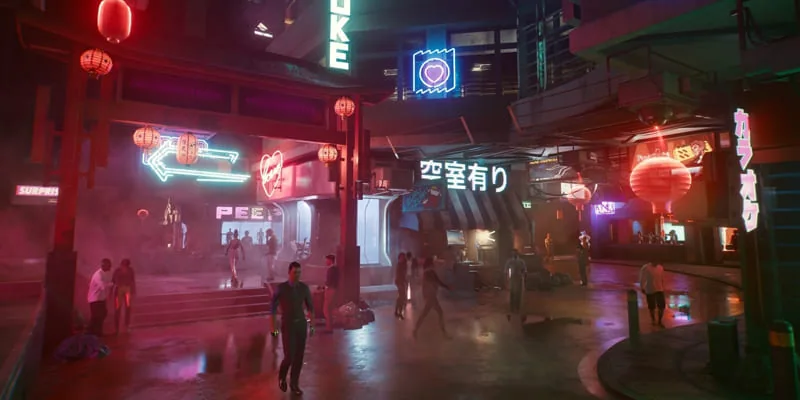
Cyberpunk-style games are characterized by futuristic technologies, cybernetic implants and urban landscapes with a high level of technological sophistication and social degradation. This style is often associated with night cityscapes and cyberspace. Examples: Deus Ex, Cyberpunk 2077.
Fantasy
Fantasy-style games are based on mythical and fantastic elements such as magic, dragons, elves and orcs. They often have a medieval atmosphere and fantasy worlds. Examples: The Elder Scrolls V: Skyrim, World of Warcraft.
Eastern graphics
Games in the Eastern graphics style are inspired by Eastern cultures such as Japan and China. They often have stylized anime characters, bright colors and impressive visual effects. Examples: Final Fantasy (series), Okami.Low-poly graphics
Games with low-poly graphics use simple geometric shapes and a minimalist style to create a unique visual image. This style can give the game an abstract or artistic look. Examples: Journey, Firewatch. Each of these graphics styles has its own characteristics and unique visual image, which can be attractive to different audiences and suitable for different types of games. The choice of graphics style often depends on the theme of the game, its mood and target audience.Game development training
For an artist who wants to learn game development, the first step is to determine the profession in this field that is most interesting and suitable for him.
After choosing a profession, you should assess your current skills and knowledge in this area. It is important to understand what skills you need to develop to become successful in your chosen profession. Then you can choose the appropriate training resources — courses, online lessons, books or practical exercises to deepen your knowledge and skills in the chosen field of game development.
For artists who want to explore game development, there are many specialized courses that will help to develop skills in creating graphics for games.
Here are some tips on how to start learning on courses for artists:
- Choose a specialized course on game art. Pay attention to the topics of the courses — concept art, character drawing, texturing, animation and special effects.
- Learn about software and tools. Make sure that the selected course covers the use of software and tools used in the game development industry. This may include drawing programs, 3D modeling, texturing and animation such as Adobe Photoshop, Autodesk Maya, Blender, ZBrush and others.
- Prepare to study the basic principles of drawing. Some courses start with the basics of drawing — composition, color theory, chiaroscuro and perspective. These principles can be key to creating attractive and expressive graphics for games.
- Get practical skills and experience. Many courses offer practical tasks and projects that will help you apply the knowledge you have acquired in practice. Practical experience and work on real projects will be the basis of your growth as an artist.
- Explore specialized topics. In addition to the basics, pay attention to specialized topics such as texture creation, character animation, concept art or visual effects creation — this will help you expand your skills and find your own direction in game development.
- Communicate with the community and participate in discussions. Join online communities of artists and game developers where you can share your work, get feedback and communicate with like-minded people. Exchanging experience and knowledge with other members of the community can be very valuable for your development.
GameDev and money
Let's look at different options how artists in game development can make money:
- Creating graphics for sale. Artists can create and sell their works directly through various online platforms for artists such as ArtStation, DeviantArt or Etsy. These can be illustrations, concept art, textures or other works that will be used in games or other projects.
- Freelance. Many artists work freelance, providing graphic design services for game projects. They can work on commission for small indie studios or be part of a game development team, creating illustrations, animations or other graphic elements.
- Participation in crowdfunding projects. Artists can also join game projects on crowdfunding platforms such as Kickstarter or Patreon, creating exclusive illustrations or other bonuses for those who support the project.
- Selling the rights to use the graphics. Artists can make money by selling the rights to use their graphics for games or other projects. This may include licensing graphic resources, textures or other elements that can be used by different developers.
- Training and consulting. Artists with experience and skills in game development can provide training and consulting services for aspiring artists or students who want to master the graphic side of game development.
- Creating personal projects. Some artists create their own games or game projects in which they are the authors of the graphic content. After completing the project, they can earn money by selling it or by subscription.
Work in the gaming industry
Work in the gaming industry can provide many opportunities for professional growth and creative development.
Here are some major gaming companies with examples of their famous games:
Nintendo is known for its game consoles such as Nintendo Switch, and game series such as Super Mario, The Legend of Zelda and Pokémon.
Sony Interactive Entertainment is the publisher of PlayStation and the creator of franchises Uncharted, God of War, The Last of Us, and Gran Turismo.
Microsoft Studios (now Xbox Game Studios) are known for their Xbox exclusives: Halo, Gears of War, Forza Motorsport and Minecraft.
Electronic Arts (EA) is one of the largest game publishers in the world and has franchises such as FIFA, Madden NFL, Battlefield, and The Sims in its arsenal.
Activision Blizzard is known for games such as Call of Duty, World of Warcraft, Diablo, Overwatch and Hearthstone.
Ubisoft is a well-known French developer and publisher of games with franchises Assassin's Creed, Far Cry, Watch Dogs and Tom Clancy's series.
Square Enix is known for its Japanese role-playing games Final Fantasy, Kingdom Hearts and Dragon Quest, as well as the Tomb Raider and Deus Ex series.
CD Projekt Red is a Polish game developer that became popular after creating The Witcher and Cyberpunk 2077 games.
And these are Russian game development companies:
Gaijin Entertainment is known for its game War Thunder, an online multiplayer military simulator, as well as Crossout and Star Conflict games.
Nival is one of the oldest game developers in Russia and is known for the games in the Heroes of Might and Magic series, Blitzkrieg, and Prime World.
Mail.ru Group owns game studios My.com and Pixonic. They are known for the games World of Tanks, Warface and War Robots.
Wargaming, founded in Belarus, has a Russian division and is known for its game World of Tanks, as well as World of Warships and World of Warplanes.
GSC Game World is known for its game S.T.A.L.K.E.R.: Shadow of Chernobyl, a post-apocalyptic first-person shooter, as well as Fort Zombie and Cossacks.
Ice-Pick Lodge is an independent studio that developed the unusual and art-oriented game Pathologic, as well as The Void and Knock-Knock.
1C Company is a publisher and developer of games, including the King's Bounty series, Men of War, and IL-2 Sturmovik.
ZeptoLab is the creator of the popular Cut the Rope, King of Thieves and CATS: Crash Arena Turbo Stars game series.
Owl Studio created the game The Uncertain: Last Quiet Day, an adventure quest in an alternative reality where players explore a world populated by robots.
Evolution of the gaming industry
The evolution of the gaming industry has been an exciting and dynamic process that has undergone significant changes over decades. Here are some key stages of this evolution:
- Early Games (1950-1960s). The gaming industry began its journey with simple arcade games such as Pong and Space Invaders. The games were primitive in graphics and mechanics and were usually only available in arcades.
- Home Consoles and Personal Computers (1970-1980s). In 1972, the Atari gaming console appeared, followed by the Nintendo Entertainment System and Sega Genesis – this opened up new opportunities for players to play at home. At the same time, personal computers were developing, becoming more and more accessible and allowing developers to create more complex games.
- 3D Graphics and CD Discs (1990s). In the 1990s, there was a significant shift towards 3D graphics and the use of CD discs to store game content – this made it possible to create more realistic and in-depth games such as Doom, Quake and Final Fantasy VII.
- Internet and Multiplayer Games (2000s). With the development of the Internet, multiplayer online games such as World of Warcraft and Counter-Strike appeared, attracting a huge number of players from all over the world. This also contributed to the development of the mobile games market.
- Mobile Games and Market Growth (2010s). With the advent of smartphones, the gaming industry experienced a new surge in growth thanks to mobile games. Games such as Angry Birds, Candy Crush Saga and Clash of Clans became global phenomena and attracted a huge audience.
- Virtual Reality and Augmented Reality (late 2010s – early 2020s). Virtual and augmented reality represent a new stage in the evolution of the gaming industry, opening up unique opportunities for creating innovative gaming experiences.
Useful video «The Path to the GameDev Industry from Scratch to Co-Founder»
Related materials
How to become a 3D artist in game development
January 17, 20240
How to get the most out of Skills Up School courses?
September 18, 20230
Frontal perspective in drawing
October 1, 20250

Statics and dynamics in drawing: creating mood and movement
March 24, 20250
About color and light in simple language: a comprehensive guide
March 21, 20250
The artist's dictionary: your guide in the world of creativity
March 18, 20250