
ArticleUpdated: September 6, 2026
Stylization in drawing
In short
Stylisation simplifies and exaggerates form for the sake of expression. The work goes through primitives — sphere, cube, cylinder, cone: assemble the object from them first, then complicate. Separately, stylising anatomy, the character of forms and how far to push the detail.

Skills Up School
Online school of drawing and CG
What is stylization?
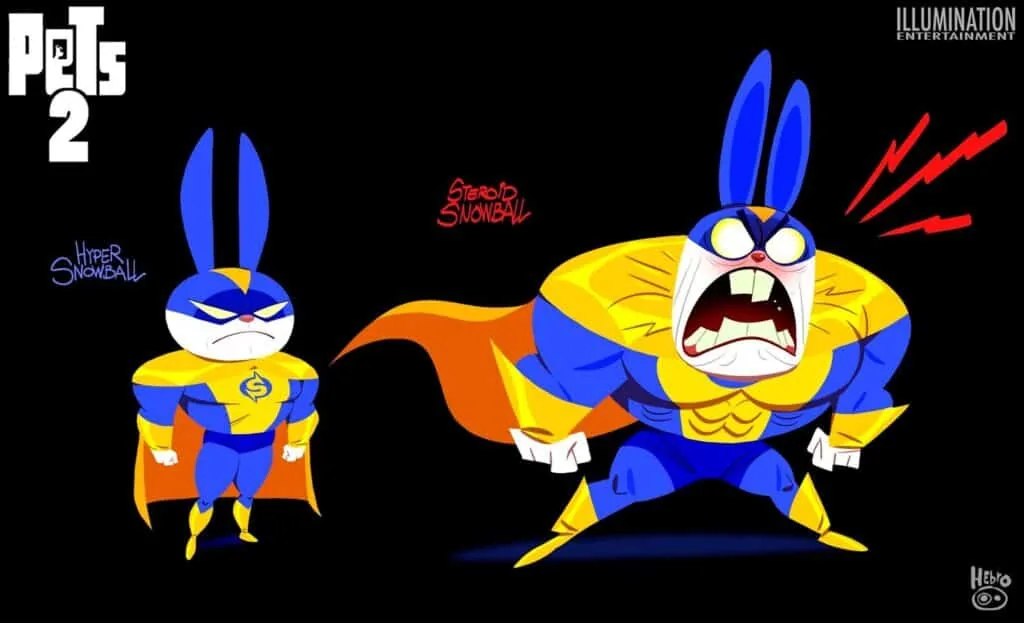
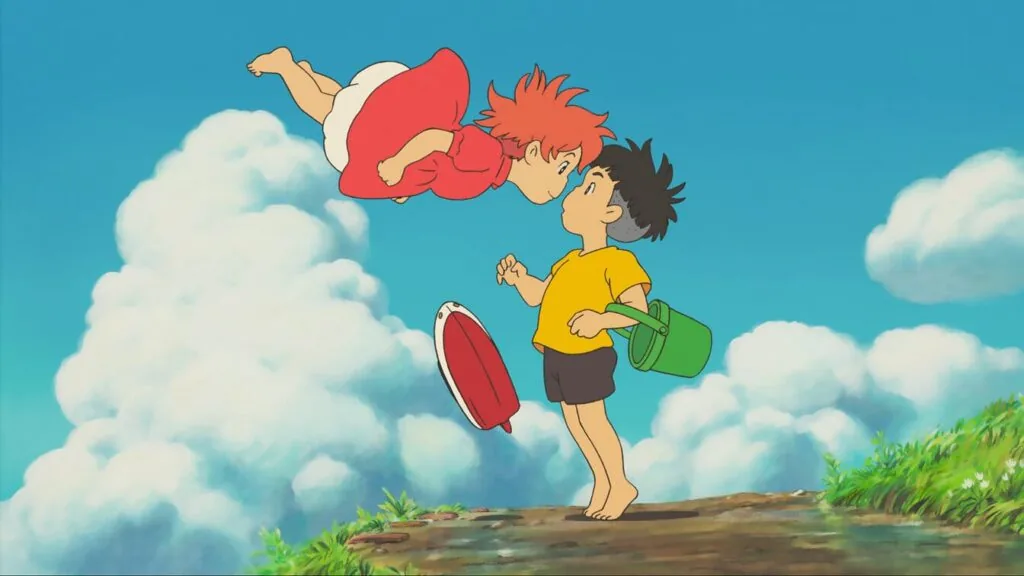
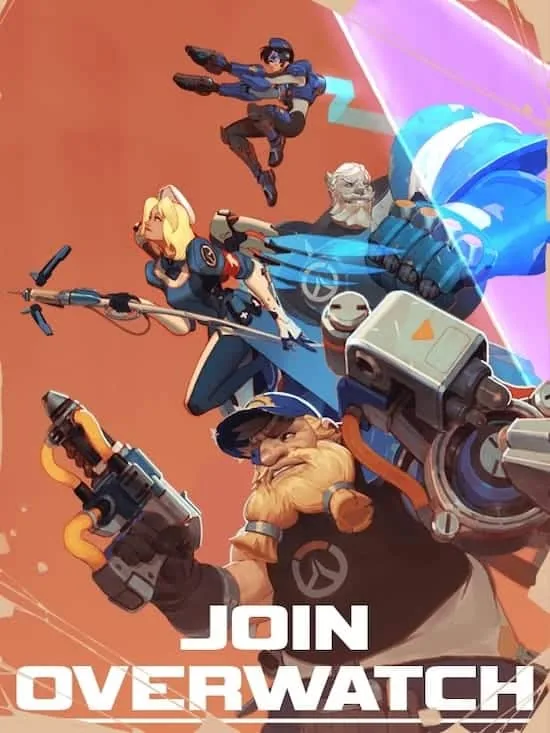
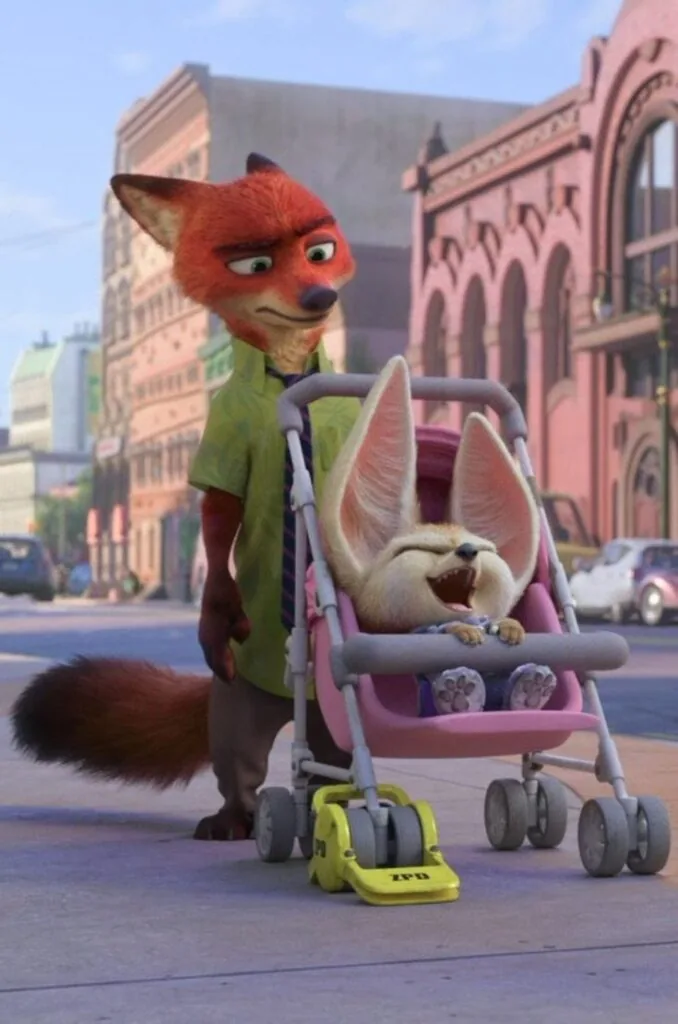
Stylization is the art of transforming objects to reveal their expressiveness and character. This process allows an artist to express their vision through simplification or hyperbolization of the object and its elements, to emphasize its necessary qualities and make the work original. Stylization can be applied in any form of art, from classical painting and illustration to 3D modeling and animation. The main goal is to make the viewer read the emotion and character of the object or character at a glance. Example: In Disney animation, stylization is used to create expressive characters, where shapes are exaggerated and colors are simplified to emphasize emotions and plot.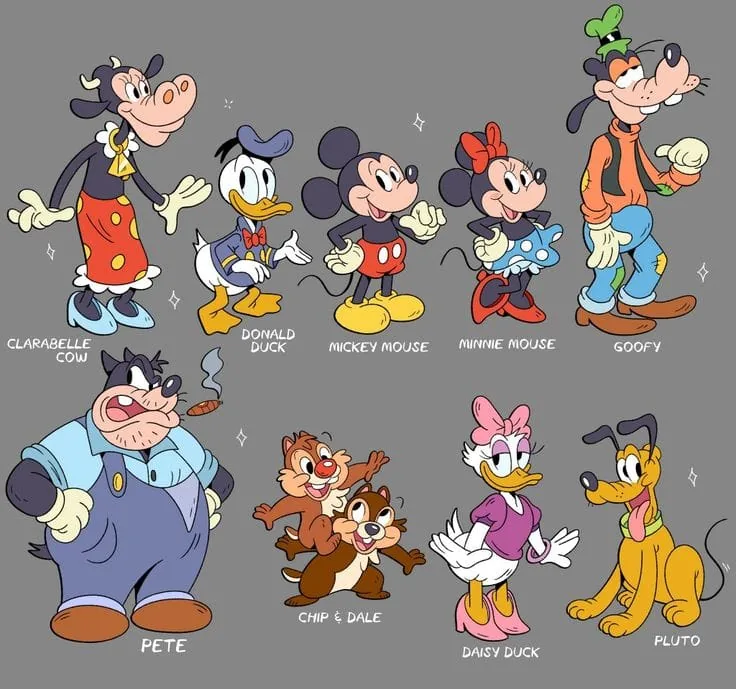
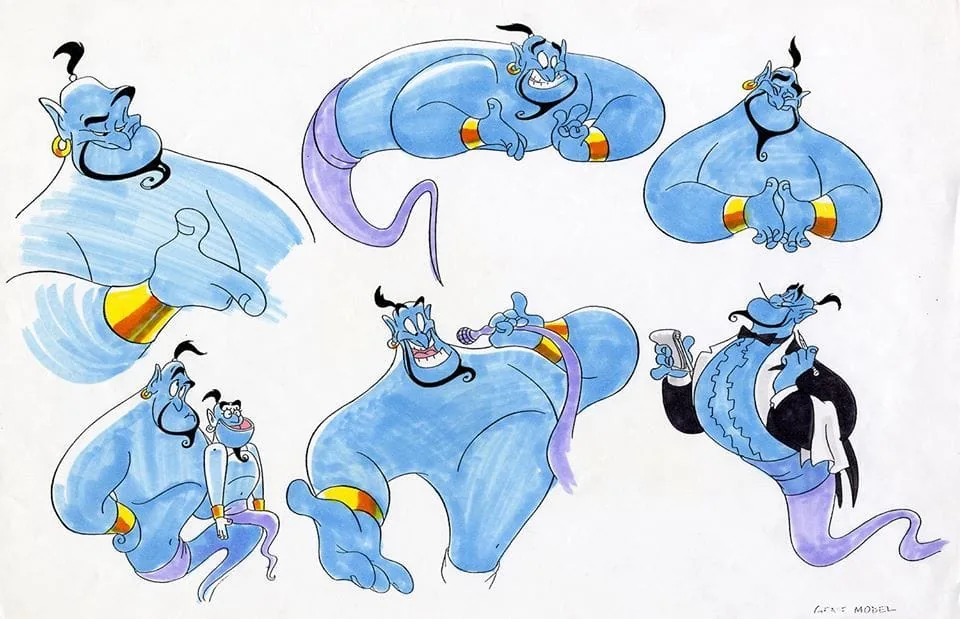
Main tasks of stylization
Stylization performs several key tasks:- Enhancing emotional contrast: allows the artist to express emotions and give character to objects and characters.
- Aesthetic impact: simplification and abstraction of forms make images visually appealing.
- Emphasis on culture and era: stylization helps to convey the characteristic atmosphere of time or place.
- Improving readability: stylization simplifies the perception of complex objects, which is especially important in animation and games.
- Creating a unique style: helps the artist to stand out and form their artistic identity.
Primitives. What are they and how to use them.
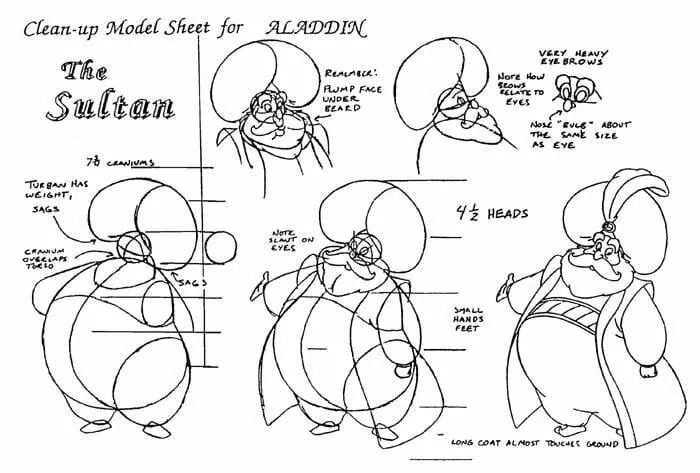
Primitives are basic forms on which the entire silhouette of the object and its internal elements are built. Primitives help to simplify the process of creating a complex object. They also serve to reveal the character and dynamics of the form.Main types of primitives: sphere (circle), cube (square), cylinder (rectangle), cone or pyramid (triangle).
Example: Before drawing a complex character, start with basic primitives, adding details step by step. This will help to maintain the correct proportions and perspective.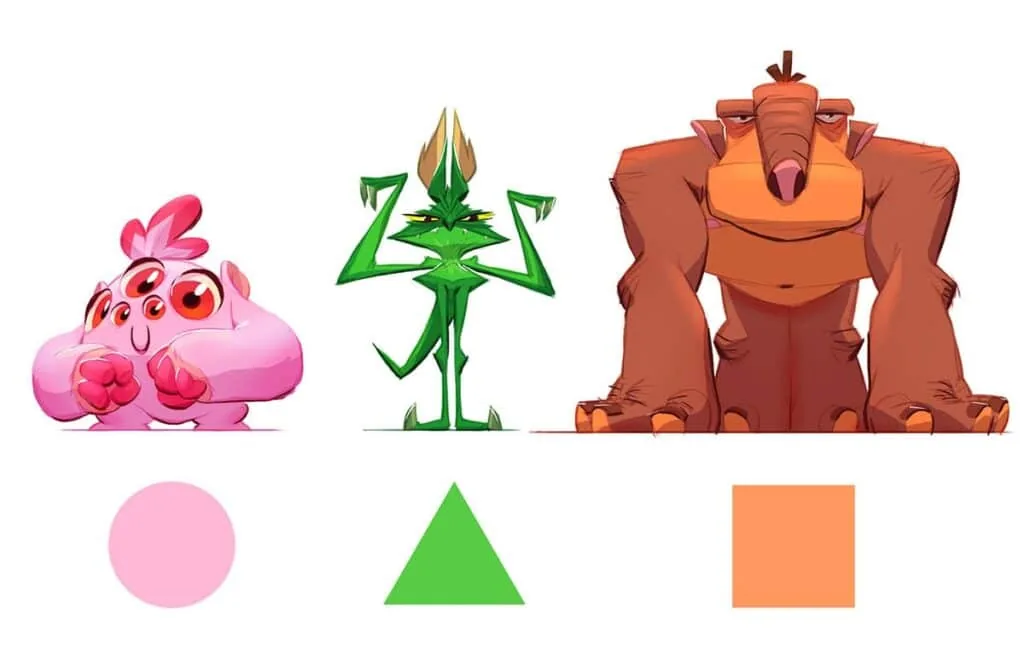
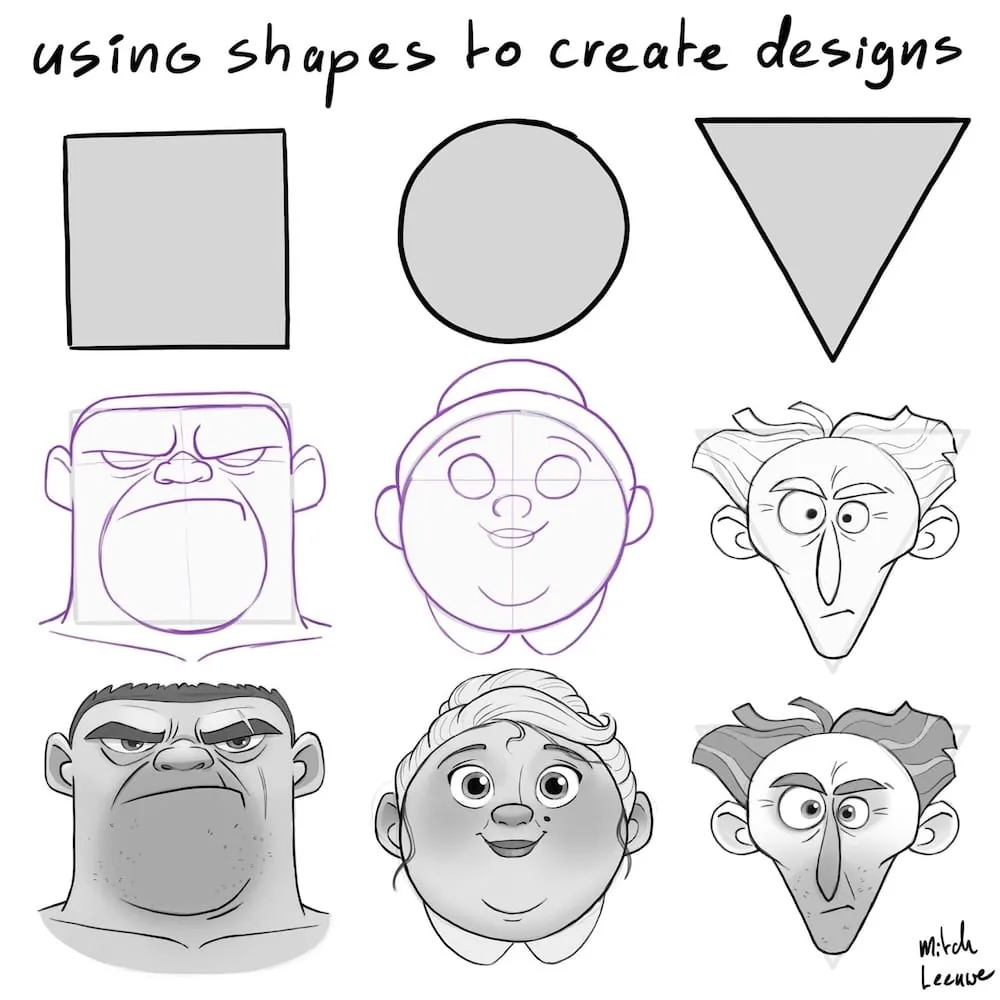
From simple to complex
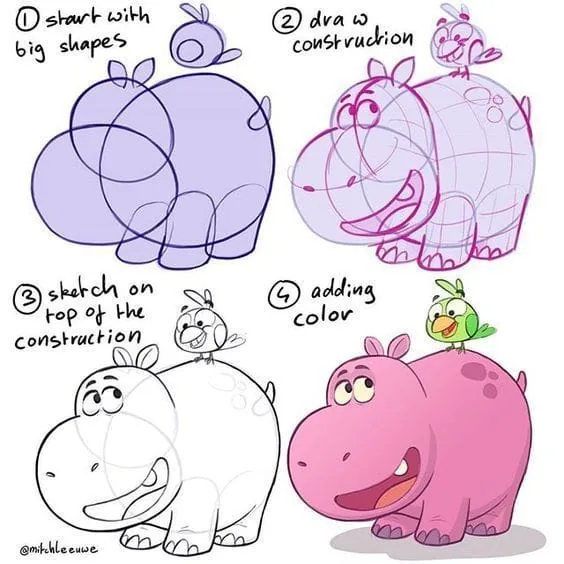
One of the main principles of stylization is working from general to particular. This means that first the basic forms are created, which are then refined and complicated. How to do it:- Create a base: start with simple geometric shapes.
- Add divisions inside the shape: use horizontal lines or the same primitives inside the overall silhouette to determine proportions and balance between the forms inside.
- Work with details: gradually add small elements.
Related courses
All courses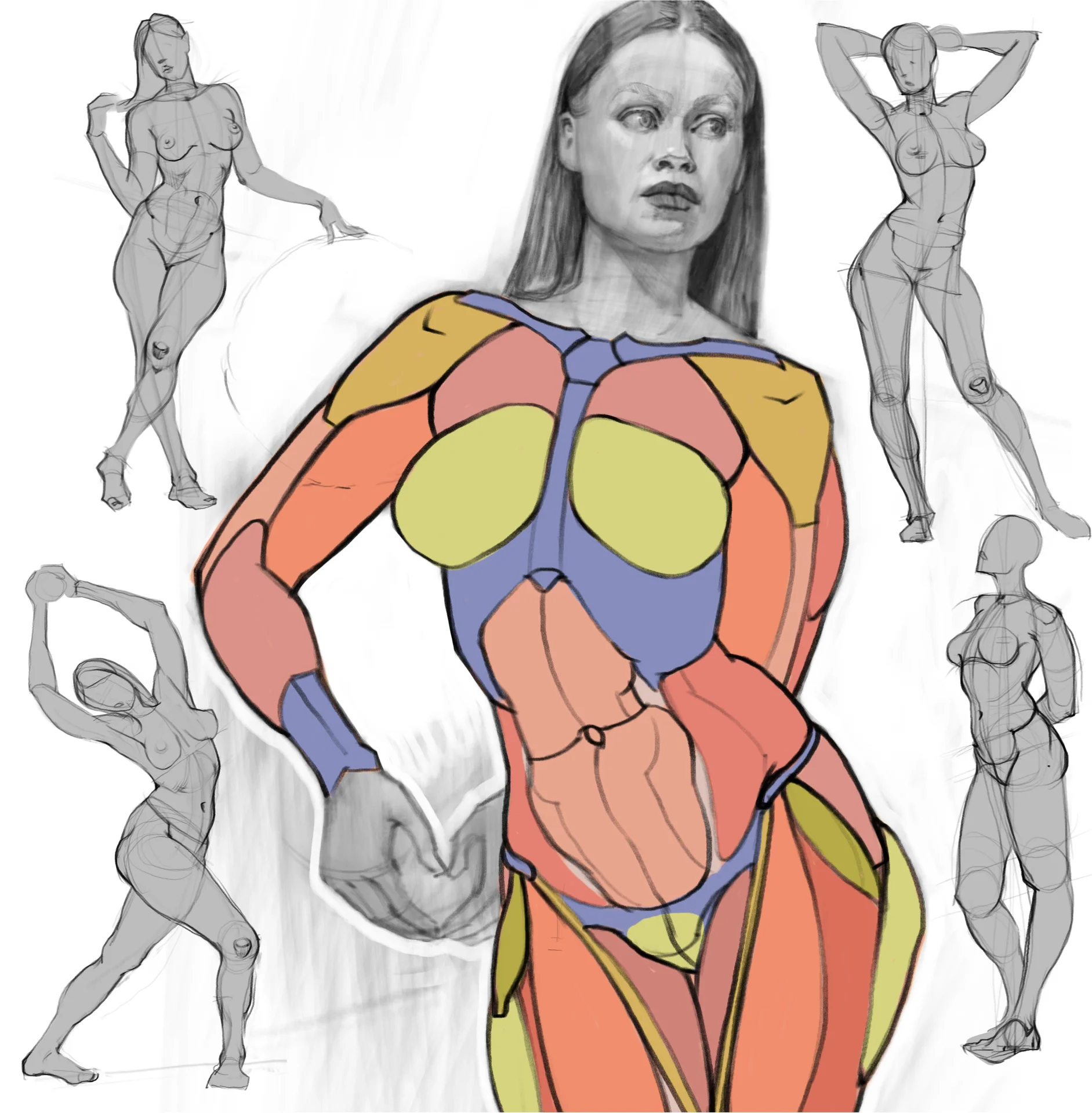
from 3 750 ₽
-25%
My first figure
5 000 ₽3 750 ₽
Learn more

from 4 950 ₽
-45%
Book illustration: The first page
9 000 ₽4 950 ₽
Learn more
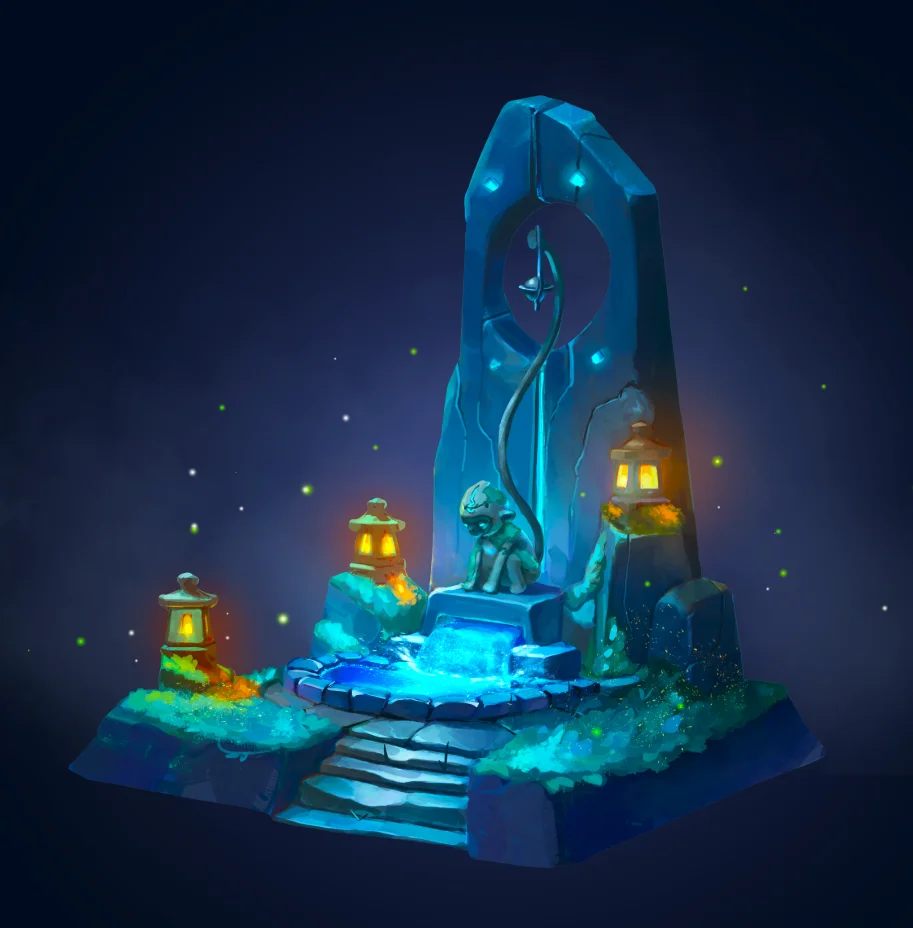
from 4 950 ₽
-45%
Prop concept: render and atmosphere
9 000 ₽4 950 ₽
Learn more
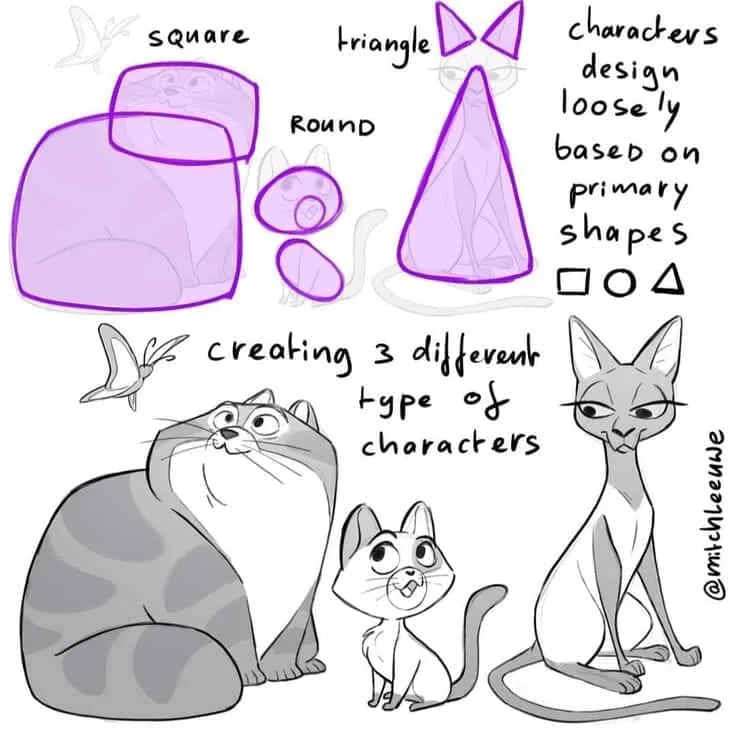
Example: When drawing an animal, start with circles or ovals for the body, head and paws, and then add details such as eyes, fur pattern.
Stylization of anatomy
Stylization of anatomy is the process of simplifying and exaggerating the human or animal form to emphasize characteristic features and make the image more expressive.Main approaches:
- Simplification: remove unnecessary details while preserving the main proportions.
- Distortion: enlarge or reduce certain parts of the body to create dynamics, statics, drama.
- Psychology: focus on the unique traits of the character's character.
Character of forms
Form plays a key role in stylization, as it determines how the viewer perceives the object.- Round forms: associated with kindness, warmth and security. Used for child characters or friendly animals.
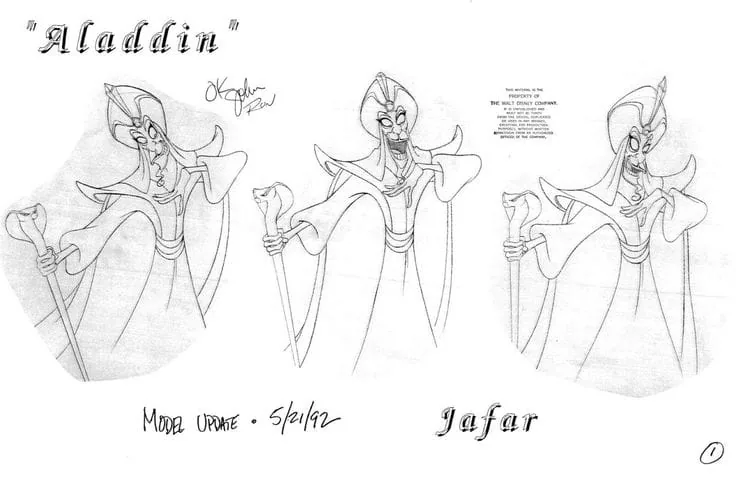
- Triangular forms: convey strength, danger and dynamics. Perfect for villains.
- Square forms: Stability, reliability.
- Asymmetry: adds interest and liveliness to the image, revealing different sides of its character. Asymmetry combines the above forms within one character or object.
Degree of detail and render
The level of detail depends on the purpose of the work:- Minimal render is used in 2D animation or comics, where it is important to repeat the character and object frame by frame.
- Medium or full render degree is used when creating illustrations, concept art, promotional graphics or in the gaming industry.
- In 2D cartoons, the forms of moving objects are often simplified, and textures and shadows are kept to a minimum, this is due to the process of their creation, especially this касается покадровой animation.
- In the gaming and film industry, characters have stylized forms, but often have very detailed and volumetric textures. This is due to the use of 3D modeling and animation technologies.
Using color in stylization
Color in stylization plays an important role, helping to convey emotions and create an atmosphere.Tips for working with color:
- It is better not to use more than three main colors in one object.
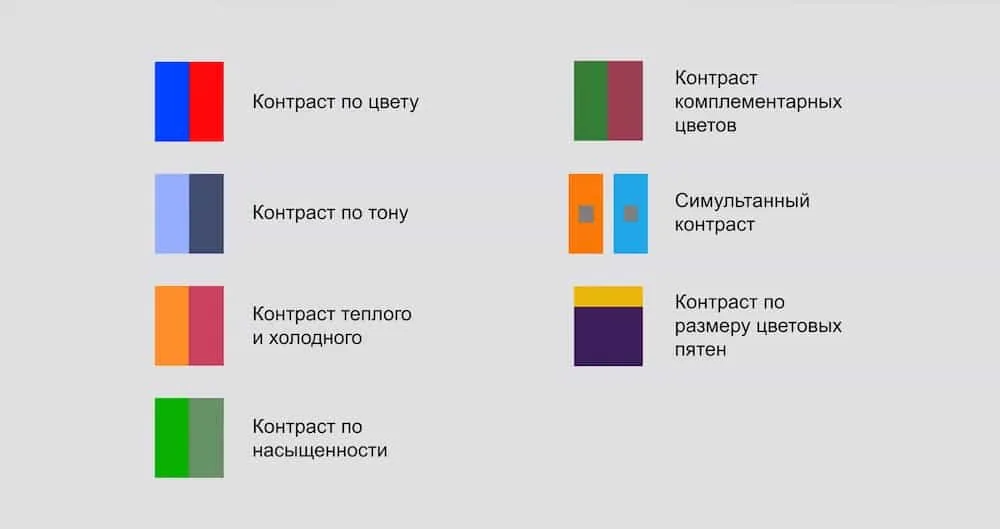
- It is necessary to monitor the balance of the size of color spots in the work.
- Select a palette that matches the mood of the scene. Bright, light shades are suitable for positive characters, dark and dramatic combinations for villains.
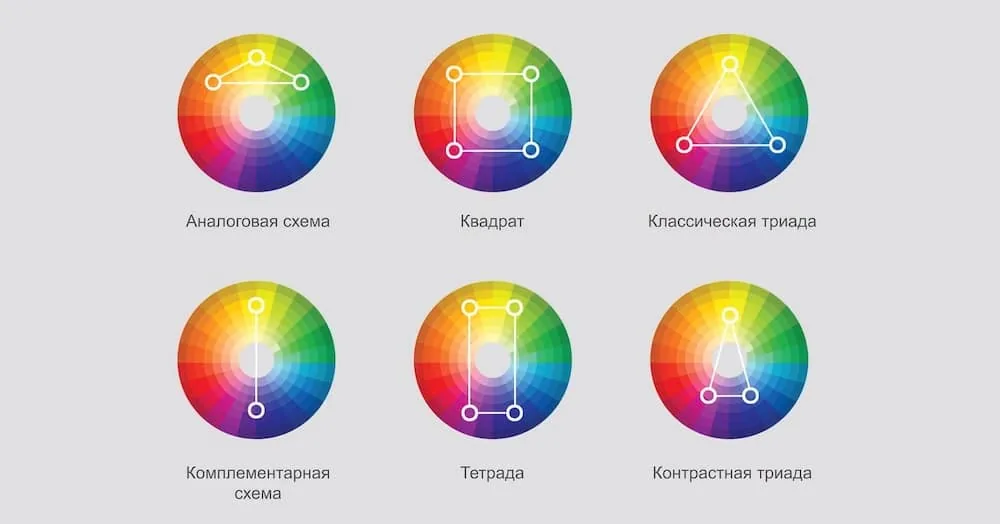
- It is better to conduct color selection using a color wheel. Adjacent shades lie next to each other, contrasting shades are opposite each other.
Practical tips for beginning artists
- Start by selecting references, study the works of other artists, it is very important to have an observation base.
- Use primitives to create the silhouette of an object.
- Experiment with shapes and proportions.
- Constantly practice, trying different styles.
How to learn to stylize a female portrait?
Stylization is a powerful tool for creating unique and expressive images. If you want to apply the knowledge you have gained in practice, we invite you to our lesson «How to draw a stylized female portrait». At the lesson you will learn:- How to simplify forms while maintaining expressiveness.
- Techniques of working with color and accents.
- Stages of creating a stylized portrait from idea to final render.
Related materials
Article
Frontal perspective in drawing
October 1, 2025
Article
Where is applied drawing used?
September 18, 2023
Article
Statics and dynamics in drawing: creating mood and movement
March 24, 2025
Article
All about brushes in digital drawing
February 13, 2025
Article
Texture and finish in the drawing
November 15, 2024
Tutorial
Chiaroscuro in drawing
December 17, 2024