Press ESC to close

47 articles

Articles for artists

Breakdowns from the school curators: composition and perspective, colour theory, proportions, stylisation. And separately on the profession — how to build an ArtStation portfolio, what art directors ask at interviews and what an artist actually does at a game studio.

Concept artist: overview of the profession

Concept artist: overview of the profession

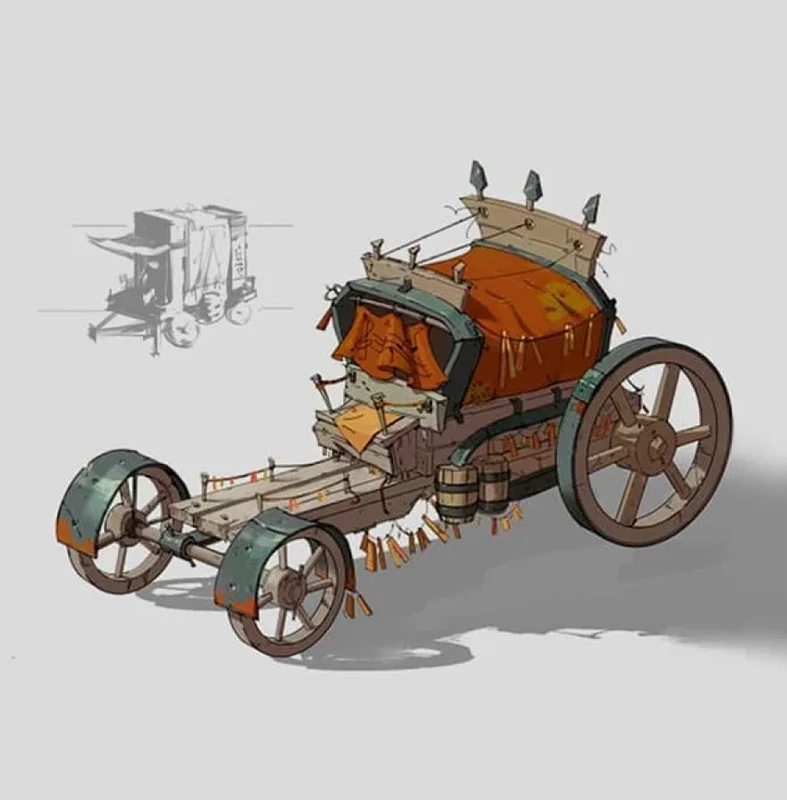
A concept artist invents the look of a game at the early stages — characters and their gear, environments, key art. Tatiana Nazhimova went from junior to art director and explains how concept differs from illustration, what you need to be able to do and what the pay is.

September 6, 202632.5K6 min
Linear perspective: what it is and why it is needed

Linear perspective: what it is and why it is needed

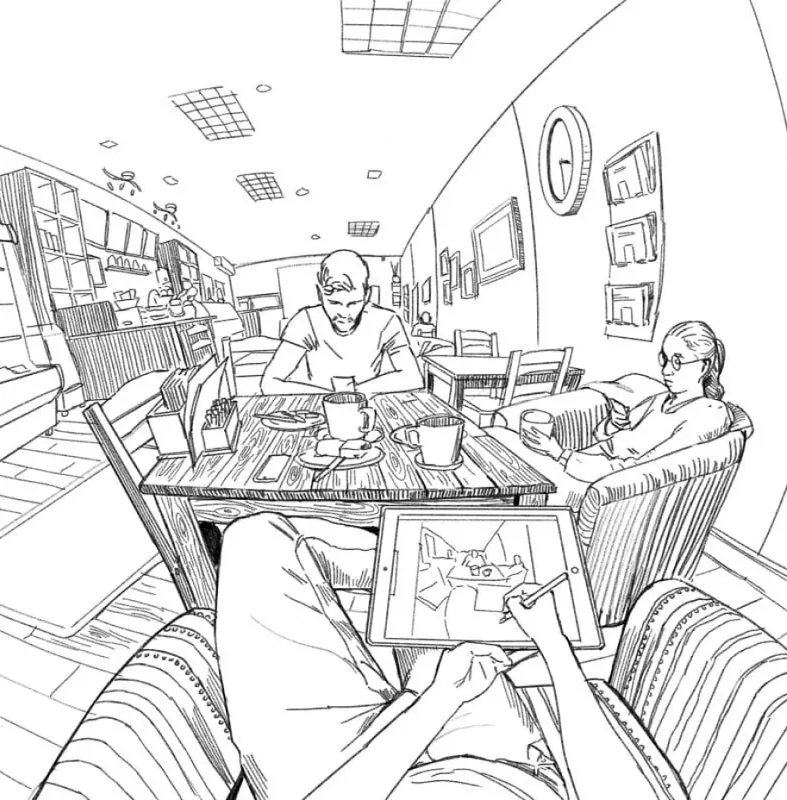
Linear perspective is built on vanishing points: one gives a frontal view, two an angled one, three a view from above or below. A cube shows the construction for each case and where to place the horizon line. There is also what linear perspective cannot convey.

September 6, 202656.8K10 min
Composition in the drawing

Composition in the drawing

Composition is the arrangement on the page of everything we see: lines, shapes, figures, light. Some areas pull the eye, others give it rest, and the work holds on the balance between them. Types of composition, the focal point, movement and unity, the rule of thirds — across 45 illustrations.

September 6, 202658.6K16 min
Who is a 2D artist, what is this profession?

Who is a 2D artist, what is this profession?

Tatiana Nazhimova looks at the 2D artist role from the hiring side. Which disciplines make up 2D art, what job ads at Lesta Games, Playneta and LST actually ask for, the minimum skill set for a first job and what the salary depends on.

September 6, 202637K10 min
How to become a 3D artist in game development

How to become a 3D artist in game development

Ladislava Klyarovskaya walks the whole path of a 3D artist: choosing a direction and a style, the hard and soft skills you need, what to put in a portfolio and in what order, what the pay looks like, how to handle a test task and what to do with rejections.

September 6, 202633K19 min
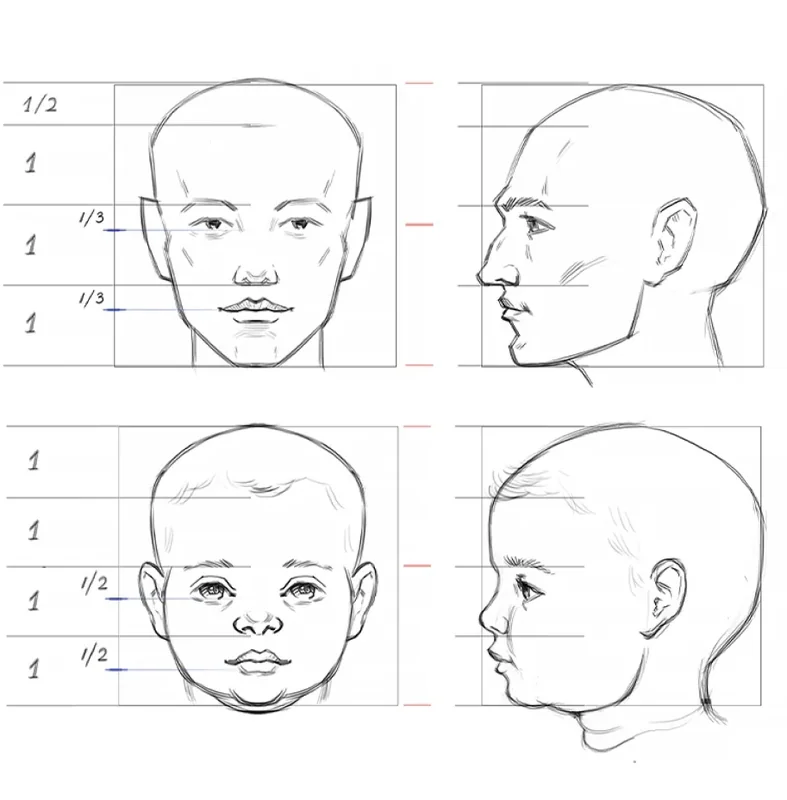
Drawing faces of people of different ages

Drawing faces of people of different ages

The reference point is an adult face of 20 to 40: from twenty the proportions of the skull no longer change. Other ages are counted from there. A child has a larger cranium and a smaller face; in an older person the soft tissue changes, not the bone. Anton Korostov works through four portraits.

September 6, 202636.4K9 min
Academic drawing: from the first steps to mastery

Academic drawing: from the first steps to mastery

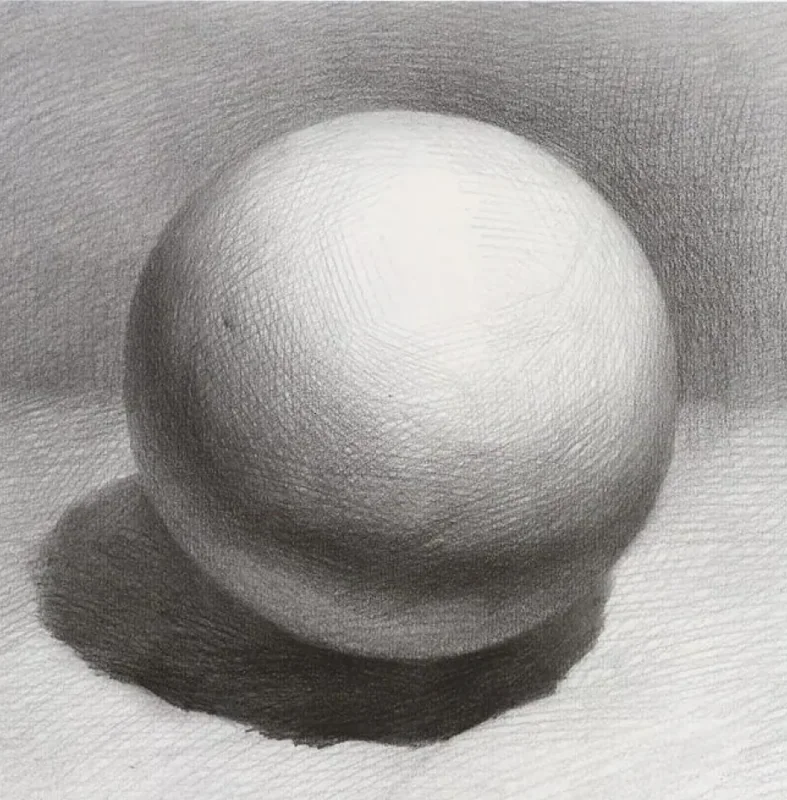
Volume and surface here are carried by line, hatching and light and shade. Academic drawing is learned in two passes: first the constructive stage with construction, proportion and perspective, then the tonal one. For a digital artist it gives form that holds up from any angle.

September 6, 202648.1K8 min
References for the artist: arm references. Part 1

References for the artist: arm references. Part 1

A set of hand references with a note on what to look for in each: construction and anatomy, the plasticity of the forms, how precise the modelling is, how a gesture carries emotion. Copying here is allowed and encouraged: it fixes the anatomy and sharpens attention.

September 6, 202637.8K2 min
5 tips for a budding environmental artist

5 tips for a budding environmental artist

An environment artist builds a place, not a pile of objects. Alexandra Tarnavskaya suggests starting from the question of what the image is for, leading the eye with guidelines, keeping the climate of the location in mind and checking the composition in black and white at the end.

September 6, 202617.5K3 min